

Designing Packaging for Small Products: Challenges and Solutions
Designing packaging for small products may seem simple at first glance, but it requires more skill, precision, and innovation than many people realize. Unlike larger items, small products offer limited surface area for branding, instructions, regulatory information, and visual appeal. Packaging designers must simultaneously balance practicality, protection, and aesthetics—while ensuring the product remains easy to identify and showcases the brand’s personality. For industries such as cosmetics, personal care, consumer electronics accessories, and pharmaceuticals, small-format packaging has become a crucial part of the customer experience. The first challenge begins with space. Small boxes provide far less room for essential messaging. Brand elements such as logos, typography, usage instructions, safety labels, barcodes, and ingredient lists must all fit within tight constraints without feeling cramped or unreadable. This is especially demanding for companies that sell through online marketplaces or export globally, where multilingual approaches add even more content. Successful packaging design requires careful hierarchy planning: the most important information must be prioritized, while supporting details are structured clearly and legibly.
Protection is another major concern. Smaller products are often more delicate, more easily misplaced, or prone to being crushed during transport. A box may look strong enough on a desk, but supply chain conditions introduce compression, vibration, dropping, and stacking pressure. Designers must compensate for the product’s vulnerability by adding structural features such as reinforced paperboard, internal cradles, or inserts to hold the item securely. In e-commerce, where a single package may face dozens of handovers, structural resilience becomes even more critical. Brand visibility also poses a unique challenge. On a retail shelf or digital storefront, small packages compete alongside larger, louder boxes that naturally command more attention. Without smart design strategy, a small product could disappear visually. This makes bold color palettes, distinctive graphics, and creative finishing techniques extremely powerful tools. Embossing, spot UV, soft-touch coatings, foils, and high-contrast visuals help small boxes stand out—and remind shoppers that premium value can come in compact form.
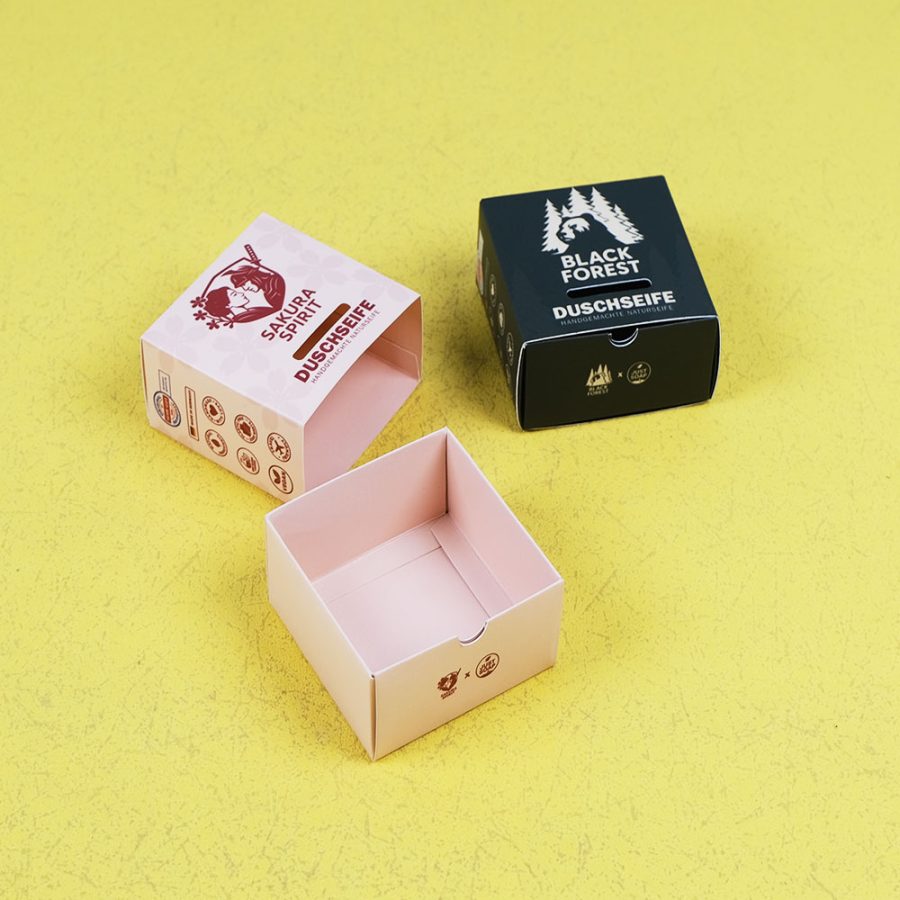
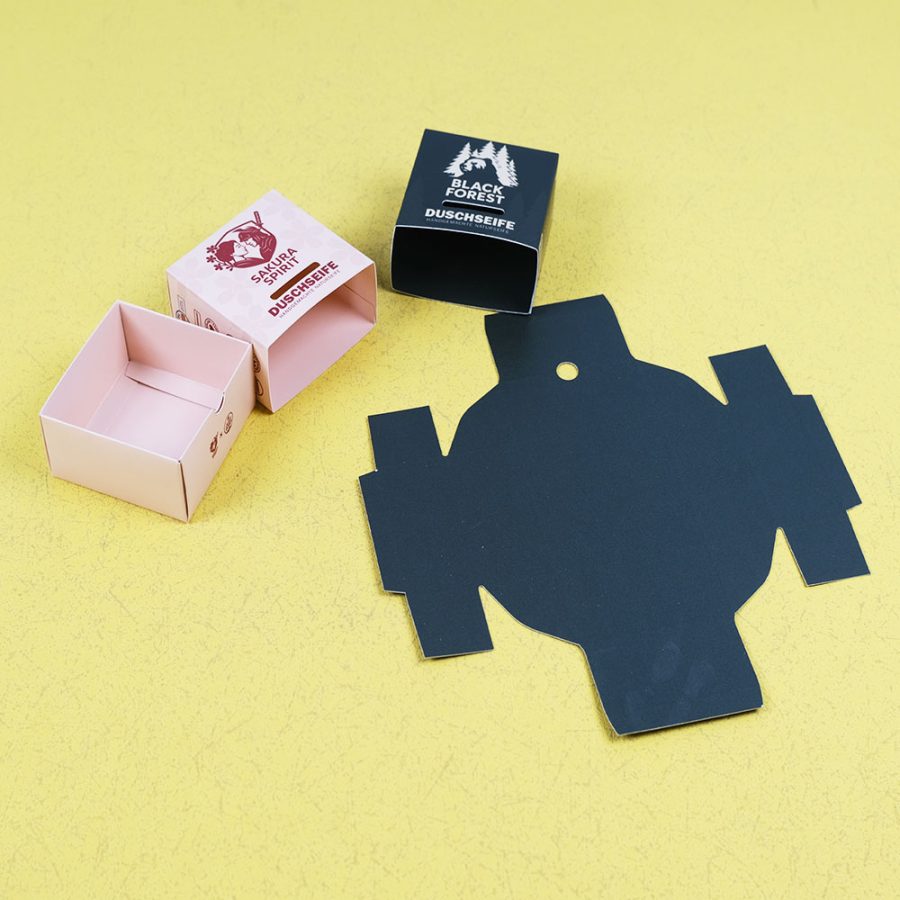
Efficiency becomes essential when designing packaging for high-volume small products. These items are often produced and shipped in large quantities, meaning packaging must support fast packing, efficient logistics, and consistent quality without slowing down production lines. Smart dieline engineering ensures that boxes are easy to fold, glue, and assemble while minimizing waste. Slight adjustments to shape or flap layout can significantly reduce labor time and material usage, resulting in operational savings across thousands of units. Sustainability has become a priority for brands of all sizes, and small packaging must also meet rising expectations for eco-friendly materials. Since smaller products are often purchased in multiples or as part of a larger assortment, packaging waste accumulates quickly. Choosing FSC-certified paperboard, reducing unnecessary layers, and optimizing structure contribute to greener solutions without compromising protection or presentation. Water-based inks, recyclable coatings, and mono-material designs further support responsible manufacturing.
Unboxing experience remains just as important for small-format packaging as for large products. Customers today expect thoughtful detail—even in a tiny carton. When opening a small box reveals a clean interior print, unexpected texture, or a simple brand message, it leaves a positive and memorable impression. These subtle touches elevate perceived value and reinforce brand personality. For direct-to-consumer brands, particularly in beauty and lifestyle categories, every second of the unboxing journey matters. Ultimately, packaging for small products demands strategic thinking, technical know-how, and a creative touch. Designers must transform limited canvas space into a powerful storytelling platform while protecting the product and supporting fast-moving supply chains. With the right mix of smart layout, premium finishing, structural reinforcement, and sustainable material choices, even the smallest box can make a big impact. Brands that master compact packaging design send a meaningful message to customers: great things not only come in small packages—they can surprise, delight, and inspire from the very first glance.