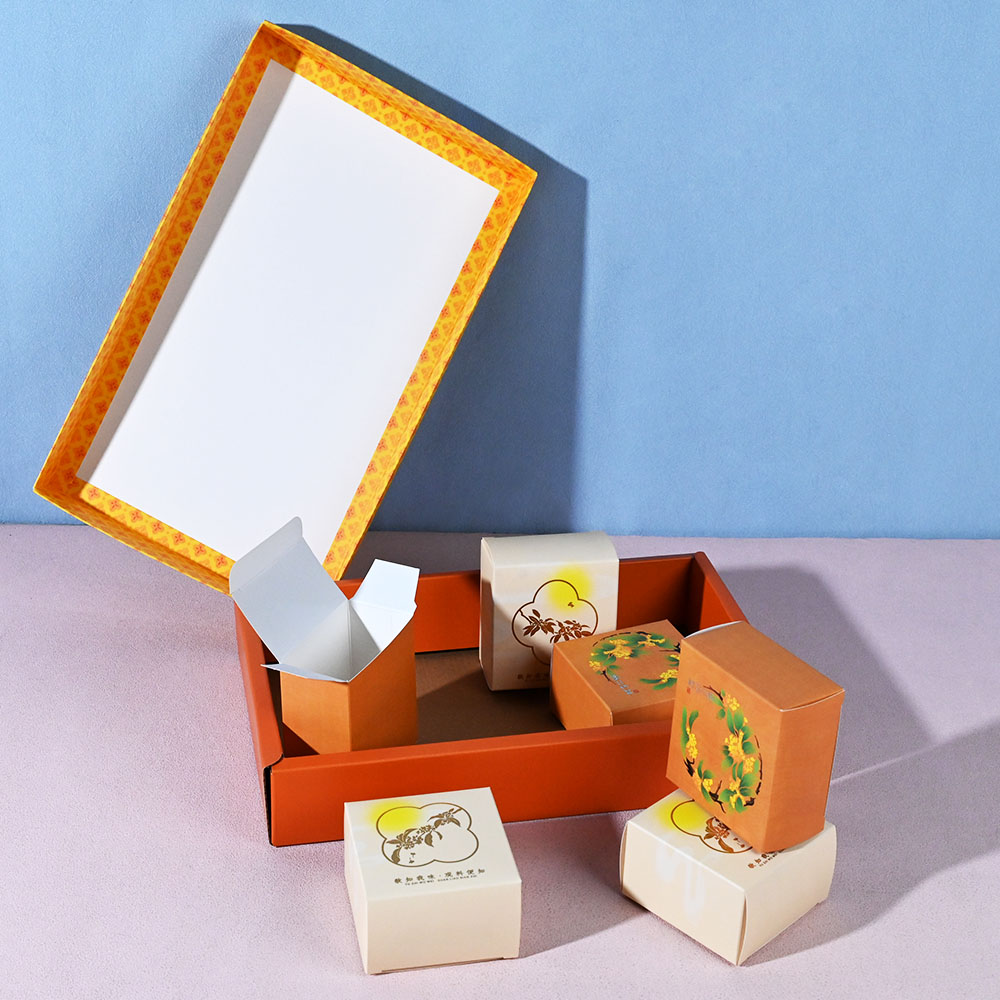


Why Packaging Failures Often Begin Before Printing Starts
When packaging problems occur, many people immediately assume that the printing process is to blame. They may point to color inconsistencies, blurred graphics, or production defects as the primary cause of failure. However, in many cases, packaging issues begin long before the first sheet enters the printing press. Decisions made during planning, design, material selection, and engineering often determine whether a packaging project succeeds or encounters costly delays and quality problems. Understanding these early-stage factors can help brands avoid unnecessary expenses and achieve better packaging performance. One of the most common causes of packaging failure is an incomplete project brief. If important details such as product dimensions, weight, transportation requirements, retail display needs, or target market expectations are not clearly defined from the beginning, designers and manufacturers may develop packaging that fails to meet actual requirements. A well-prepared packaging brief provides the foundation for every successful project and helps prevent misunderstandings throughout production.
Material selection is another critical factor. Choosing paperboard or other packaging materials based only on price can create long-term problems. Different products require different levels of strength, moisture resistance, stiffness, and printability. A package designed for lightweight cosmetics, for example, may not be suitable for heavier consumer electronics or fragile glass products. Selecting the right material at the beginning helps ensure both product protection and efficient production. Structural design mistakes can also create serious challenges before printing even starts. If the package dimensions are inaccurate or the folding structure is poorly engineered, the finished carton may not assemble correctly or fit the product securely. Small design errors can lead to production delays, increased material waste, and higher manufacturing costs. Proper structural testing and prototype evaluation help identify these issues early in the development process.
Ignoring production capabilities is another frequent source of packaging failure. A design that looks impressive on a computer screen may be difficult or inefficient to manufacture at high speed. Extremely fine details, complex folding structures, or unusual finishing techniques may exceed equipment capabilities or slow production significantly. Close collaboration between designers and packaging manufacturers helps ensure that creative ideas remain practical for large-scale manufacturing. Artwork preparation is equally important. Packaging files must meet precise technical specifications for printing, die-cutting, and finishing. Incorrect bleed settings, low-resolution images, missing fonts, or improperly prepared color profiles can all create problems during production. Careful prepress review helps eliminate these issues before printing begins, reducing the risk of costly rework.
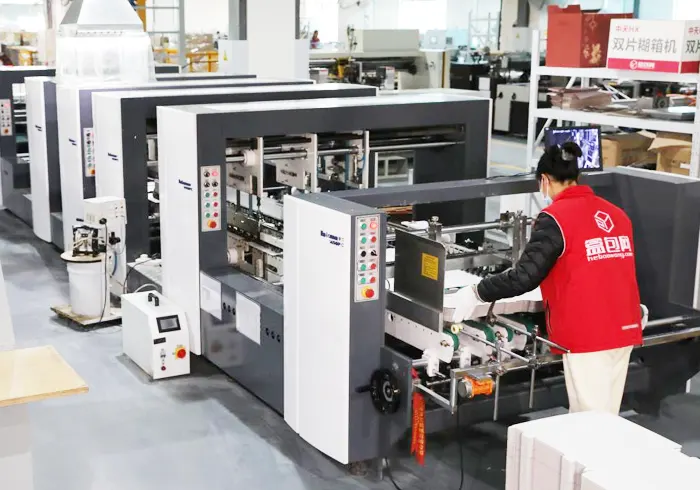
Product protection should also be considered early in the design process. Packaging that focuses only on appearance may fail to protect products during transportation and storage. Factors such as stacking strength, impact resistance, moisture exposure, and shipping conditions should influence structural design from the very beginning. Balancing visual appeal with functional performance is essential for successful packaging. Communication between the brand and the packaging supplier is another key factor. Delays and production errors often result from incomplete specifications or changes made late in the project. Sharing accurate product information, performance expectations, and production timelines allows manufacturers to recommend appropriate materials, structures, and printing methods before costly mistakes occur.
Prototype testing provides another valuable opportunity to prevent packaging failures. Physical samples allow teams to evaluate fit, functionality, print quality, and durability under real-world conditions. Testing before mass production helps identify potential problems while changes are still relatively inexpensive and easy to implement. Regulatory compliance should not be overlooked during the planning stage. Packaging for food, pharmaceuticals, cosmetics, and many export products must meet specific labeling and safety requirements. Addressing these regulations early prevents costly redesigns and production delays later in the project.