

What Makes One Folding Carton Easier to Assemble Than Another?
Folding cartons may appear simple at first glance, but their design has a significant impact on manufacturing efficiency, packaging speed, and overall production costs. Two cartons with similar dimensions can perform very differently on an assembly line depending on how they are engineered. A well-designed folding carton opens smoothly, folds accurately, and integrates seamlessly with automated or manual packing operations. Understanding what makes one carton easier to assemble than another helps brands improve productivity while reducing packaging-related challenges. One of the most important factors is structural design. Every folding carton is built around a specific dieline that determines how the package folds and locks into shape. Well-engineered structures use fold patterns that are intuitive and balanced, allowing the carton to open and close with minimal effort. Poorly designed structures may require excessive force, create misalignment, or slow down the packaging process.
Accurate scoring is another essential element. Score lines guide the paperboard as it folds into its final shape. If scoring is too shallow, the carton may resist folding or crack during assembly. If it is too deep, the carton may lose structural strength. Properly designed score lines create clean, precise folds that improve assembly speed while maintaining the package's durability. Material selection also plays a significant role. Different grades of paperboard have different stiffness, flexibility, and memory characteristics. A material that is too rigid may be difficult to fold, while one that is too soft may not maintain its shape after assembly. Choosing the appropriate paperboard thickness ensures the carton folds smoothly without sacrificing strength or product protection.
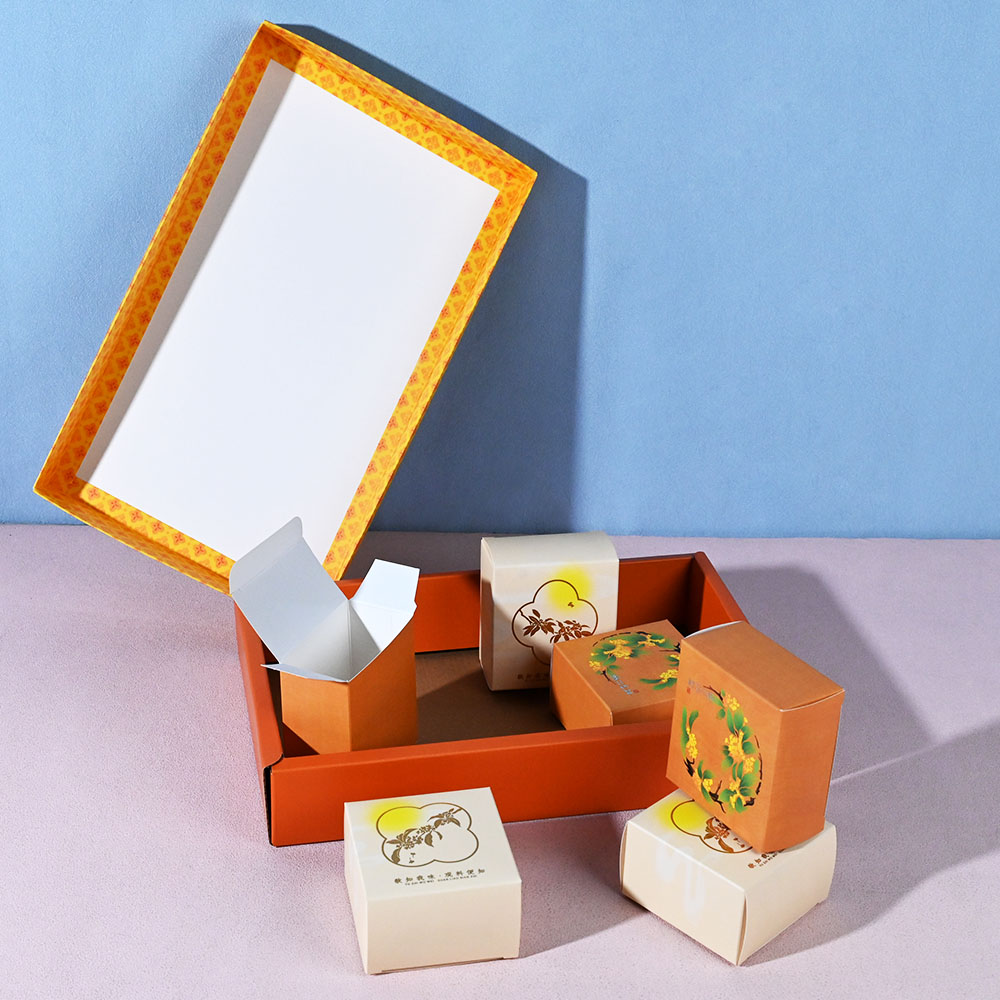
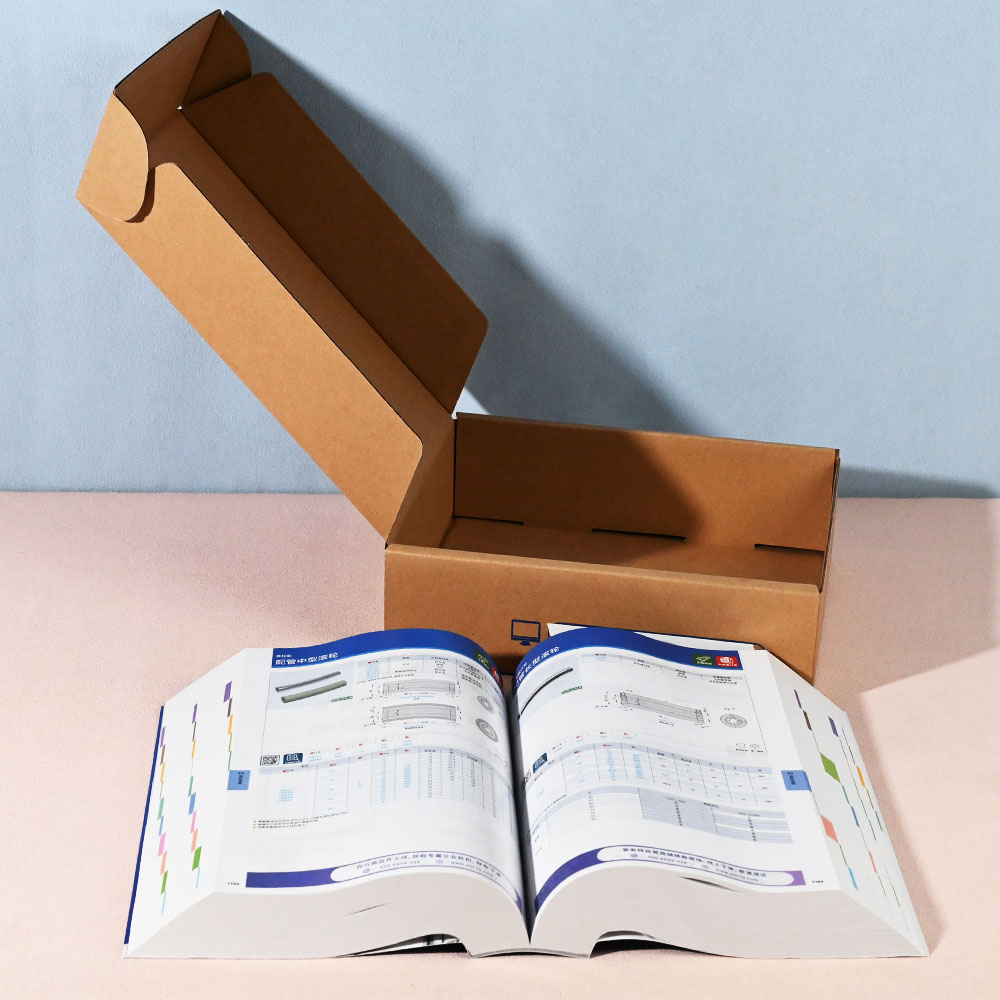
The locking mechanism is another important consideration. Some folding cartons use tuck-end closures, while others rely on auto-lock bottoms, crash-lock bases, or custom locking systems. Efficient locking designs reduce assembly time by allowing workers or automated equipment to secure the carton quickly. Well-designed closures also minimize the risk of cartons opening unexpectedly during handling or transportation. Glue flap design affects assembly efficiency as well. Properly sized and positioned glue flaps create strong, reliable bonds without interfering with folding operations. Inconsistent glue application or poorly designed flaps can cause cartons to open unevenly or jam during automated production, leading to unnecessary downtime.
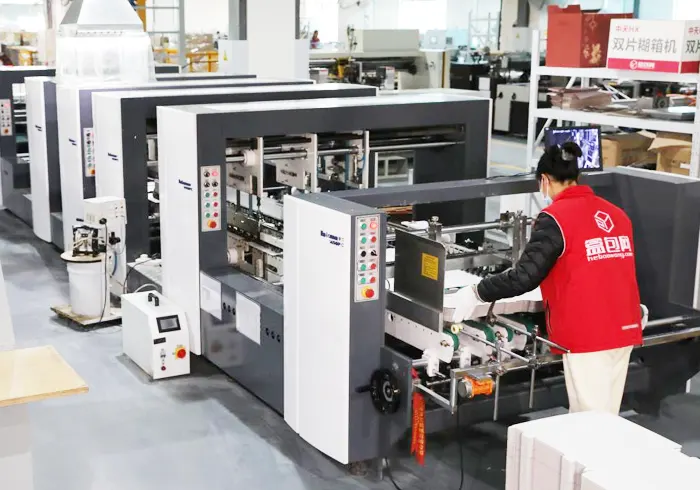
Dimensional accuracy is equally critical. Even small variations in carton dimensions can affect how easily the package assembles. Precision die-cutting ensures that panels align correctly, folds meet accurately, and closures fit securely. High manufacturing accuracy reduces assembly errors and improves consistency across large production runs. Packaging intended for automated assembly requires additional design considerations. High-speed packaging equipment depends on cartons opening consistently and maintaining stable dimensions. Structural features that work well during manual assembly may not perform efficiently on automated production lines. Designing cartons specifically for machine compatibility improves production speed and reduces equipment interruptions.
Product fit also influences assembly performance. A carton should securely hold the product without requiring excessive adjustment during packing. Oversized cartons may allow products to shift, while undersized cartons can make insertion difficult and slow production. Proper dimensional planning ensures smooth product loading and better overall packaging efficiency. Prototype testing is an important step before mass production. Physical samples allow manufacturers to evaluate folding performance, locking reliability, and assembly speed under real production conditions. Testing helps identify structural improvements before large-scale manufacturing begins, reducing the risk of costly production issues.
Ultimately, an easy-to-assemble folding carton is the result of thoughtful engineering rather than simple appearance. Structural design, material selection, accurate scoring, efficient locking systems, dimensional precision, and production compatibility all contribute to faster assembly and improved manufacturing performance. By focusing on these factors early in the design process, brands can reduce labor costs, increase packaging efficiency, and ensure consistent product presentation throughout the production cycle.