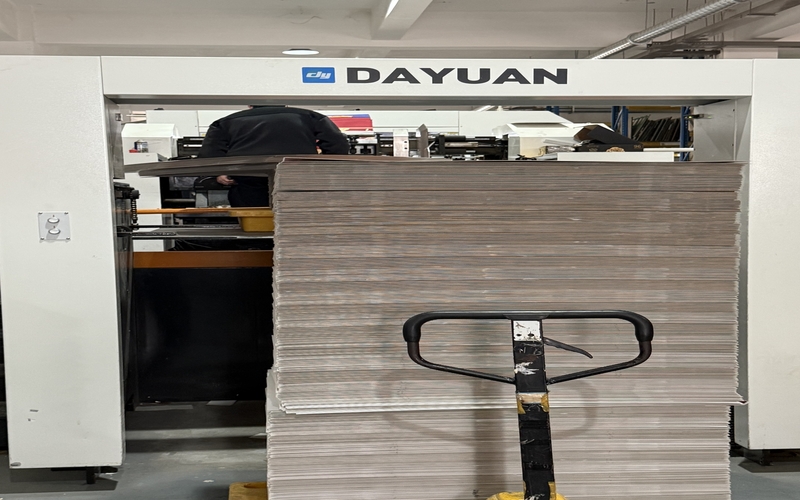


From Concept to Carton: The Journey of a Custom Packaging Project
Custom packaging is more than simply printing a box. It is a detailed process that transforms an initial idea into a finished product that protects goods, communicates brand identity, and enhances customer experience. From the earliest concept to the final carton ready for shipment, each stage requires careful planning, design expertise, and precision manufacturing. The journey begins with understanding the product and the brand behind it. At this stage, packaging designers work closely with the client to learn about the product’s size, weight, fragility, and target market. They also consider branding goals, such as visual style, color identity, and the type of customer experience the brand wants to create. Whether the goal is luxury presentation, efficient e-commerce packaging, or sustainable materials, these early discussions establish the foundation for the entire project.
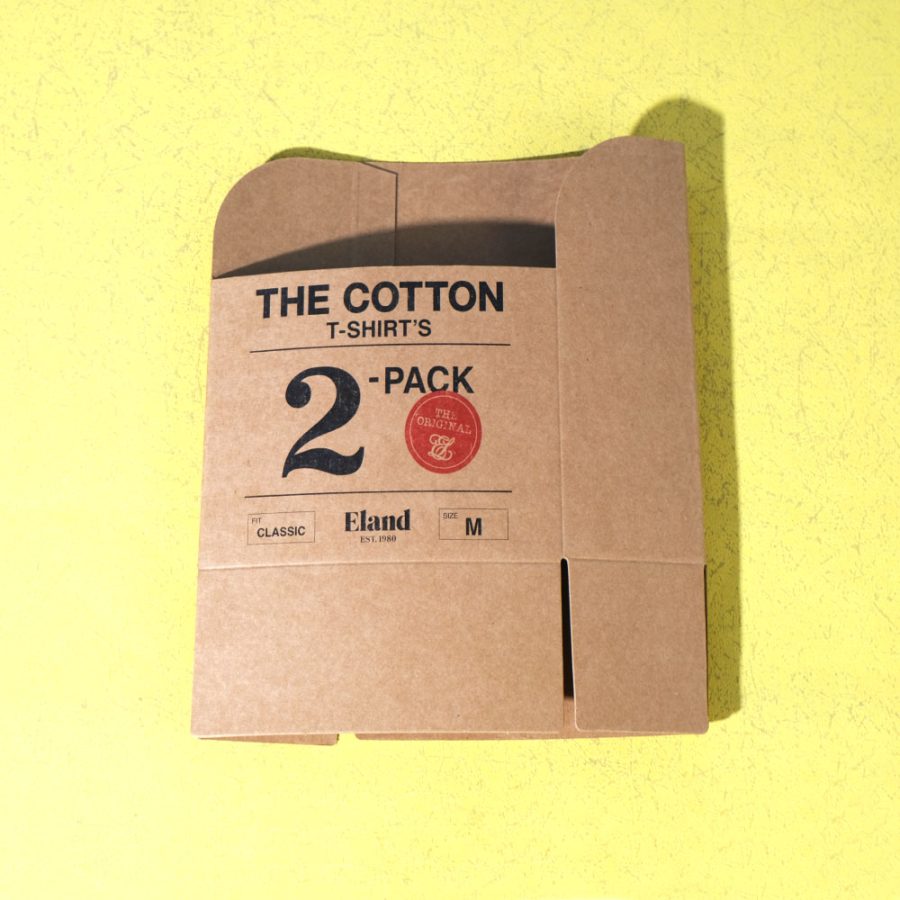
Once the requirements are clear, the design phase begins. Designers develop structural concepts that determine the box shape, folding style, and internal layout. At the same time, graphic designers create the visual elements, including brand colors, logos, typography, and product information. During this stage, the challenge is to balance aesthetics with practicality. The packaging must look appealing while remaining strong enough to protect the product during storage and transportation. After the initial design is completed, a prototype is often created. Prototyping allows both the brand and the manufacturer to physically examine the packaging before full production begins. The sample helps verify dimensions, folding structure, and product fit. It also provides an opportunity to test how the packaging performs in real conditions, such as stacking, shipping, and handling. Any necessary adjustments can be made at this stage, saving time and cost later.
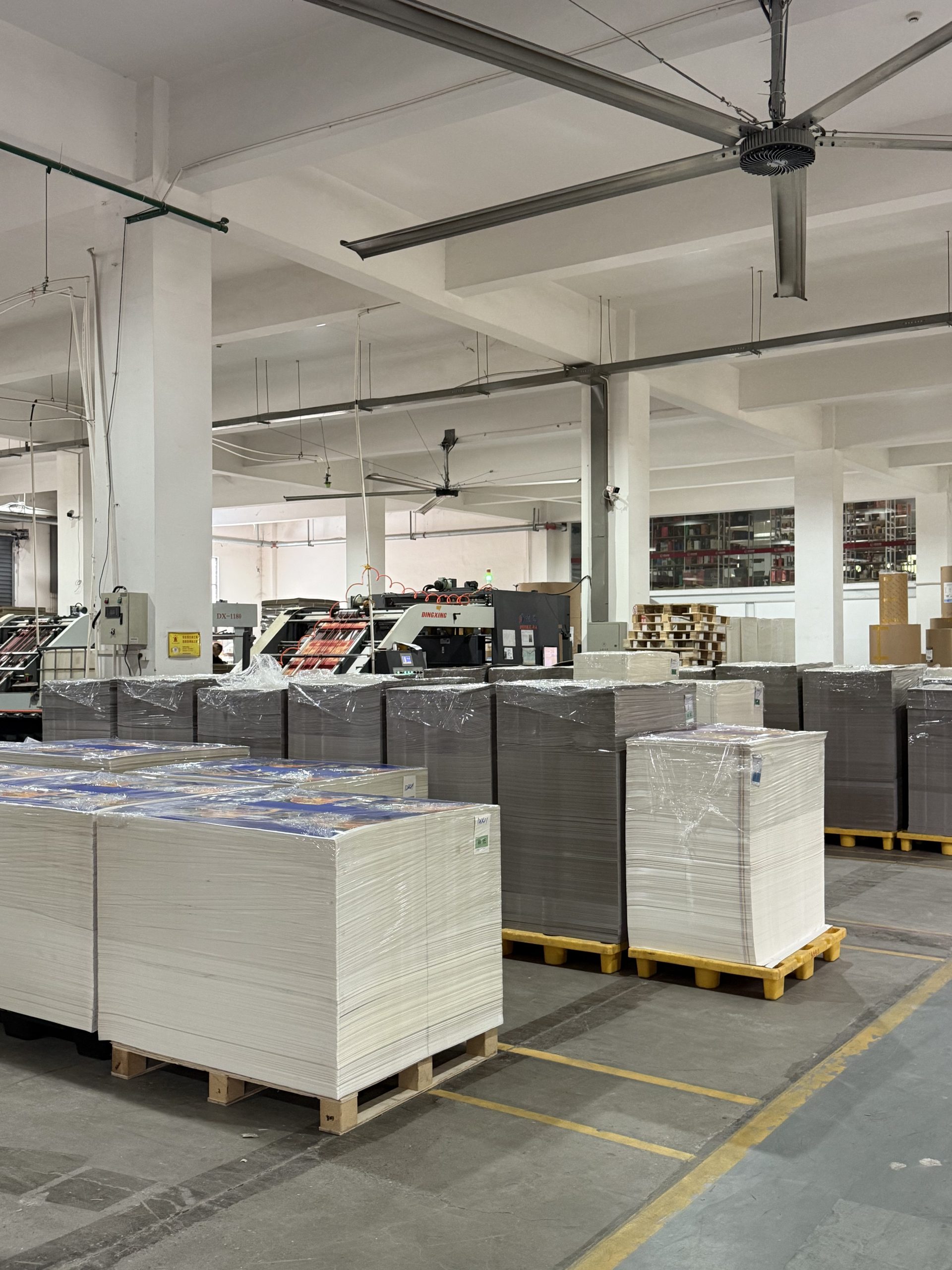
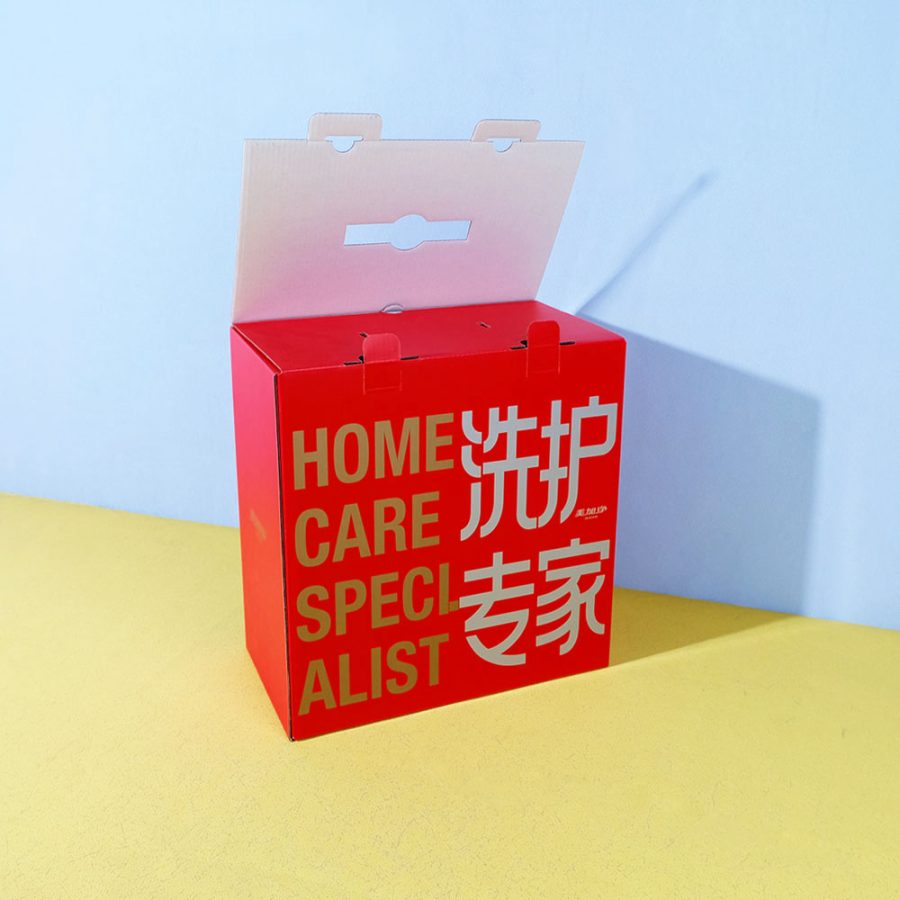
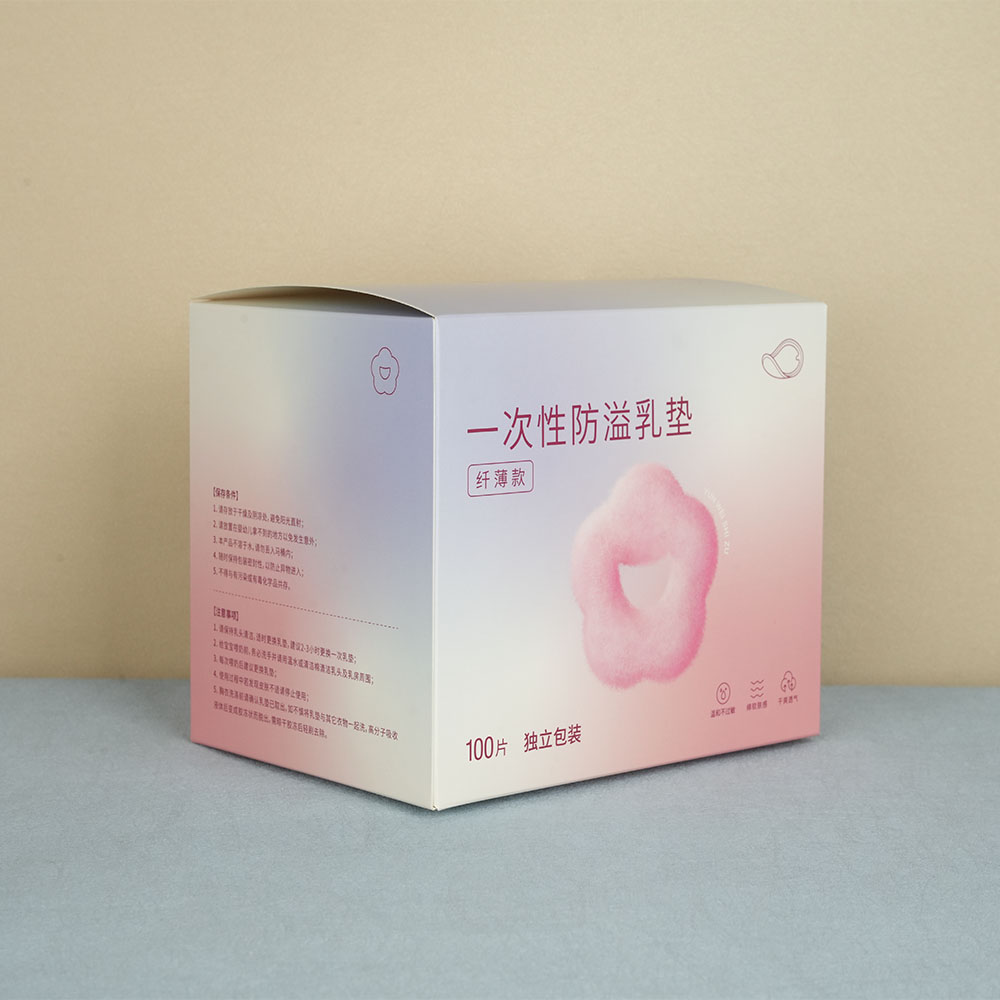
The next step is print preparation, often referred to as pre-press. This stage ensures that the digital design files are optimized for printing. Color profiles are calibrated to match brand standards, image resolution is checked for clarity, and die-cut lines are aligned with the box structure. Proofs may be produced to confirm color accuracy and layout positioning before mass production begins. Once everything is approved, printing begins. High-quality offset printing machines apply ink to the selected paperboard or corrugated material with precision. Advanced equipment ensures sharp graphics, accurate colors, and consistent quality across large production runs. For premium packaging, special techniques such as embossing, foil stamping, matte lamination, or spot UV coating may be added to enhance visual and tactile appeal.
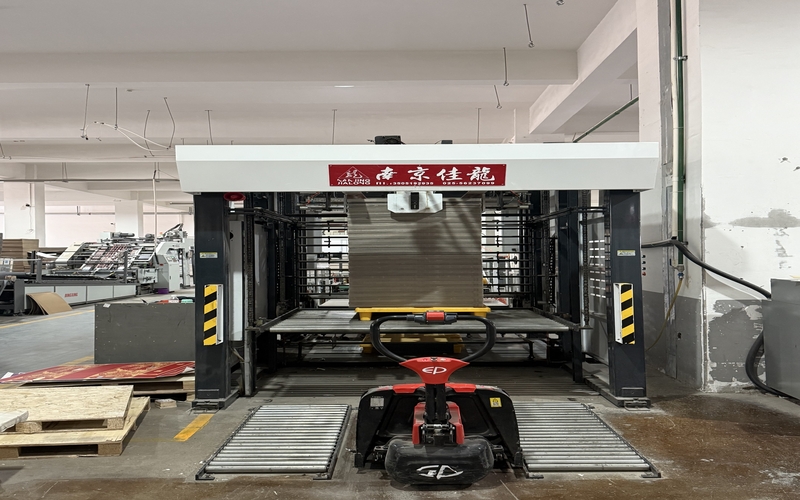
Following the printing stage, the packaging enters post-press processing. This involves die-cutting the printed sheets into their final shapes, creating folds, windows, and other structural features. Gluing and assembly processes then form the flat cartons or rigid structures that will later hold the product. Precision in this stage is essential to ensure that the boxes fold correctly and maintain structural strength. Quality control is another crucial part of the journey. Packaging manufacturers carefully inspect finished cartons to verify color consistency, structural accuracy, and printing quality. Ensuring that every box meets the required standards protects both the product and the brand’s reputation.
Finally, the completed cartons are packed and delivered to the client, ready to be filled with products and sent to retailers or consumers. What began as an idea has now become a functional and visually compelling package that supports the brand’s market presence. The journey from concept to carton highlights the collaboration between design, engineering, and manufacturing. Every stage plays a role in transforming creative ideas into practical packaging solutions. When executed successfully, custom packaging not only protects products but also strengthens brand identity and enhances the customer experience.