

How Seasonal Packaging Drives Limited-Edition Sales
Seasonal packaging has become a powerful marketing tool for brands looking to capture attention, create urgency, and boost limited-edition sales. By aligning packaging design with specific seasons, holidays, or cultural moments, brands can transform ordinary products into timely experiences that feel special and exclusive. One of the biggest strengths of seasonal packaging is its ability to create a sense of urgency. Limited-edition designs signal to consumers that the product is available only for a short time. This triggers a fear of missing out, encouraging faster purchasing decisions. When shoppers believe an item may not be available later, they are more likely to buy immediately rather than delay.
Seasonal visuals also connect emotionally with consumers. Colors, patterns, and symbols associated with holidays or seasons instantly evoke certain feelings. Warm tones and festive graphics may suggest celebration, while fresh colors and light designs reflect renewal or summer energy. These emotional cues make products feel more relevant and desirable at specific moments of the year. Limited-edition packaging adds perceived value without changing the product itself. A familiar item presented in a special seasonal box can feel new and collectible. Many consumers are willing to pay a premium for products that feel exclusive or gift-ready, especially during holidays such as New Year, Valentine’s Day, or major shopping festivals.
Seasonal packaging also strengthens brand visibility in retail and online environments. On crowded shelves or digital marketplaces, time-specific designs stand out against standard packaging. They immediately communicate relevance, helping products catch attention more quickly. This increased visibility often leads to higher impulse purchases. For gift-oriented seasons, packaging plays an even more critical role. Attractive seasonal boxes reduce the need for additional wrapping, making products more convenient for consumers. This practicality, combined with strong visual appeal, positions the product as a ready-made gift, increasing its appeal during peak shopping periods.
From a marketing perspective, seasonal packaging supports storytelling and campaign integration. Brands can align packaging with advertising themes, social media content, and in-store displays. This consistency reinforces the campaign message and strengthens brand recall. Seasonal designs are also highly shareable, encouraging user-generated content and organic promotion online. Operationally, limited-edition packaging allows brands to test new ideas with lower risk. Short production runs provide an opportunity to experiment with new colors, finishes, or structural designs. Successful elements can later be incorporated into permanent packaging lines, while less effective ideas can be retired without long-term commitment.
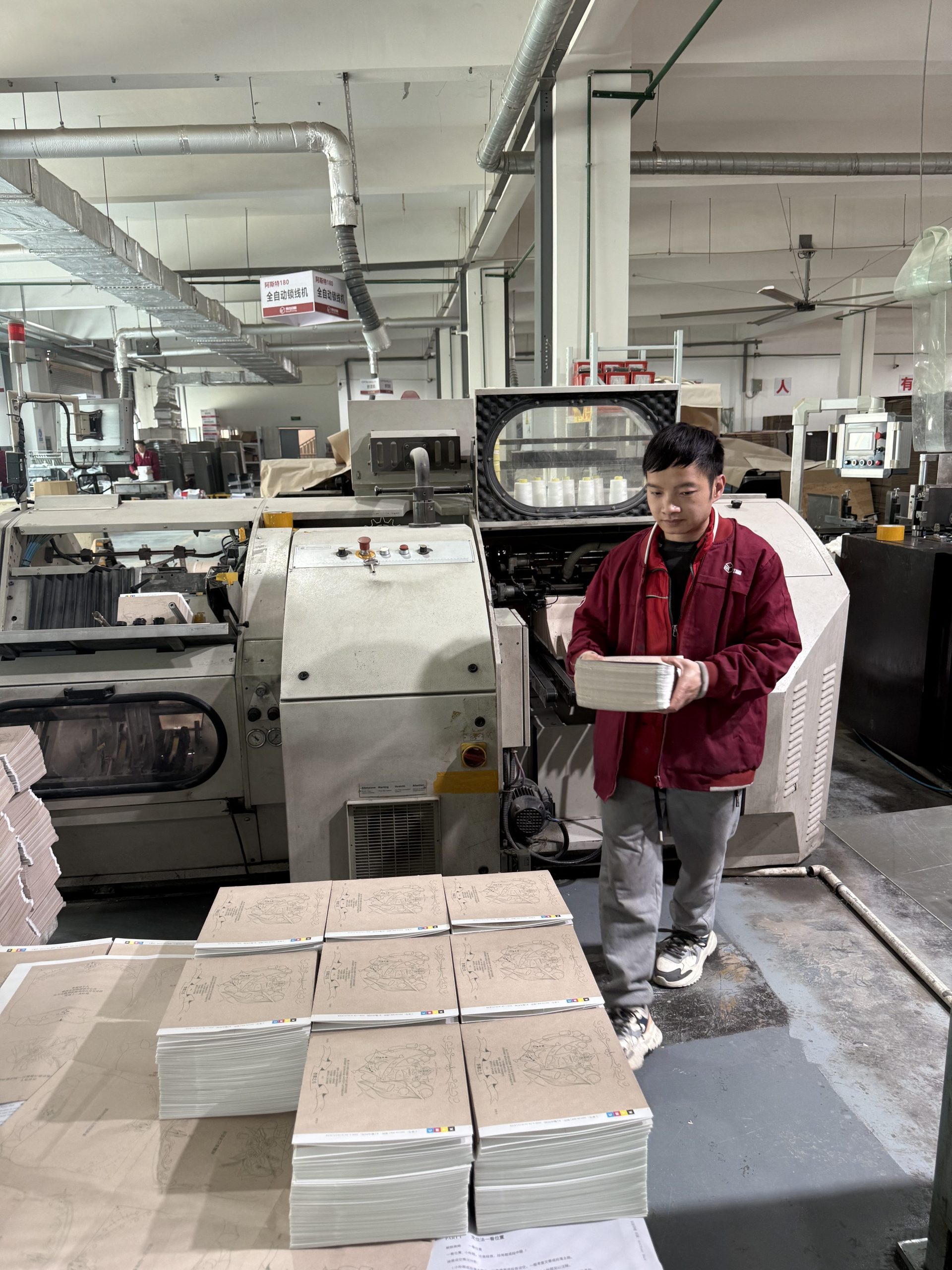
However, execution is key. Seasonal packaging must maintain the same quality standards as regular products. Poor printing, inconsistent colors, or weak materials can damage brand perception. Professional production, accurate color management, and reliable timelines ensure that seasonal designs enhance rather than dilute brand value. Sustainability is another important consideration. Modern consumers expect seasonal packaging to be responsible as well as attractive. Using recyclable materials, FSC-certified paper, or minimal packaging designs helps brands meet environmental expectations while still delivering visual impact.
In conclusion, seasonal packaging drives limited-edition sales by combining urgency, emotional connection, and visual differentiation. It turns everyday products into timely experiences that feel exclusive and memorable. When executed thoughtfully, seasonal packaging not only boosts short-term sales but also strengthens long-term brand engagement and customer loyalty.