

The Art of Balancing Durability and Aesthetics in Box Design
In today’s packaging landscape, box design is no longer a simple choice between strength and appearance. Modern brands demand both durability and aesthetics, and consumers expect packaging that protects the product while delivering a refined visual and tactile experience. The true art of box design lies in achieving the perfect balance between these two elements—ensuring that packaging is strong enough to perform its function while remaining attractive enough to enhance brand value. Durability is the foundation of effective packaging. A box must protect its contents from damage during storage, transportation, and handling. This is especially important in an era of global logistics and e-commerce, where products may travel long distances and pass through multiple touchpoints before reaching the end customer. Structural integrity, material selection, and intelligent engineering determine how well a box withstands pressure, impact, and environmental conditions. Without durability, even the most beautiful packaging fails its primary purpose.
At the same time, aesthetics play a powerful role in shaping consumer perception. Packaging is often the first physical interaction a customer has with a brand, and visual appeal influences purchasing decisions almost instantly. Color, typography, layout, and finishing techniques work together to communicate brand identity, quality, and positioning. A well-designed box can convey luxury, simplicity, sustainability, or innovation before the product is even opened. Ignoring aesthetics risks making the product invisible in crowded markets. The challenge lies in designing packaging that excels in both areas without compromise. Material choice is one of the most critical factors in this balance. High-quality paperboard and corrugated materials offer excellent strength while providing smooth surfaces for premium printing. By carefully selecting thickness, flute type, and paper grade, designers can achieve durability without unnecessary bulk. This approach not only protects the product but also maintains an elegant, refined appearance.
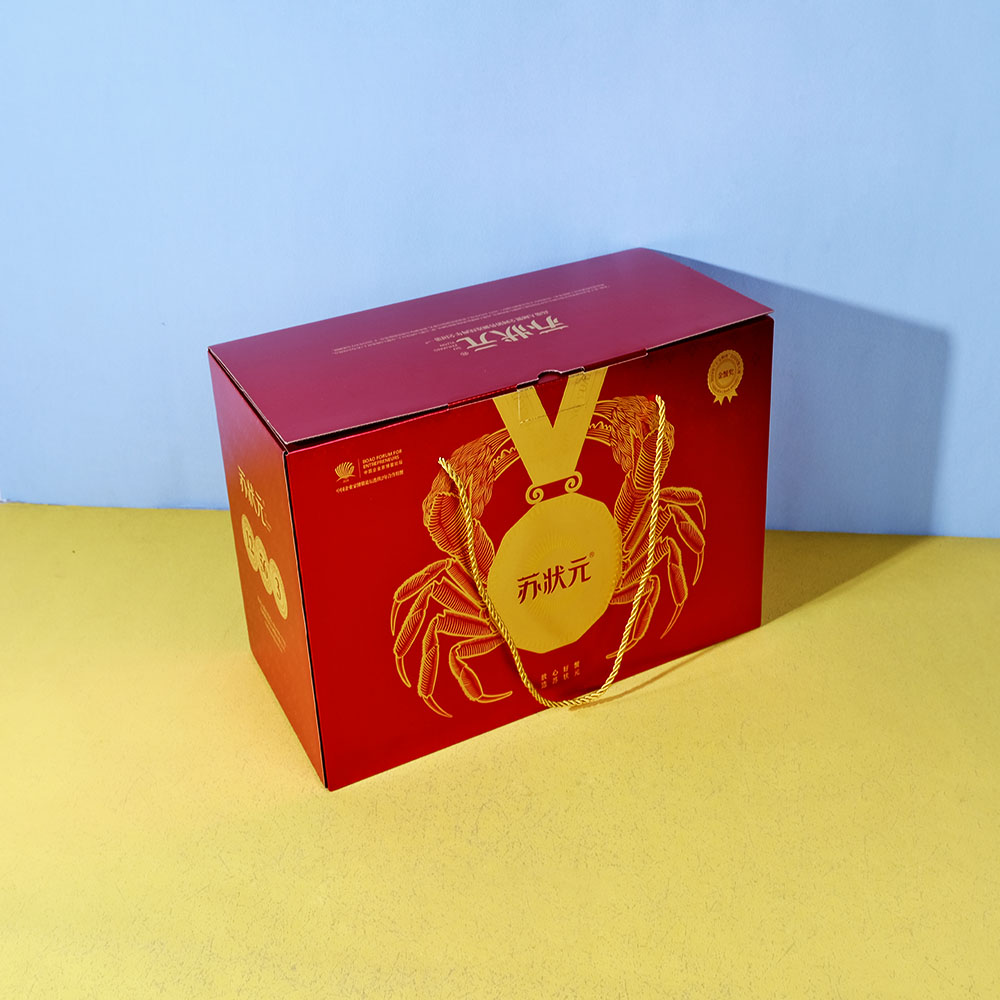
Structural design further bridges durability and aesthetics. Smart engineering allows boxes to maintain strength through folding techniques, reinforced corners, and optimized dielines rather than excessive material use. Thoughtful structures can enhance usability and presentation at the same time. For example, magnetic closures, tuck-end designs, or drawer-style boxes add both functional security and visual sophistication. These structural features contribute to a premium feel while ensuring the product remains safe. Printing technology and finishing processes also play a vital role in harmonizing strength and beauty. Advanced offset printing delivers crisp graphics and consistent colors, even on thicker or textured materials. Finishes such as matte lamination, spot UV, embossing, or foil stamping enhance visual appeal without compromising structural integrity. When applied with precision, these techniques elevate the box’s appearance while preserving its durability and performance.
Sustainability adds another dimension to this balance. Modern consumers increasingly value environmentally responsible packaging, making it essential to design boxes that are both durable and eco-friendly. Smart design reduces waste by using the right amount of material and eliminating unnecessary components. FSC-certified paper and recyclable materials allow brands to achieve strong, attractive packaging while supporting environmental goals. Sustainable design proves that durability, aesthetics, and responsibility can coexist. The balance between durability and aesthetics also directly affects customer experience. A box that arrives intact, opens smoothly, and feels premium reinforces trust in the brand. Conversely, packaging that looks good but fails during shipping can lead to disappointment and negative perceptions. When durability and design work together, the packaging becomes an extension of the product itself—reliable, appealing, and memorable.
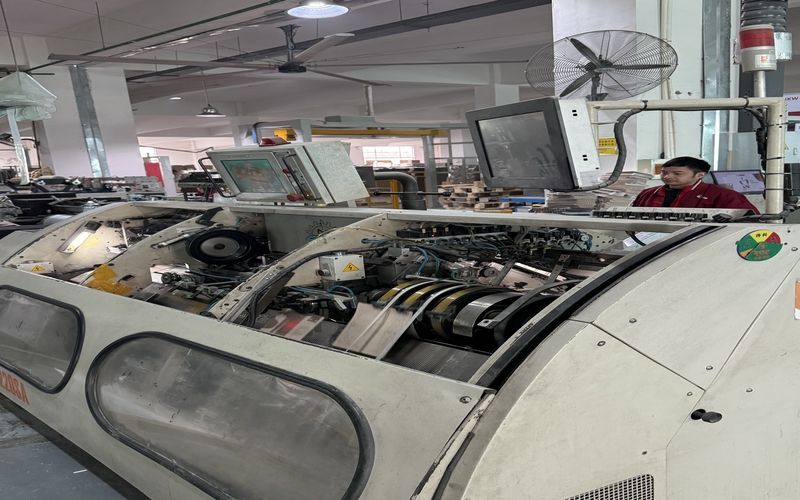
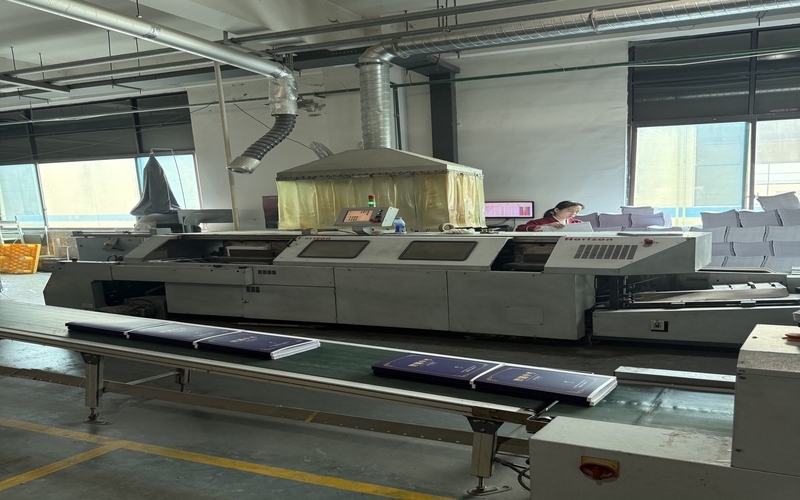
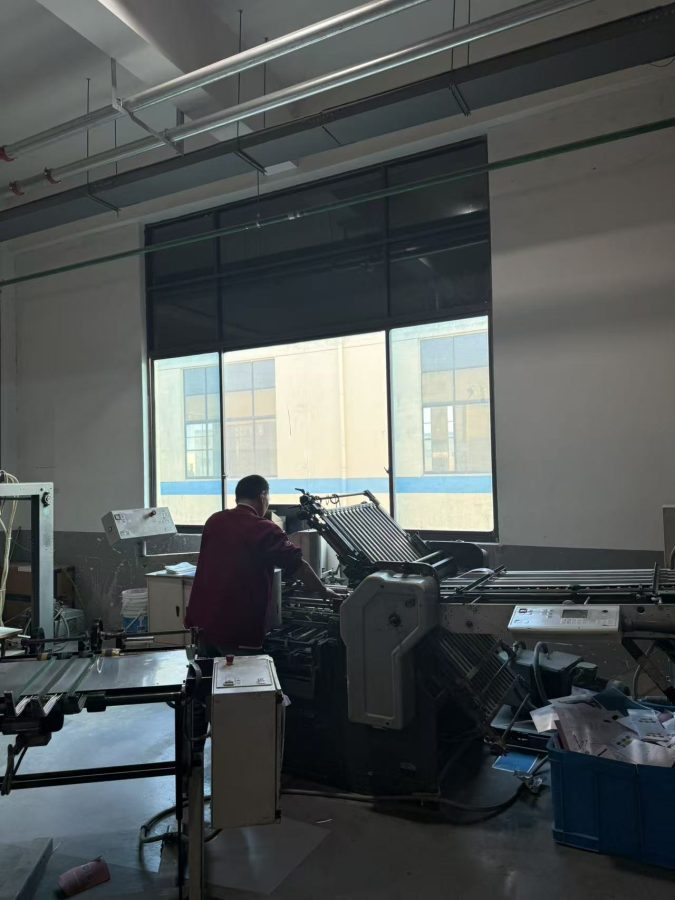
From a production perspective, balancing these elements requires expertise and precision. Packaging must be designed to run efficiently on printing and finishing equipment without compromising quality. At Wuxi Box Printing Technology Co., Ltd., structural design, material selection, printing, and finishing are developed as an integrated process. This ensures that each box performs well throughout production and distribution while maintaining a high-end appearance. Ultimately, the art of box design is about understanding that durability and aesthetics are not opposing forces—they are complementary. Strong packaging enhances beauty by delivering confidence and reliability, while attractive design amplifies strength by increasing perceived value. Brands that master this balance gain a powerful advantage in competitive markets. At Wuxi Box Printing Technology Co., Ltd., we specialize in creating packaging that is as dependable as it is visually striking. By combining advanced technology, thoughtful design, and rigorous quality control, we help brands achieve boxes that protect, impress, and inspire. In a world where packaging must do more than ever before, balancing durability and aesthetics is not just an art—it is a necessity.