

The Difference Between Offset Printing and Digital Printing Explained
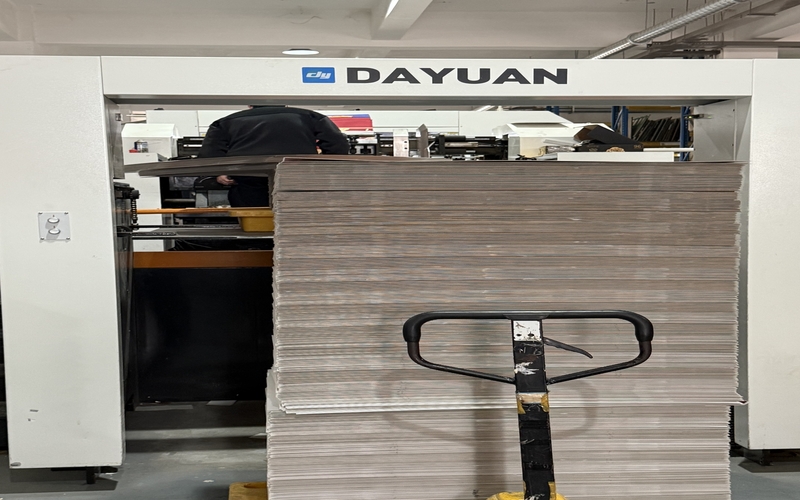
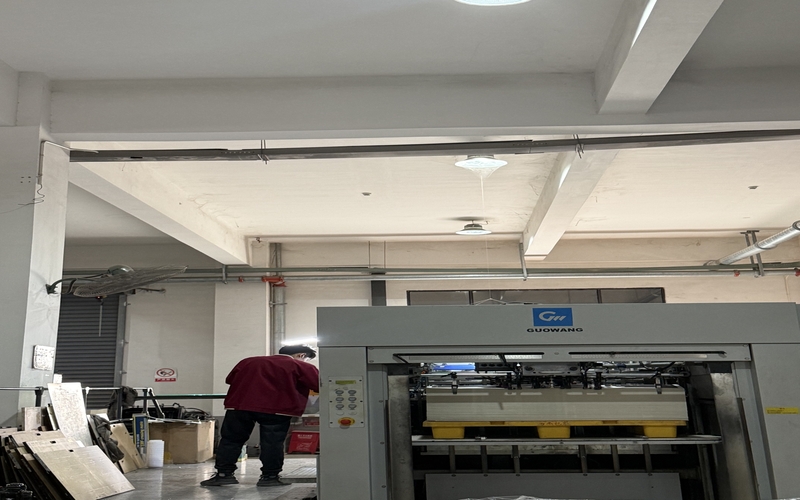
Offset printing and digital printing are two of the most widely used technologies in the modern printing industry, and understanding their differences helps businesses choose the right solution for their packaging and marketing needs. While both methods produce high-quality printed materials, they differ significantly in process, cost structure, flexibility, and ideal application scenarios. Offset printing is a traditional technique that uses metal plates to transfer ink onto a rubber blanket, which then applies the image to paper or other substrates. Because the image is first “offset” onto another surface before reaching the final material, the method delivers exceptionally sharp and consistent results. This technology has long been known for producing rich colors, fine details, and smooth gradients, making it a preferred choice for high-end packaging, brochures, and large-volume commercial printing.
Digital printing, on the other hand, does not use plates. Instead, digital files are sent directly to the printer, which applies toner or liquid ink onto the material. This process is similar to how a high-quality office printer works, but on a much more advanced and industrial scale. Because there are no plates to create or set up, digital printing allows for faster turnaround times and greater flexibility, especially for small to medium print runs. One of the biggest differences between the two methods is cost efficiency at different volumes. Offset printing requires initial setup, including plate production and machine calibration, which adds to the upfront cost. However, once the press is running, the cost per unit becomes very low, making it highly economical for large quantities. Digital printing has little to no setup cost, but the per-unit cost remains relatively constant, which makes it more suitable for short runs or projects that require frequent design changes.
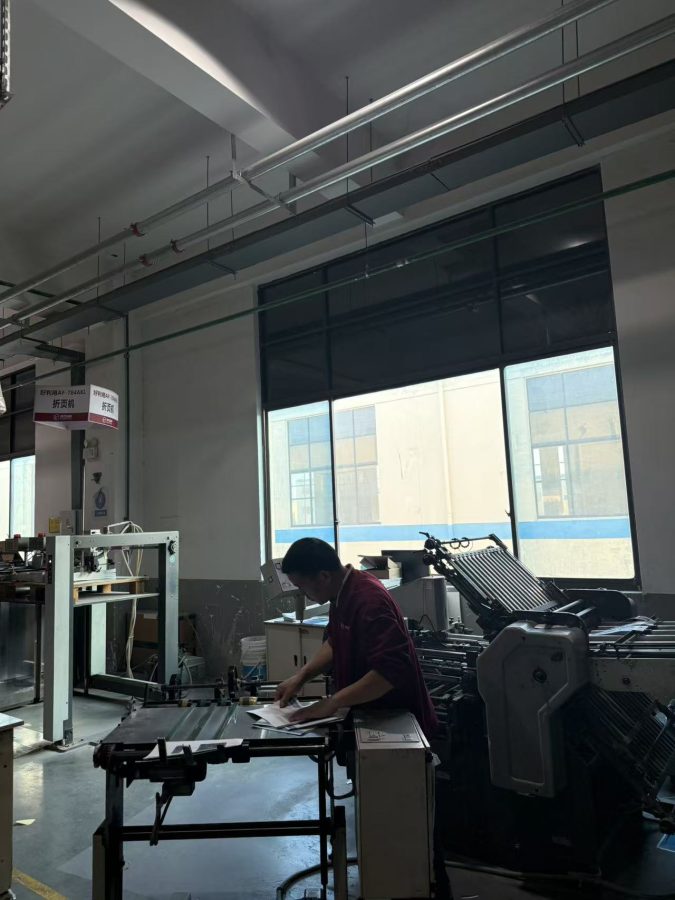
Color accuracy and consistency are other key distinctions. Offset printing uses precise ink control and standardized color management systems, which result in highly consistent colors across thousands or even millions of pieces. This makes it ideal for brands that require strict color matching and premium visual presentation. Digital printing has improved greatly in color quality, but it may show slight variations between batches, especially in very large orders. Customization is where digital printing truly shines. Because each print can be changed without stopping the machine, digital technology enables variable data printing. This means different names, codes, images, or designs can appear on each piece within the same run. This is particularly useful for personalized marketing materials, event packaging, or promotional campaigns that target specific customer groups. Offset printing is less flexible in this regard, as design changes require new plates and setup.
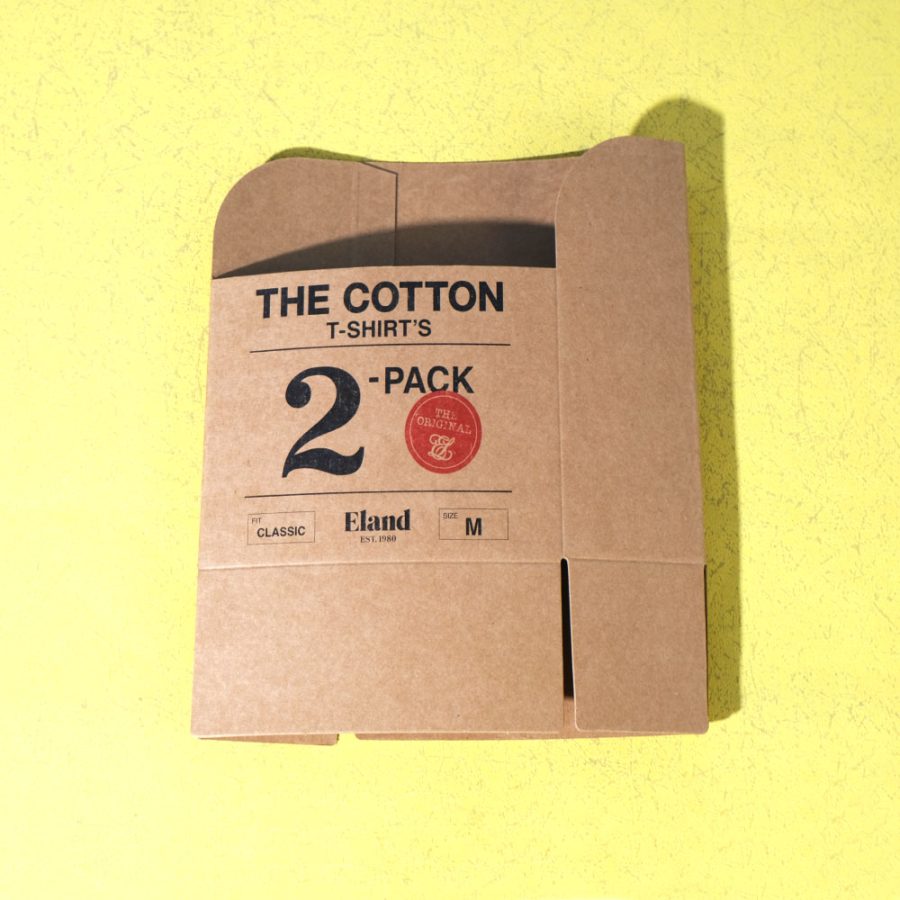
Material compatibility also differs. Offset printing works well on a wide range of papers and packaging boards, especially for folding cartons and high-end packaging that require specialty finishes like embossing, hot stamping, or UV coatings. Digital printing is excellent for standard materials and quick projects, but some specialty substrates and post-press techniques may be more limited depending on the equipment. Speed and turnaround time are important considerations as well. Digital printing is typically faster for urgent or small jobs because it skips the plate-making process. Offset printing takes longer to set up but becomes extremely efficient for long production runs.
In summary, offset printing is best for large quantities, premium quality, and strict color consistency, while digital printing excels in flexibility, short runs, and personalization. Choosing between the two depends on project goals, budget, timeline, and the level of customization required. Many modern printing companies use both technologies to provide comprehensive solutions that balance quality, efficiency, and innovation.