

The Role of Packaging in Anti-Counterfeiting and Brand Protection
Counterfeiting has become a serious global challenge, affecting industries from cosmetics and pharmaceuticals to electronics and luxury goods. Fake products not only damage brand reputation but also put consumer safety at risk. In this environment, packaging is no longer just a container — it has become one of the most powerful tools in anti-counterfeiting and brand protection strategies. Modern packaging acts as the first line of defense against imitation. Genuine brands invest in high-quality printing, precise structural design, and advanced finishing techniques that are difficult for counterfeiters to replicate. Details such as sharp graphics, consistent color reproduction, and accurate text alignment may seem simple, but they require professional equipment and strict quality control. These subtle elements help consumers and distributors quickly identify authentic products.
Security printing technologies add another important layer of protection. Features such as holographic foils, microtext, UV inks, invisible markings, and tamper-evident seals make packaging far more complex to copy. Many of these elements are either invisible to the naked eye or require specialized tools to reproduce. When integrated thoughtfully into packaging design, they create multiple barriers that discourage illegal duplication. Serialization and digital tracking have also transformed packaging into a smart security platform. Unique QR codes, barcodes, or serial numbers can be printed on each package, allowing products to be tracked through the supply chain. Consumers can scan codes to verify authenticity, while brands gain valuable data about product movement and market distribution. This not only combats counterfeiting but also improves logistics transparency.
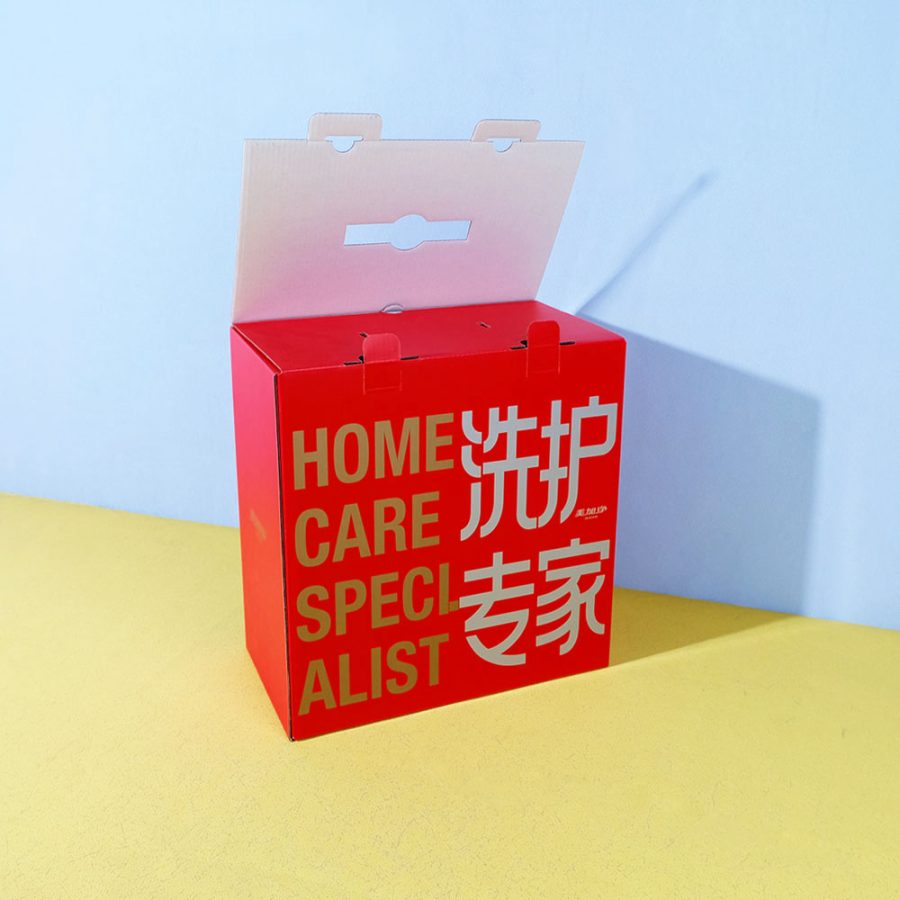
Structural design plays a surprisingly important role as well. Custom box shapes, special opening mechanisms, and unique inserts are harder to copy than standard packaging. Counterfeiters often choose simple, generic designs to reduce their costs. By developing distinctive structures, brands add another protective layer while enhancing the customer experience. Tamper-evident packaging is especially critical in industries like food, beverages, and pharmaceuticals. Seals that break visibly when opened assure consumers that the product has not been altered. This protects public health and strengthens trust in the brand. When customers see secure, professional packaging, they feel more confident in product authenticity.
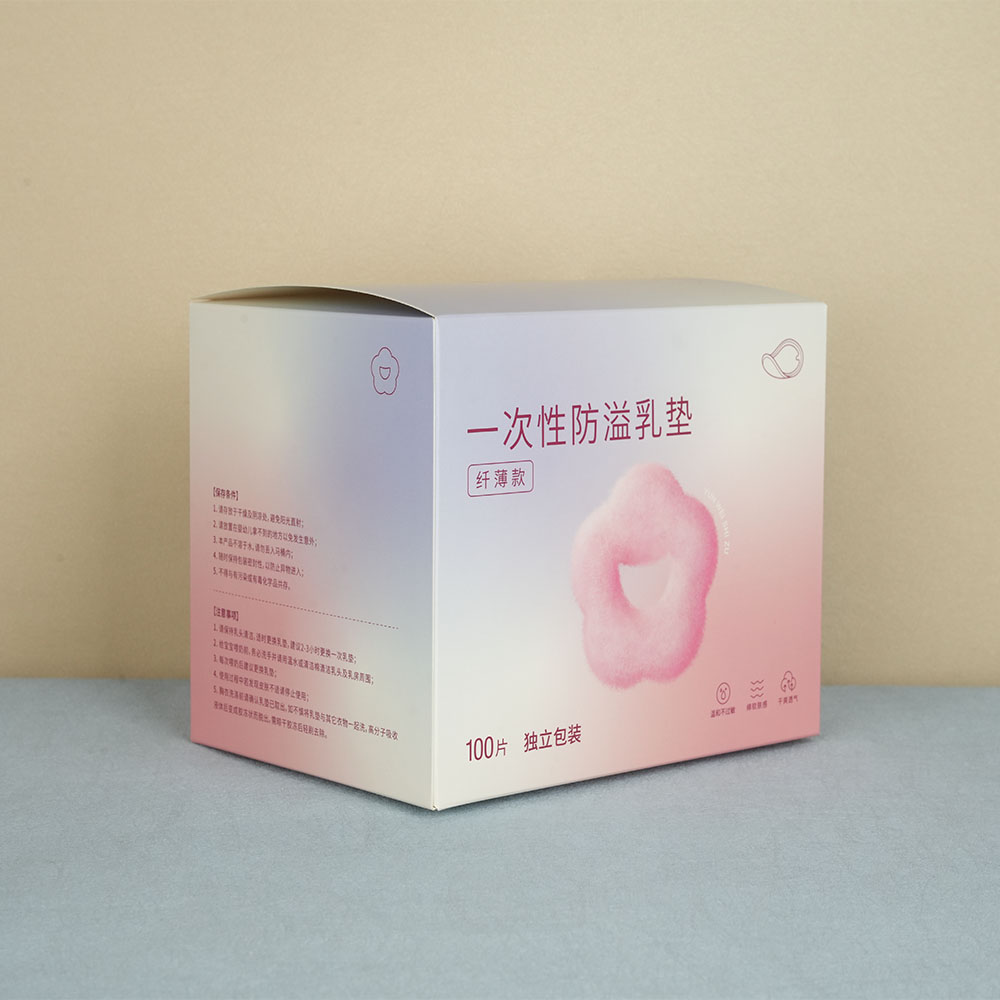
High-end finishing techniques further raise the barrier for counterfeiters. Embossing, debossing, spot UV, soft-touch coatings, and metallic effects require specialized equipment and technical expertise. While counterfeiters may imitate basic printing, reproducing these premium details accurately is far more difficult and expensive. Brand protection is not only about stopping fakes; it is also about communication. Packaging can educate customers on how to identify genuine products. Instructions on scanning verification codes or recognizing specific security features empower consumers to become part of the protection system. This collaborative approach makes anti-counterfeiting efforts more effective.
At the same time, secure packaging must remain visually appealing. Overloading a design with security elements can affect aesthetics, so the key lies in smart integration. When security features are seamlessly combined with brand identity, packaging protects the product while still delivering a premium look. Ultimately, packaging is a strategic asset in the fight against counterfeiting. It combines technology, design, and materials science to protect both brands and consumers. Companies that invest in secure, high-quality packaging are not only safeguarding their products but also strengthening brand credibility, customer trust, and long-term market success.