

How Dust Removal Improves the Reliability of Carton Printing
Dust may seem like a minor issue in carton printing, but it can create surprisingly noticeable problems when it reaches the printing surface or production equipment. Paperboard naturally produces small fibers and particles during cutting, handling, and transportation. If these particles are not controlled before printing, they can interfere with ink transfer, surface quality, and the consistency of the finished carton. One of the most direct problems caused by dust is contamination on the paperboard surface. Small particles can remain between the sheet and the printing surface, creating tiny imperfections in the printed image. On cartons with large solid-color areas, these defects can be particularly easy to notice because the uniform background makes small interruptions stand out.
Dust can also interfere with ink transfer. When a particle sits on the paperboard surface, it can prevent ink from reaching that specific area properly. The result may be a small white spot, uneven coverage, or an interruption in an otherwise continuous printed element. A single defect may be insignificant, but repeated contamination across a production run can affect overall print quality. Fine paper fibers can also accumulate around printing equipment. As sheets move through the production line, loose particles may be carried into areas where they can gradually build up. If this accumulation is not controlled, it can affect equipment surfaces and contribute to inconsistent printing conditions. Regular cleaning and effective dust removal help keep the printing environment more stable.
The problem can become more noticeable when cartons use fine text, small graphics, or detailed images. A tiny piece of dust may have little effect on a large simple graphic, but it can interrupt a fine line or small character. For packaging that contains important product information, even small print defects can make the finished carton look less precise. Dust removal is also important before subsequent finishing operations. Particles left on the printed sheet can sometimes become trapped beneath coatings or other surface treatments. Once covered, the defect may be more difficult to correct. Removing loose particles earlier in the production process gives later operations a cleaner surface to work with.
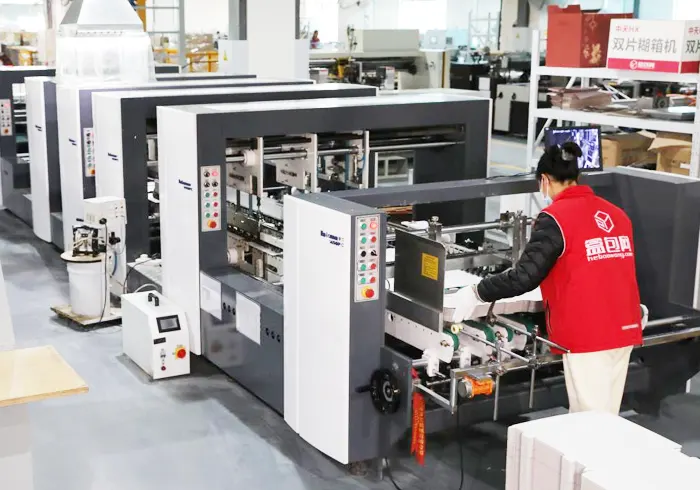
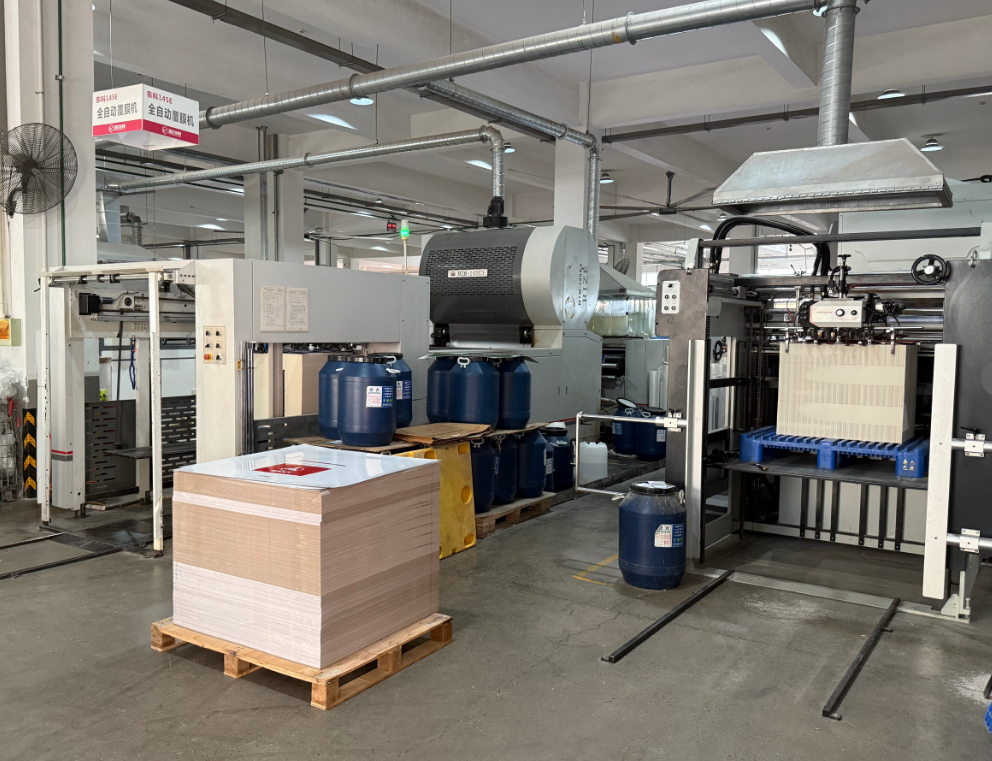
Paperboard type can influence the amount of dust generated during production. Different grades and surface constructions behave differently during cutting and handling. Die-cutting and trimming can release fibers, particularly when tooling becomes worn or when the material is not being processed under suitable conditions. This makes dust control a continuing production concern rather than a one-time cleaning task. The production environment itself also matters. Dust can come not only from the paperboard but also from surrounding equipment, packaging materials, and general factory activity. Maintaining a clean production area reduces the amount of airborne contamination that can settle onto sheets before they enter the printing process.
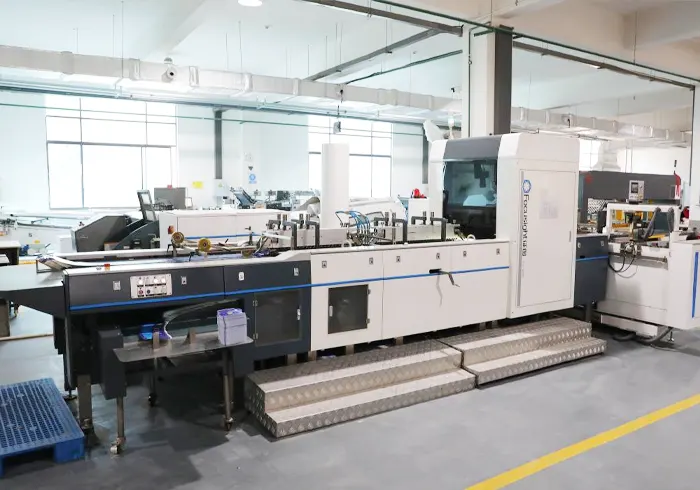
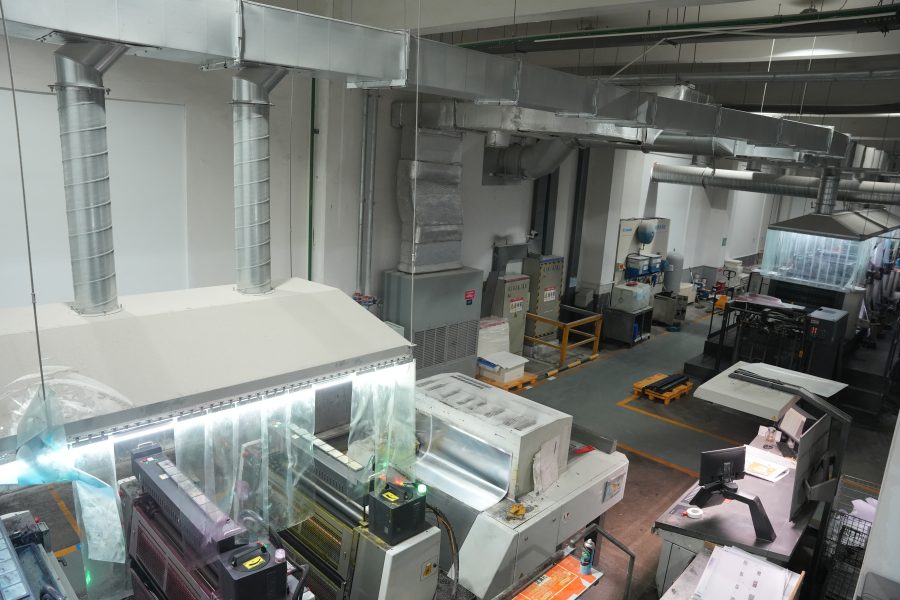
Effective dust removal does not necessarily mean relying on one piece of equipment. Manufacturers may combine sheet cleaning, air systems, brushing, vacuum collection, equipment cleaning, and general housekeeping practices depending on their production setup. The goal is to prevent particles from reaching critical printing surfaces and to remove them before they create defects. Regular maintenance is equally important. Dust collection systems, filters, brushes, and related components need to remain in good working condition. If a system becomes blocked or loses efficiency, the amount of dust reaching the printing process can gradually increase. Routine inspection helps prevent a small maintenance issue from becoming a recurring print-quality problem.
Dust control can also contribute to more predictable production. When contamination is reduced, operators have fewer unexpected print defects to investigate, and less time may be spent stopping equipment to clean affected areas. This is particularly valuable for large carton orders where stable production over a long run is important. For packaging buyers, dust removal may not be visible in the finished carton, but its effect can be. Clean, sharp printing and consistent solid-color coverage are easier to achieve when the printing surface is properly prepared. Buyers dealing with demanding artwork or high-quality folding cartons can therefore benefit from choosing a manufacturer with controlled production and cleaning procedures.
Reliable carton printing depends on many small details, and dust control is one of them. Keeping paperboard surfaces, printing equipment, and the production environment clean helps reduce contamination, improve ink transfer, and maintain a more consistent appearance. Although dust removal is rarely the most noticeable part of packaging production, it can make a meaningful difference when quality and repeatability matter.