

How Food Packaging Handles Grease, Moisture, and Everyday Handling
Food packaging faces several practical challenges before a product reaches the customer. Grease from baked goods, moisture from fresh ingredients, and repeated handling during storage or delivery can all affect the appearance and performance of a package. A carton that looks attractive on a shelf may not remain in good condition if its material and structure are poorly matched to the food inside. Grease is one of the most common concerns for packaging used with pastries, fried snacks, burgers, and other oily foods. When oil comes into contact with ordinary paperboard, it may gradually penetrate the surface and leave visible stains. These marks can make the package look dirty and may weaken the customer's impression of product quality. Choosing a suitable material or protective surface treatment helps reduce this problem.
Moisture creates a different set of difficulties. Foods such as fresh sandwiches, chilled desserts, and prepared meals may release water vapor or condensation during storage. If the packaging absorbs too much moisture, the paperboard can become soft, lose stiffness, or develop an uneven appearance. The material should therefore be selected according to the food's moisture level and expected storage conditions. The relationship between food and packaging material should be considered early in the design process. A dry biscuit box may require different protection from a carton used for oily pastries or refrigerated products. Understanding the product's characteristics helps manufacturers determine whether ordinary paperboard, coated paperboard, or another suitable packaging material is more appropriate.
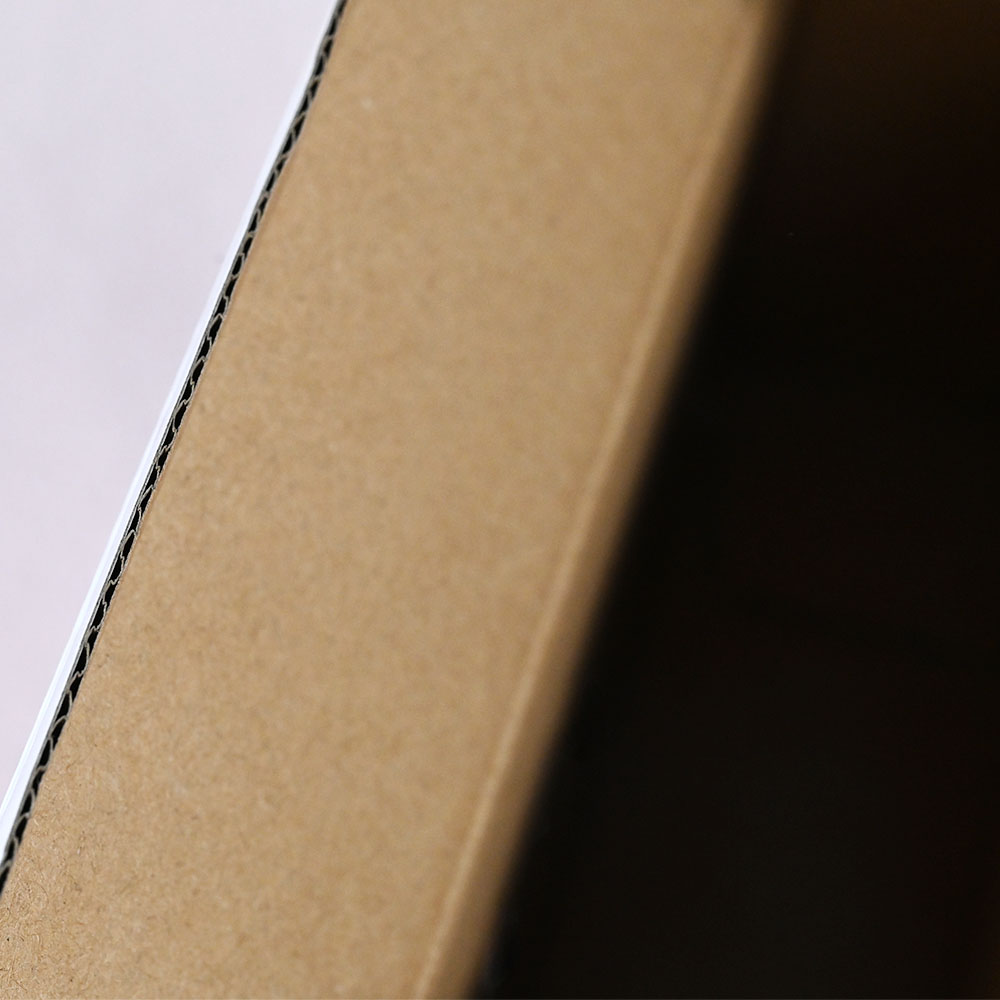
Surface coatings and laminations can provide additional resistance to grease and moisture. However, they should not be selected simply because they create a smoother or more premium appearance. Their performance depends on the intended application, the food's contact conditions, and the packaging's disposal or recycling requirements. A practical choice balances protection, appearance, and material efficiency. The structure of the package also plays an important role. A well-designed food carton should hold its shape when filled and remain stable during stacking. If the board is too thin or the folding structure is poorly planned, the box may bend under pressure. Suitable dimensions, crease positions, and locking mechanisms help maintain the carton’s form during everyday use.
Handling is another factor that should not be underestimated. Food packages are frequently picked up, placed on counters, stacked in delivery bags, or transferred between storage areas. Corners and edges are especially vulnerable to crushing and deformation. A structure with appropriate reinforcement can help the package withstand these routine movements without becoming unnecessarily bulky. For takeaway and delivery applications, packaging needs to consider more than the moment of purchase. A food box may experience movement, vibration, and pressure while being carried. If the closure is unreliable, the contents may shift or spill. Secure flaps, suitable locking designs, and sufficient internal space help keep food in place while making the package convenient to open.
Ventilation may also influence packaging performance. Certain hot foods release steam after packing, and excessive moisture inside a closed carton can affect both the food and the package. Small ventilation openings or a carefully considered closure design may help manage steam in suitable applications. The solution should be adapted to the food rather than applied universally. Printing quality remains important even when the package is designed mainly for protection. Food cartons often display product names, brand information, ingredients, or promotional graphics. Grease marks, moisture damage, and surface scuffing can reduce the clarity of these printed elements. Selecting compatible materials and finishing processes helps preserve the package's appearance during normal handling.
Before mass production, packaging samples should be tested with the actual food or a representative product. These checks can reveal whether grease spreads through the material, whether moisture affects the carton’s stiffness, and whether the box remains secure after handling. Sample evaluation is particularly useful when changing board grades, coatings, or structural designs. Food packaging also needs to balance protection with production efficiency. A complicated carton may offer additional features, but it can increase packing time and material use. A straightforward structure that provides sufficient grease resistance, moisture management, and strength is often more practical for high-volume food businesses.
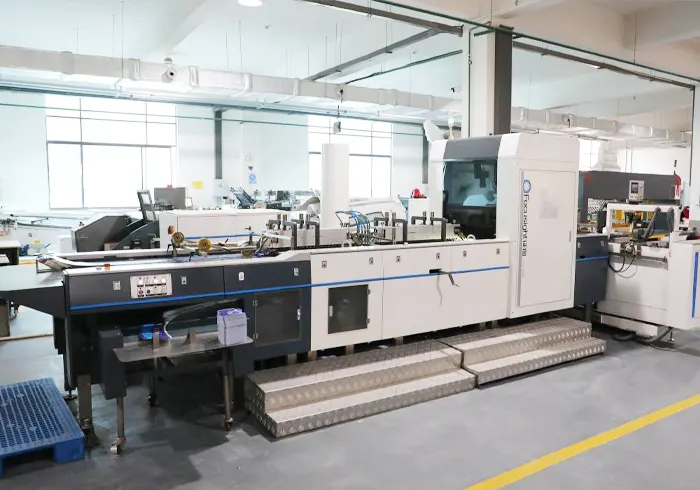
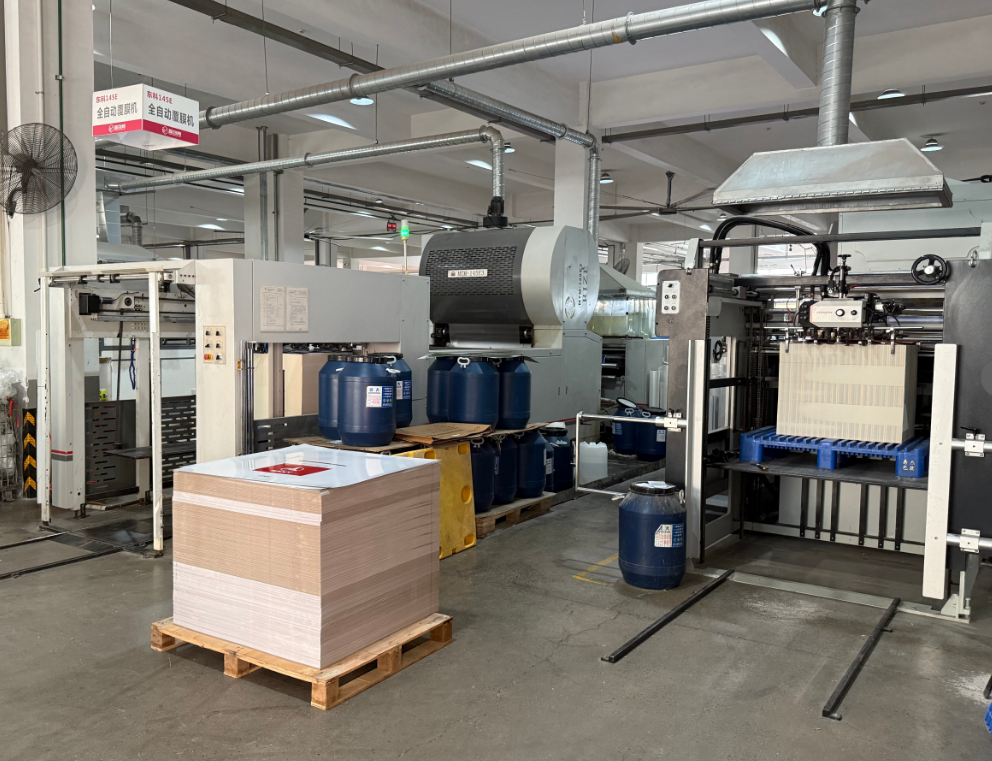
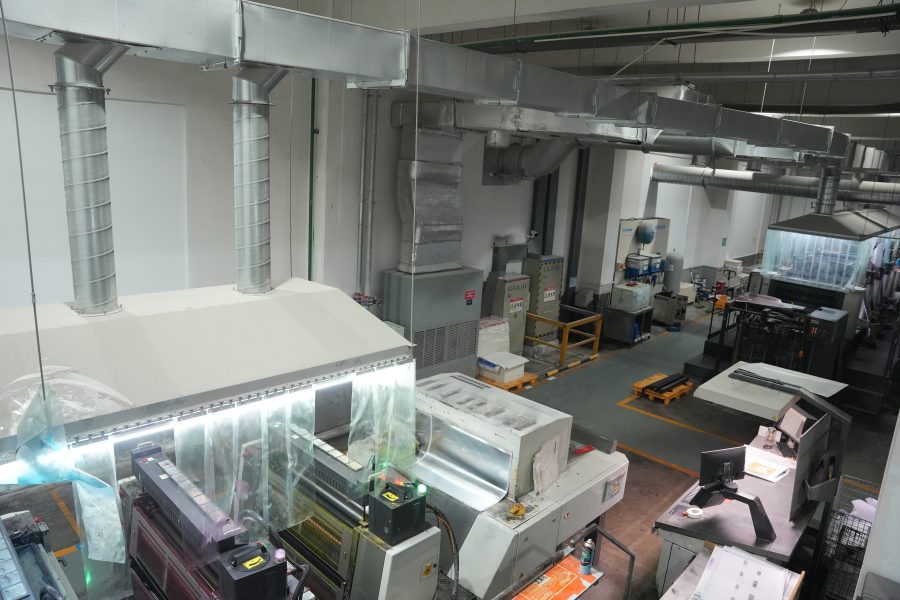
Ultimately, reliable food packaging depends on matching the material, structure, and finishing process to the product's real conditions. Wuxi Box Printing Technology Co., Ltd. provides paper packaging solutions, including food and beverage boxes, folding cartons, and corrugated color boxes. With professional printing equipment and supporting pre-press and post-press facilities, the company helps businesses develop packaging that combines product presentation with practical protection during storage, handling, and delivery.