

How Packaging Design Helps Pet Brands Organize Different Product Lines
Pet brands often offer a wide range of products, from dry food and treats to grooming supplies, toys, accessories, and healthcare products. As a product range expands, keeping each category easy to recognize becomes increasingly important. Packaging design provides a practical way to organize these different product lines while maintaining a consistent brand image across the entire range. A clear packaging system helps customers understand where each product belongs. When shoppers browse a pet store or an online catalogue, they may encounter several products from the same brand with different purposes. Consistent design elements, combined with category-specific details, make it easier to distinguish food from grooming products or toys without losing the connection to the overall brand.
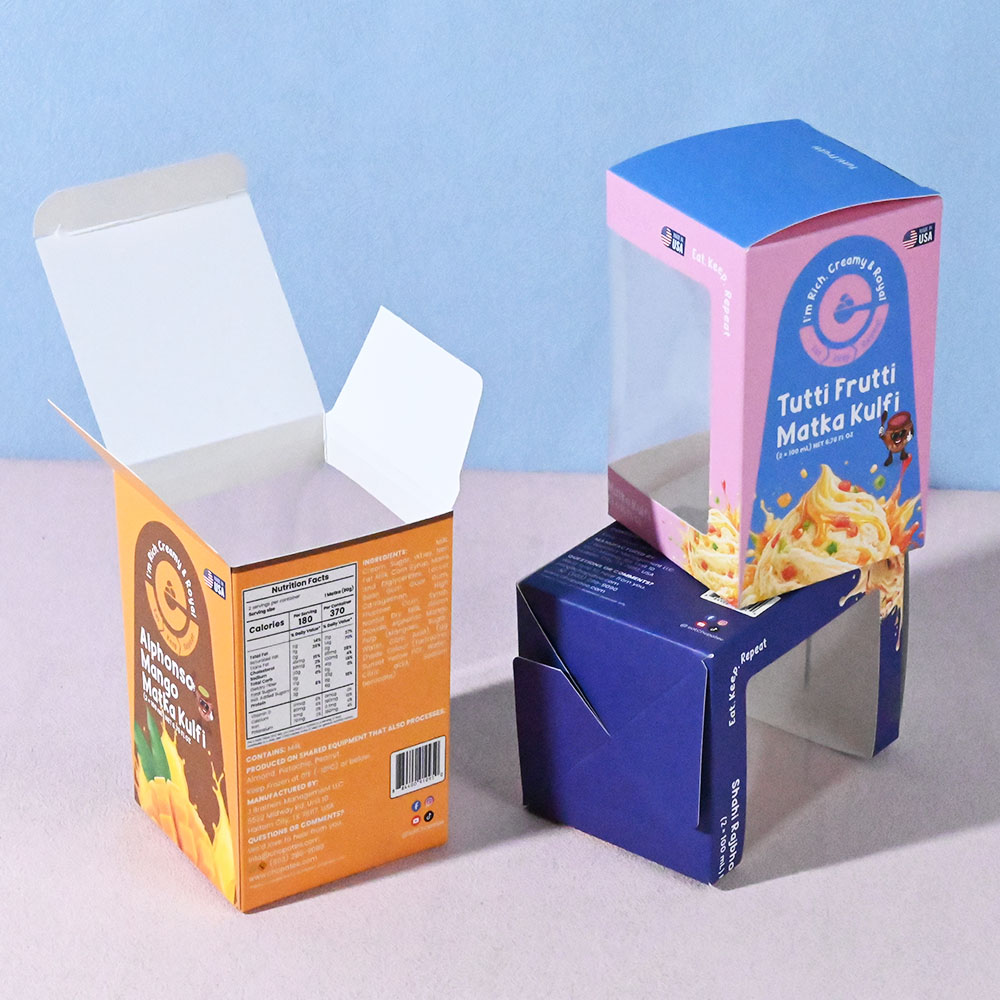
Color is one of the simplest ways to create visual distinctions between product categories. A brand might use different primary colors for dog food, cat food, snacks, and grooming supplies while keeping its logo and basic layout consistent. This approach allows customers to recognize the brand quickly and identify the product category at a glance. However, colors should be selected carefully so that the packaging remains visually balanced. Product names and category labels also need to be easy to find. A package should communicate whether it contains food, treats, shampoo, dental care products, or another item without requiring customers to study the entire design. Clear typography and logical information placement help reduce confusion, especially when several products have similar package sizes or appearances.
Different product lines may also require different packaging structures. Pet food cartons, promotional gift sets, accessory boxes, and small toy packages do not necessarily have the same protection or display requirements. A suitable structure should reflect the product's dimensions, weight, shape, and handling conditions. Using the same box style for every item may simplify design, but it does not always provide the most practical solution. Packaging can help distinguish product variations within the same category as well. For example, a pet food brand may offer different flavors, ingredients, animal sizes, or life-stage formulas. These differences should be visible without making the overall packaging system look disconnected. Small changes in color, product photography, icons, or information panels can create a recognizable visual hierarchy.

The information presented on each package should also match the needs of its product category. Pet food packaging may need space for ingredient details, nutritional information, feeding guidance, and net weight. Grooming products may focus more on product benefits, usage instructions, and suitable coat types. Organizing information according to the product's purpose makes packaging easier to understand and helps customers compare options. Brand consistency becomes especially important when products are sold through different channels. Packaging displayed on supermarket shelves needs to attract attention from a distance, while e-commerce packaging may be viewed mainly through product images. A recognizable logo, consistent visual language, and clear product naming help maintain brand identity across physical stores, online platforms, and promotional campaigns.
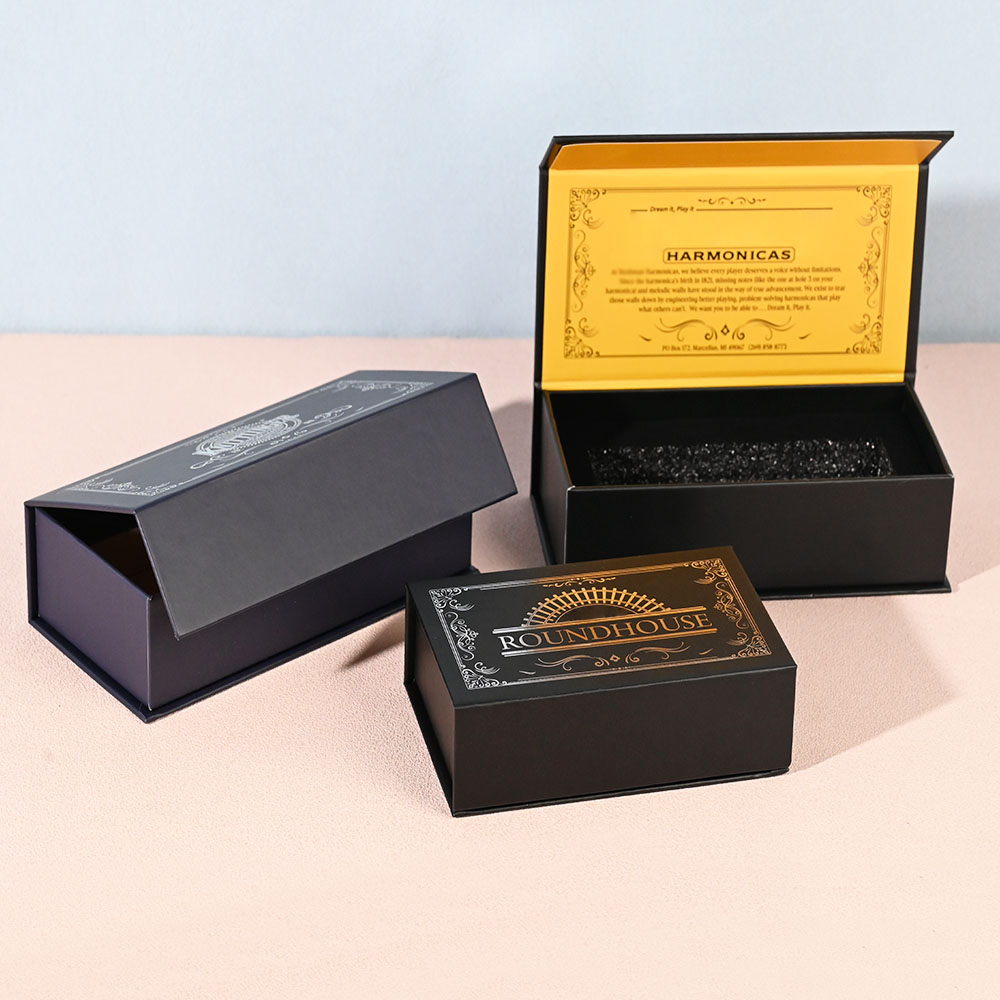
The choice of printing materials and finishing techniques can further support product differentiation. Different paperboard grades, surface textures, matte or gloss lamination, and special printing effects can give selected product lines their own character. These details should be used according to the product's market positioning and budget. A premium pet gift set, for example, may need a different presentation from everyday accessory packaging. As a pet brand introduces new products, its packaging system should be flexible enough to accommodate future changes. A well-planned design template allows new flavors, sizes, or product categories to be added without rebuilding the entire visual identity. This can also make artwork preparation and repeat production more manageable, particularly when several packaging variations are ordered together.
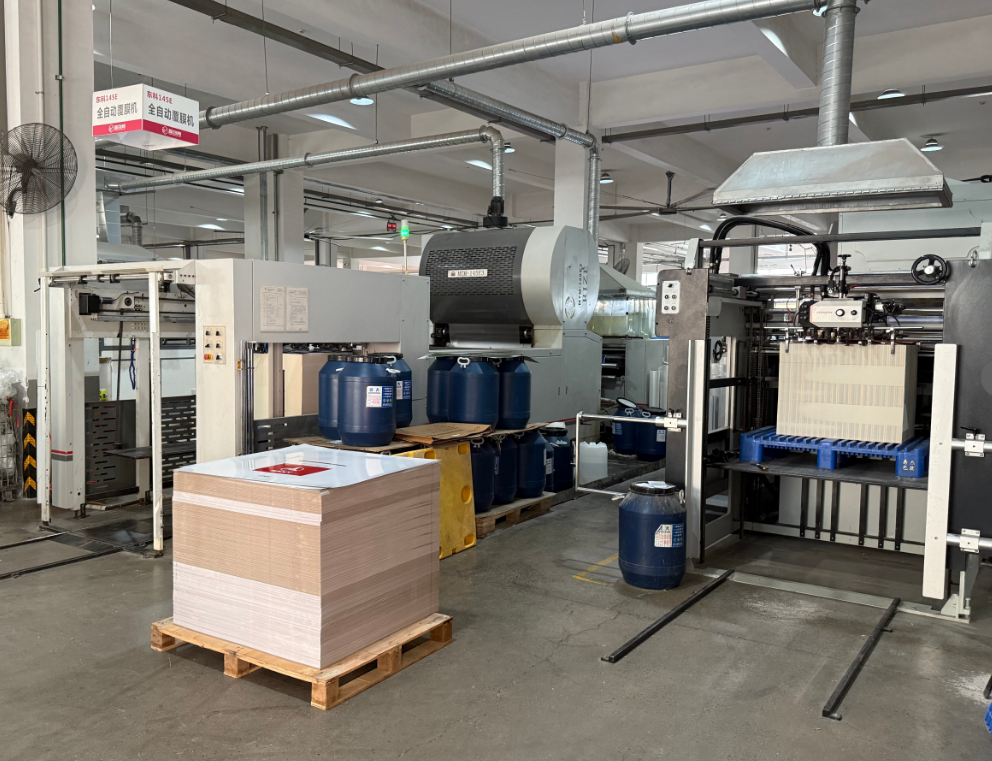
Packaging production requires coordination across multiple designs. Different product lines may share common dimensions, materials, or printing elements, but each version still needs accurate artwork and clear production specifications. Careful pre-press checks help prevent incorrect product names, mismatched colors, misplaced graphics, and other issues that could affect the finished cartons. Consistent quality inspection is equally important when multiple variations are produced in the same order. Ultimately, effective packaging design helps pet brands create a product range that is easier to recognize, navigate, and manage. It connects individual products through a consistent brand identity while giving each category enough visual distinction to communicate its purpose. Wuxi Box Printing Technology Co., Ltd. provides paper packaging solutions, including folding cartons, corrugated color boxes, labels, and other printed products. With its printing equipment and pre-press and post-press production facilities, the company supports businesses in developing packaging for different product categories while maintaining visual consistency and production quality.