

How to Choose the Right Box Structure for Different Food Products
Food packaging needs to do more than make products look attractive on store shelves. It must protect the contents, support convenient handling, and suit the way products are stored, transported, and sold. However, not all food products have the same packaging requirements. A box designed for biscuits may not be suitable for frozen foods, bakery products, or bottled beverages. Choosing the right box structure starts with understanding the characteristics of the product itself. For dry foods such as biscuits, crackers, cereal, and packaged snacks, folding cartons are a common option. They are lightweight, easy to print, and available in various shapes and sizes. These boxes can provide an outer layer of protection while supporting clear product information and attractive branding. If the food is sensitive to moisture or air, however, the carton usually needs to work together with an appropriate inner bag or sealed food container rather than serving as the only protective barrier.
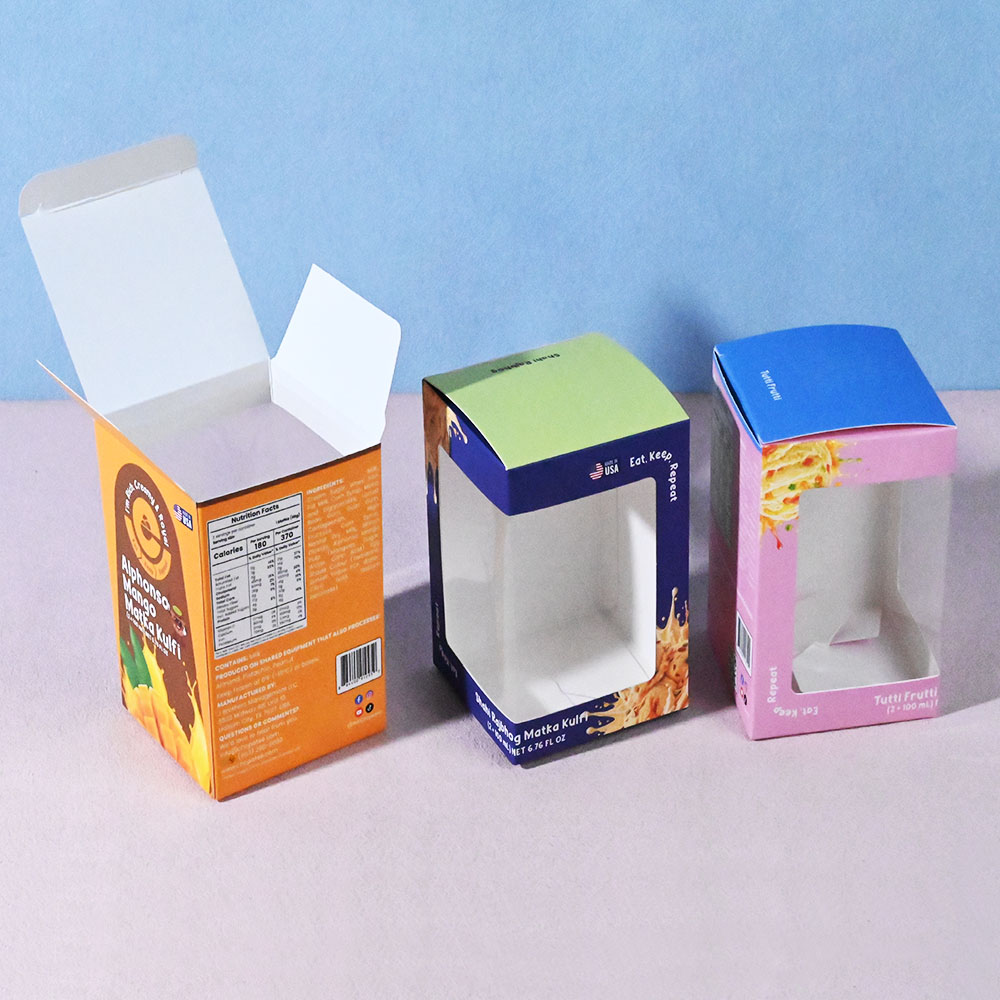
Bakery products require a different approach because their shapes and textures can be easily damaged. Cakes, pastries, cupcakes, and cookies may need boxes with sufficient internal space to prevent contact with the lid or side panels. For decorated cakes and delicate pastries, a stable base and suitable internal support are particularly important. Window designs can also be useful because customers can see the products without opening the package, although the window should not compromise the box's structural stability. For takeaway meals and prepared foods, convenience becomes a major design consideration. Customers need to open, carry, and sometimes reclose the packaging without difficulty. Boxes should have secure closures and enough structural strength to support the food during delivery. Depending on the menu, manufacturers may need to consider grease resistance, moisture exposure, and temperature conditions. The selected paperboard and any barrier treatment must also be appropriate for the intended food-contact application.
Frozen food packaging faces additional challenges because low temperatures and moisture can affect packaging materials. Products may experience condensation when moved between storage and handling environments. A box that performs well under dry conditions may lose some of its strength when exposed to moisture. Manufacturers should therefore consider the expected storage temperature, transportation conditions, and whether the carton will be protected by an additional sealed package. Beverage packaging needs to account for product weight and the possibility of leakage. A carton designed for lightweight drink sachets has different requirements from one used for glass bottles or multiple beverage containers. Heavier products need stronger bottom panels, reinforced structures, and reliable closures. Internal dividers can help prevent individual bottles from colliding during transportation, while handles may make multi-pack cartons easier for customers to carry.
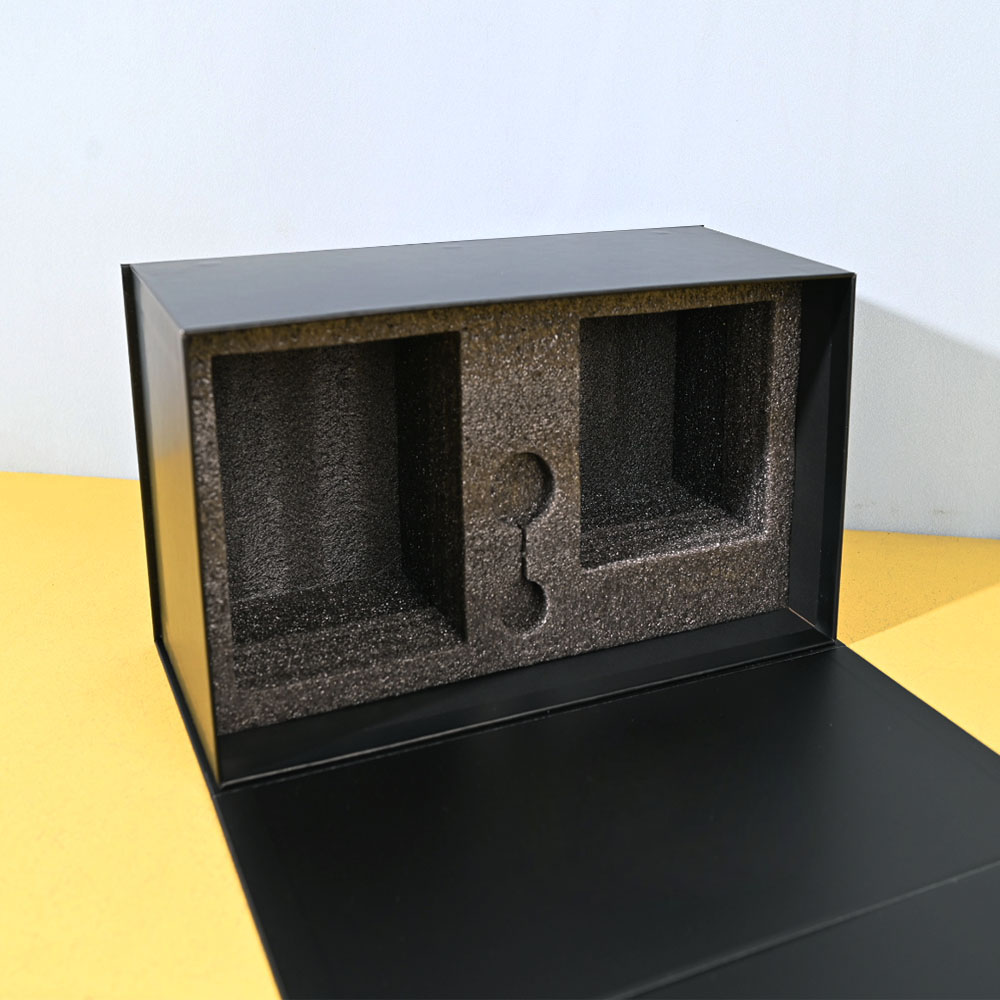
Food gift boxes often place greater emphasis on presentation, but appearance should not come at the expense of protection. Chocolate assortments, premium snacks, tea collections, and seasonal food gifts may contain several different products in one package. Dividers, trays, and custom inserts help keep items organized and prevent movement. The exterior structure should also be easy to open while maintaining a neat appearance throughout storage and delivery. Product dimensions and weight should be measured before deciding on a box structure. A package that is too tight can make filling difficult and may damage the product during insertion. Excessive internal space can allow the contents to move around, increasing the possibility of breakage or deformation. Manufacturers should consider the product's actual shape, including irregular edges, protruding parts, and any additional protective materials needed inside the box.
The opening and closing method is another detail worth considering. Tuck-end cartons are suitable for many lightweight food products, while locking structures may provide additional closure security. Boxes with separate lids can work well for gift packaging and products that need convenient access. The best choice depends on how frequently the package will be opened, whether it needs to be resealed, and how it will be handled during distribution. Printing and finishing requirements should also influence the structural design. Some food boxes need large printed areas for product photography, nutritional information, ingredients, and branding. Others may benefit from transparent windows or specific decorative finishes. The position of these elements should be planned around the cutting lines, folding areas, and glue flaps. In addition, all inks, coatings, adhesives, and other materials used in food packaging should be selected according to their intended application and applicable safety requirements.
Production efficiency is another factor that businesses should not overlook. A complicated box structure may look impressive but could require additional assembly time, specialized tooling, or more material. For products packed in large quantities, a structure that can be folded and filled efficiently may offer greater practical value. Packaging manufacturers should evaluate whether the selected design is suitable for manual packing or automated production lines before approving it for mass manufacturing. Before placing a large order, testing a physical sample with the actual food product is highly recommended. Buyers should check the internal fit, closure performance, stacking stability, and overall appearance. If the package will be exposed to refrigeration, freezing, or transportation conditions, relevant tests should be included. A sample that looks good when empty may behave differently once filled, making practical evaluation an important part of the development process.
Choosing the right food box structure involves balancing product protection, customer convenience, visual presentation, and manufacturing costs. There is no single design that works for every food category, and even similar products may require different packaging depending on their weight, shape, and distribution environment. At Wuxi Box Printing Technology Co., Ltd., attention to paperboard selection, structural design, printing, and post-press processing helps support different food packaging requirements. With careful planning and sample testing, businesses can develop packaging that protects their products while presenting their brands effectively.