

How Paper Selection Changes the Reading Experience of a Printed Book
When people choose a printed book, they usually pay attention to its title, content, cover design, and price. However, one detail that often goes unnoticed is the paper used for its pages. Paper selection can significantly influence how a book feels, looks, and performs during everyday use. From the brightness of the pages to the ease of turning them, different paper characteristics can create very different reading experiences. Paper color is one of the first things readers notice when opening a book. Bright white paper creates a clean and sharp appearance, making it suitable for textbooks, technical publications, and books containing detailed images. Cream or off-white paper offers a softer visual effect and is commonly used for novels and literary publications. The choice often depends on the book's content, design style, and intended reading environment.
Brightness and opacity are also important considerations. Highly bright paper can make printed text appear more distinct, but excessive brightness may not be comfortable for every reader, particularly during long reading sessions. Opacity refers to how much light passes through the paper. If the paper is too transparent, text and images printed on the reverse side may become visible, distracting readers and reducing the clarity of the page. Paper thickness influences both the physical feel and overall structure of a book. Thicker paper generally creates a more substantial impression and may be suitable for art books, product catalogues, and publications with high-quality photographs. However, using thick paper for every page can make a book unnecessarily heavy and increase production costs. For novels or educational books with many pages, a lighter paper may provide a more practical balance between durability and portability.
Surface texture can change how readers interact with a printed publication. Smooth paper often produces sharp text and detailed images, making it suitable for publications that require precise printing results. Slightly textured paper can create a more natural or traditional appearance, which may complement certain literary and specialty publications. The right surface should support the visual style of the book without making the text difficult to read. The relationship between paper and ink is another factor that affects reading quality. Different paper surfaces absorb ink differently, influencing how sharp the printed characters appear. On some uncoated papers, ink may spread slightly into the fibers, while coated papers can help retain finer image details. Selecting compatible paper and printing methods helps maintain clear text, consistent color, and a professional finished appearance.

Books containing photographs and illustrations often require different paper considerations from text-heavy publications. A photography book needs paper that can reproduce image details, contrast, and color accurately. Art books may benefit from heavier coated paper that supports rich visual presentation. In contrast, a novel with mostly black text may not need the same level of surface refinement. Matching the paper to the content helps avoid unnecessary production expenses. Weight is particularly important for books intended for frequent reading or transportation. A heavy book may be appropriate for a premium reference publication, but it can become inconvenient when readers want to carry it in a bag or read it while travelling. Publishers need to consider the relationship between paper weight, page count, and finished book dimensions. Choosing an appropriate grade can make a noticeable difference to the reader's overall experience.
Paper flexibility also affects how comfortably a book opens and stays in position. If the paper is too stiff, turning pages may require additional effort, especially in thicker publications. If it is too thin or weak, pages may become damaged through repeated handling. The selected paper should work well with the intended binding method so that the book can open naturally without placing unnecessary stress on the spine. Durability is another consideration, particularly for textbooks, manuals, children's books, and reference materials. These publications may be handled frequently, stored for long periods, or used in environments where pages are exposed to wear. Paper strength, resistance to tearing, and overall stability can influence how well a book maintains its condition. The cover and binding also contribute to durability, so all components should be considered together.
Production requirements can sometimes limit the available paper choices. Certain paper grades may be more suitable for specific printing machines, binding methods, or finishing processes. Paper thickness can affect folding accuracy, while surface characteristics may influence drying time and finishing results. Discussing these requirements during the design stage allows publishers and printing manufacturers to select materials that meet both visual expectations and production conditions. Cost is naturally part of the decision. Premium paper may improve the appearance and feel of a book, but it can also increase material expenses, transportation weight, and overall production costs. The most expensive paper is not necessarily the best option for every publication. Publishers should identify the qualities that matter most to their readers and choose a paper grade that delivers the desired experience within the available budget.
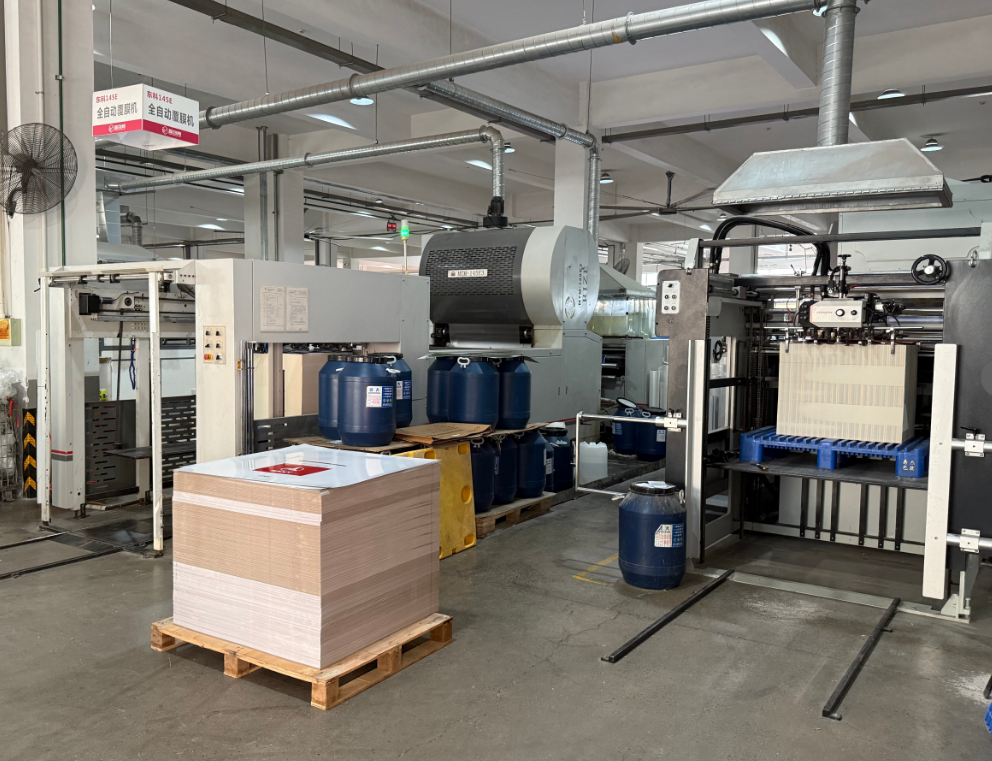
Before starting mass production, reviewing printed samples is a useful way to evaluate paper performance. Publishers can compare different paper colors, weights, textures, and opacity levels to see how they work with the actual content. Checking both sides of printed pages, turning the sheets, and examining photographs under normal lighting can reveal differences that are difficult to judge from paper specifications alone. Ultimately, paper selection is not simply a technical decision made during printing. It influences how readers see, touch, carry, and interact with a book. At Wuxi Box Printing Technology Co., Ltd., careful material selection and printing quality are important considerations in producing printed materials such as books, brochures, catalogues, and other paper products. By matching paper characteristics with the purpose of each publication, printing manufacturers can help create books that are visually appealing, comfortable to read, and suitable for long-term use.