

Why Paper Weight Matters When Choosing Business Printing Materials
Business printing materials are often the first physical representation of a company that customers encounter. Whether it is a brochure, product catalogue, business card, leaflet, or corporate presentation, the quality of the paper influences both its appearance and how it feels in the hands. Among the many factors involved in paper selection, paper weight deserves particular attention because it affects durability, flexibility, printing performance, and the overall impression of the finished product. Paper weight is commonly expressed in grams per square meter, abbreviated as GSM. This measurement indicates how much a square meter of paper weighs. Although higher GSM generally means heavier paper, it does not automatically mean that the material is better for every printing application. The right weight depends on the purpose of the printed item, its expected use, and the desired balance between appearance and practicality.
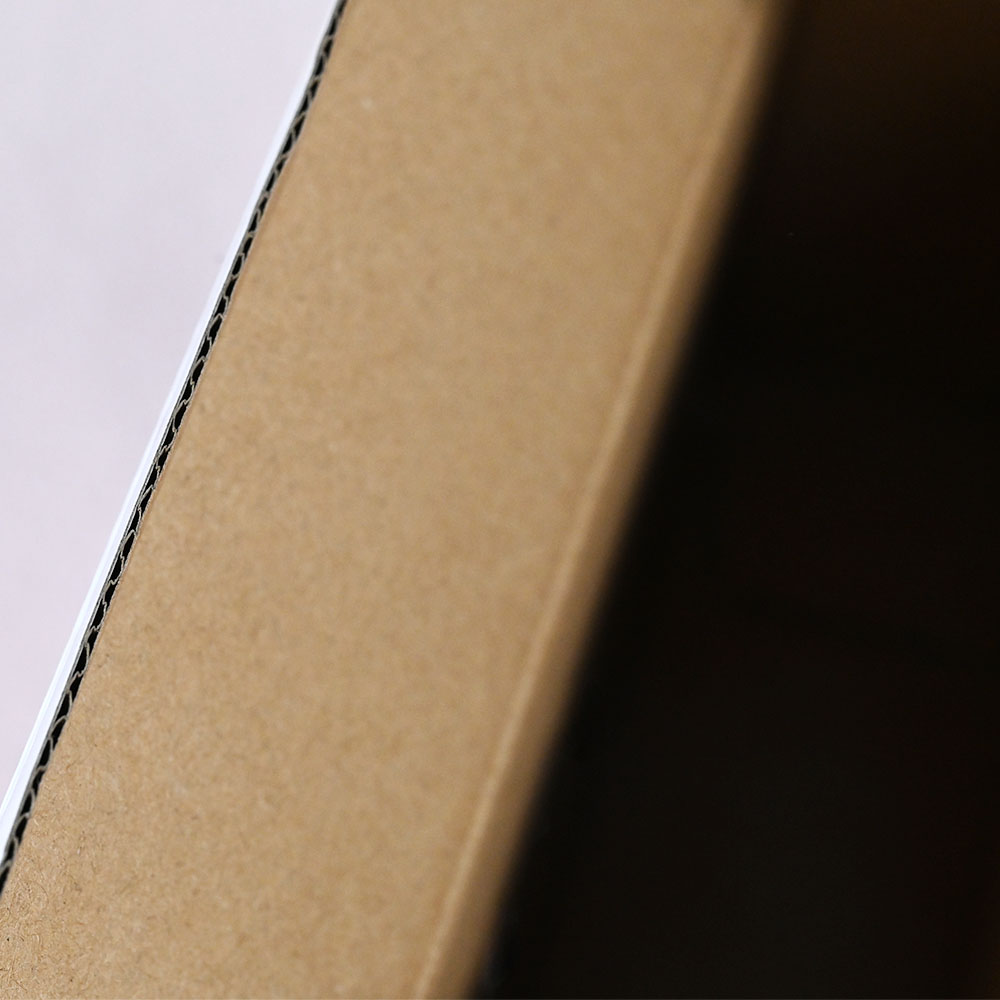
For business cards, paper weight is especially noticeable. A card printed on heavier paper often feels more substantial and can create a stronger impression of quality. However, thickness and stiffness also depend on the paper's composition and manufacturing characteristics. Selecting a suitable board or card stock helps ensure that the card remains comfortable to handle while presenting the company's information clearly. Brochures and leaflets require a different approach. These materials are often designed to be folded, distributed, or carried by customers. Paper that is too heavy may make folding difficult or increase mailing costs, while paper that is too light may feel flimsy and become damaged easily. A balanced paper weight allows the printed material to maintain a professional appearance without sacrificing convenience.
Product catalogues also benefit from careful paper selection. The pages need to support text, photographs, charts, and product specifications while remaining easy to turn. If the paper is too thin, printed images may show through from the reverse side, especially when large areas contain dark ink. A suitable weight and opacity can help improve readability and make the catalogue more comfortable to use. Paper weight influences the way a printed item responds to finishing processes. Folding, creasing, laminating, and binding all place different demands on the material. Heavier paper may require more precise creasing to prevent cracking along fold lines, while lighter paper may be easier to fold but less resistant to repeated handling. Considering finishing requirements during paper selection helps avoid production problems later.
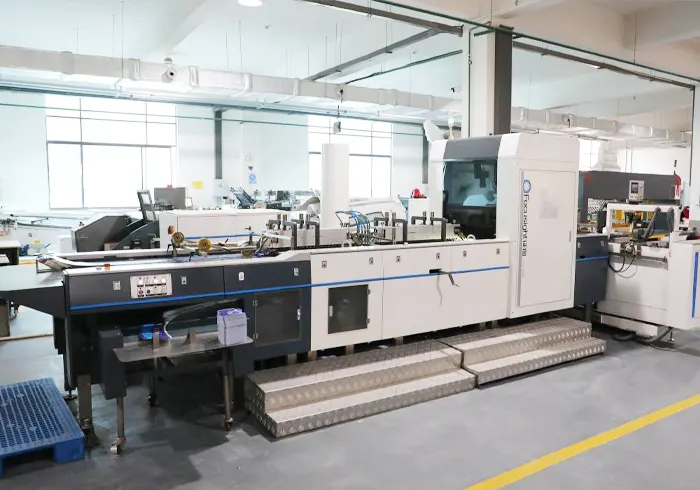
The printing process itself can also be affected by paper weight and surface characteristics. Different materials absorb ink differently, and their surface smoothness can influence how fine details and colors appear. A heavier paper with a suitable coating may support sharp images and a refined finish, but the final result still depends on the relationship between paper quality, ink, and printing settings. Another important consideration is the intended lifespan of the printed material. A temporary promotional leaflet may only need to remain in good condition for a short period, whereas a company profile or product catalogue may be used repeatedly over several months. Choosing paper weight according to the expected frequency of use helps businesses avoid spending unnecessarily on materials that provide more durability than required.
Paper weight can also affect transportation and storage. Heavier materials increase the total weight of a printing order, which may influence shipping expenses and handling requirements. For companies ordering large quantities of brochures, manuals, or promotional materials, even a small difference in paper weight can become significant when multiplied across thousands of copies. The visual identity of a business should be considered alongside practical requirements. A premium corporate brochure may benefit from a thicker cover and lighter inner pages, creating a clear distinction between the exterior and the content. This combination can provide a refined appearance while keeping the finished publication manageable in size and weight.
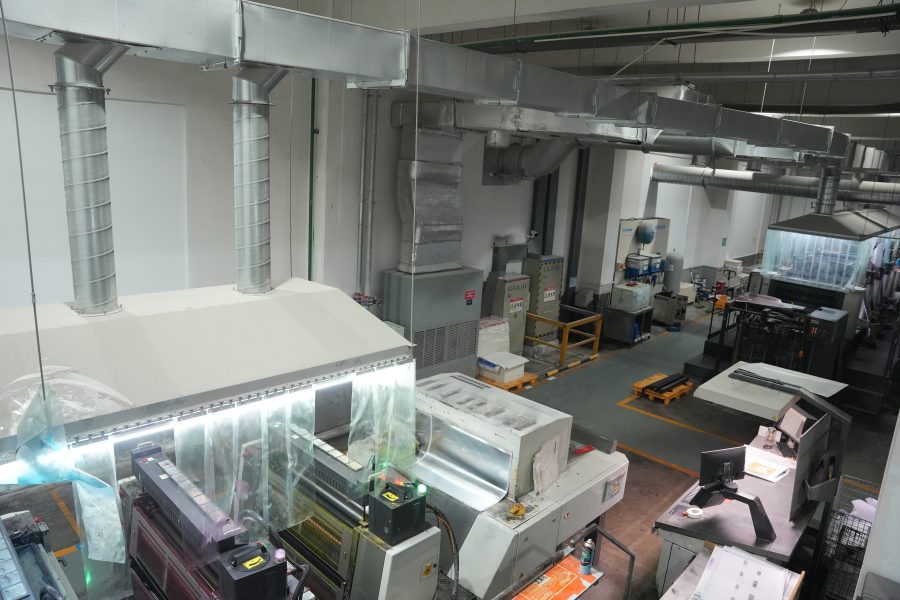
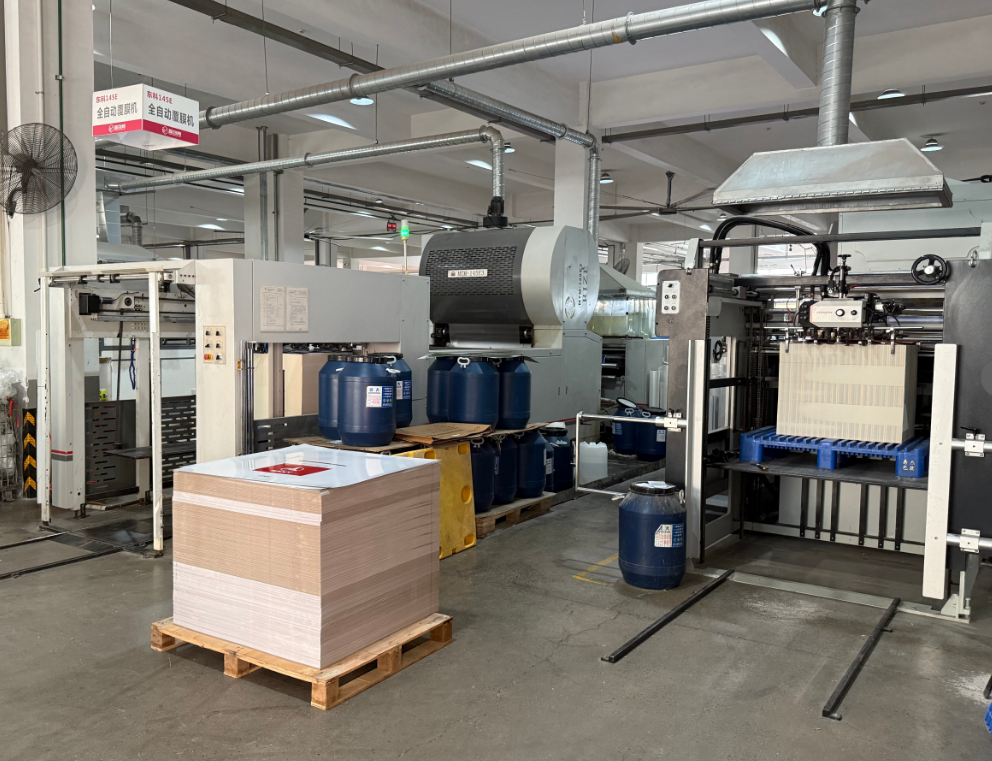
Before confirming a paper specification, businesses should review samples rather than relying only on GSM numbers. Comparing different paper weights helps reveal differences in stiffness, texture, opacity, folding behavior, and overall feel. A printed sample is even more useful because it shows how the selected material performs with the actual artwork and finishing requirements. Ultimately, paper weight is not simply a technical specification. It is a decision that influences how business printing materials look, function, and communicate a company's image. Wuxi Box Printing Technology Co., Ltd. produces a range of printed materials, including brochures, catalogues, paper bags, labels, and packaging cartons. With professional printing equipment and supporting pre-press and post-press facilities, the company helps businesses select and produce printed materials that meet their presentation and practical requirements.