

Designing Compact Packaging for Urban Consumers
As urban populations continue to grow, consumer lifestyles are becoming increasingly fast-paced, space-conscious, and convenience-driven. Designing compact packaging for urban consumers is no longer just a design trend—it is a strategic response to modern living conditions. Limited storage space, frequent mobility, and smaller households all influence how products are purchased, stored, and used. Urban consumers often live in apartments where kitchen cabinets, bathroom shelves, and closets offer limited capacity. Bulky packaging can quickly become inconvenient. Compact, thoughtfully structured boxes allow products to fit neatly into tight spaces without sacrificing protection or visual appeal. Efficient sizing demonstrates that a brand understands the practical realities of city living.
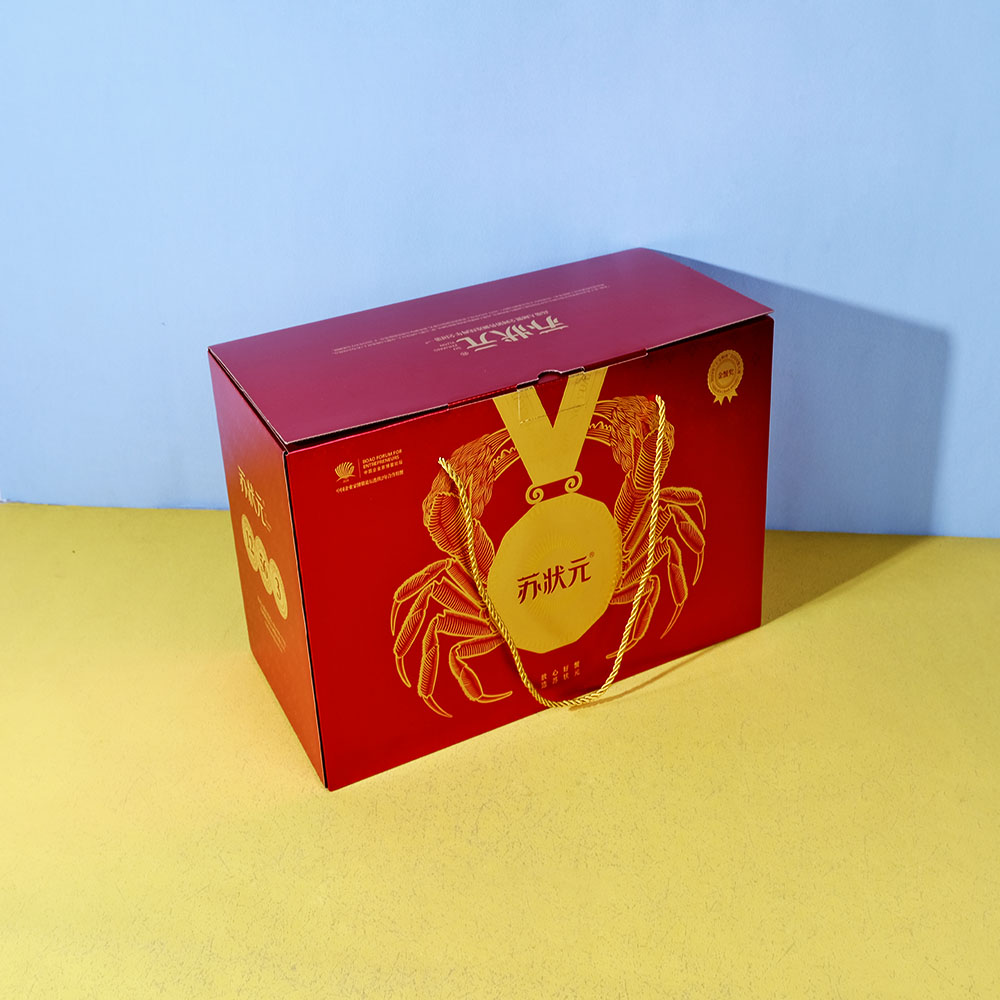
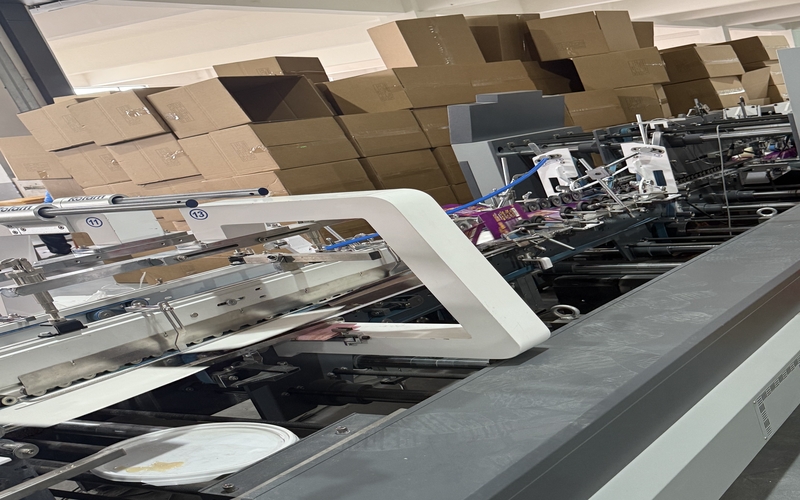
Portability is another key consideration. City residents frequently commute using public transportation, walk between destinations, or carry multiple shopping bags at once. Lightweight, easy-to-carry packaging with secure closures makes a noticeable difference. Ergonomic handles, slim profiles, and durable yet lightweight materials enhance convenience while maintaining product safety. Right-sizing is essential in compact packaging design. Eliminating unnecessary empty space reduces both material use and overall volume. Custom-fit folding cartons or corrugated boxes that match the product’s dimensions minimize bulk and optimize shelf presence. Precision die-cutting and intelligent structural engineering ensure that strength is maintained even when dimensions are reduced.
Stack ability also plays a critical role. Compact packages designed with flat tops and stable bases allow efficient vertical storage in small apartments and retail environments. In e-commerce logistics, stack able designs reduce shipping space and lower transportation costs, benefiting both brands and consumers. Minimalist aesthetics often complement compact packaging. Clean layouts, refined typography, and clear product information create a modern appearance that appeals to urban buyers. Instead of overwhelming graphics, strategic design elements emphasize clarity and sophistication. This approach aligns with contemporary preferences for simplicity and functionality.
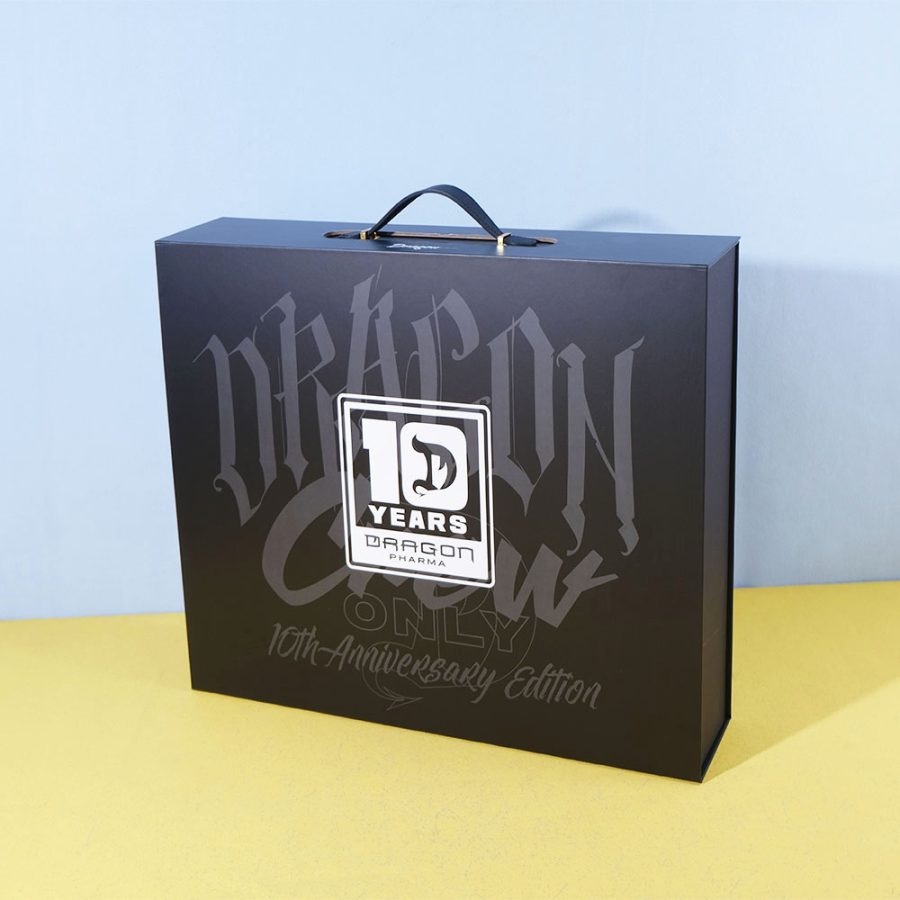
Sustainability is particularly important in urban markets. Many city consumers are environmentally conscious and value reduced material usage. Compact packaging inherently supports sustainability goals by lowering paper consumption and decreasing shipping weight. When combined with responsibly sourced materials and recyclable components, compact design becomes both practical and responsible. Multi-functionality can further enhance compact packaging. Boxes that transform into storage containers or include resealable features extend usability beyond the initial purchase. This added value resonates with consumers who appreciate efficient use of space and resources.
In retail settings, compact packaging allows more units to be displayed within limited shelf areas, increasing visibility and availability. For brands, this means stronger presence in small urban stores. For consumers, it means easier access to desired products without overcrowded displays. Technology and advanced printing methods also support compact design. Precise color management, sharp printing, and high-quality finishes ensure that even smaller surfaces maintain strong visual impact. Despite reduced dimensions, the packaging must still communicate brand identity clearly and confidently. Ultimately, designing compact packaging for urban consumers requires balancing efficiency, strength, aesthetics, and sustainability. It demands thoughtful engineering and creative design to deliver maximum functionality within minimal space. Brands that successfully embrace compact solutions demonstrate awareness of modern lifestyles, building stronger connections with urban customers who value practicality without compromising quality.