

How to Balance Cost and Quality in Packaging Design Decisions
Balancing cost and quality in packaging design is one of the most important challenges for any brand. Packaging must protect the product, reflect brand identity, and remain financially sustainable. Focusing too much on cost can lead to weak materials and poor presentation, while overinvesting in premium features can reduce profitability. The key lies in making smart, strategic decisions that deliver the best value rather than simply choosing the cheapest or most expensive options. The first step is understanding the true requirements of the product. Not every product needs heavy-duty or luxury packaging. Factors such as weight, fragility, shelf life, and shipping conditions determine the level of protection required. By clearly defining these needs, companies can avoid over-engineering packaging and focus resources where they matter most.
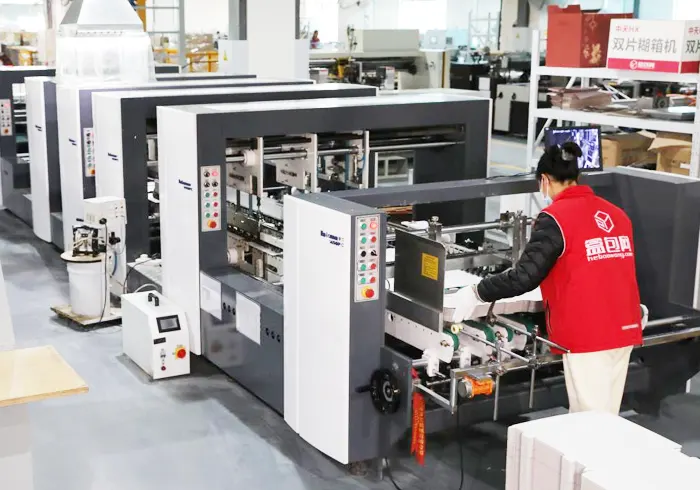
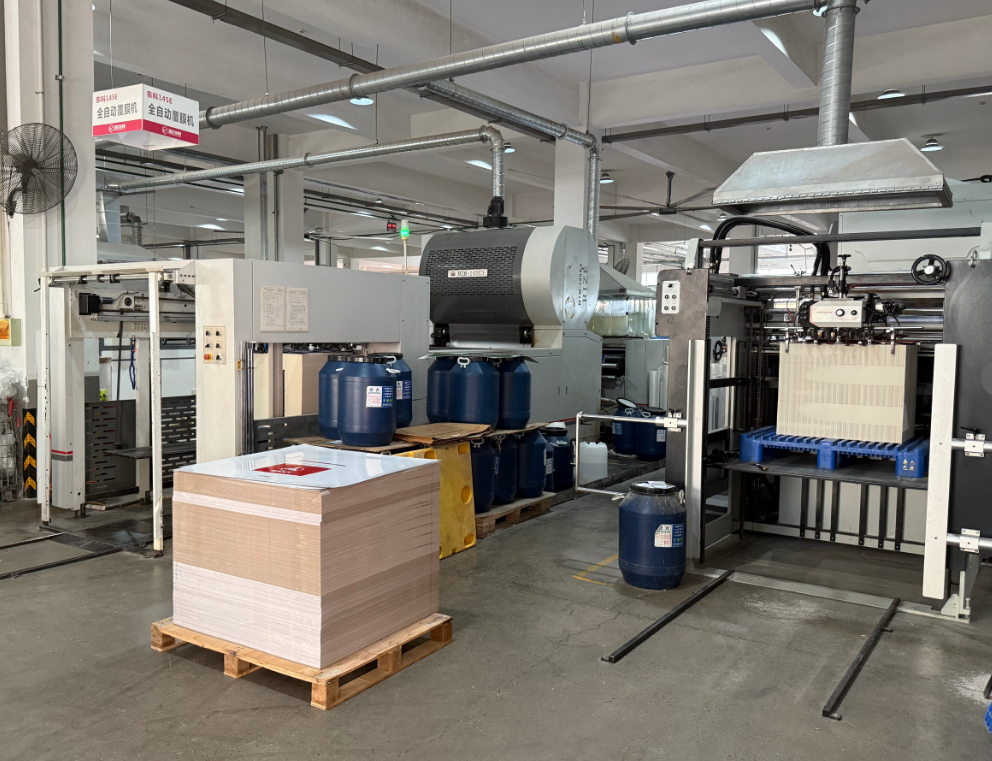
Material selection plays a central role in balancing cost and quality. High-quality paperboard or corrugated materials can provide excellent strength without unnecessary thickness. Instead of choosing the most expensive materials, effective design uses the right grade and structure to achieve durability. Lightweight yet strong materials can reduce both production and shipping costs while maintaining performance. Structural design is another area where efficiency can be achieved. Well-engineered packaging distributes pressure evenly and maximizes strength through design rather than excess material. Features such as reinforced folds, optimized fluting, or smart locking mechanisms can improve durability without increasing cost. A good structure often delivers better results than simply adding more layers.
Printing decisions also influence both cost and perceived quality. Full-color, high-resolution printing with multiple finishing techniques can elevate brand image, but not every product requires complex decoration. Strategic use of color, clean layouts, and selective finishes—such as spot UV or embossing—can create a premium look without excessive expense. Focusing on key visual elements often delivers stronger impact than overloading the design. Standardization is an effective way to control costs. Using consistent box sizes, materials, and design frameworks across multiple products simplifies production and reduces setup time. This approach allows companies to scale efficiently while maintaining a unified brand identity. Standardization also helps minimize waste and improve inventory management.
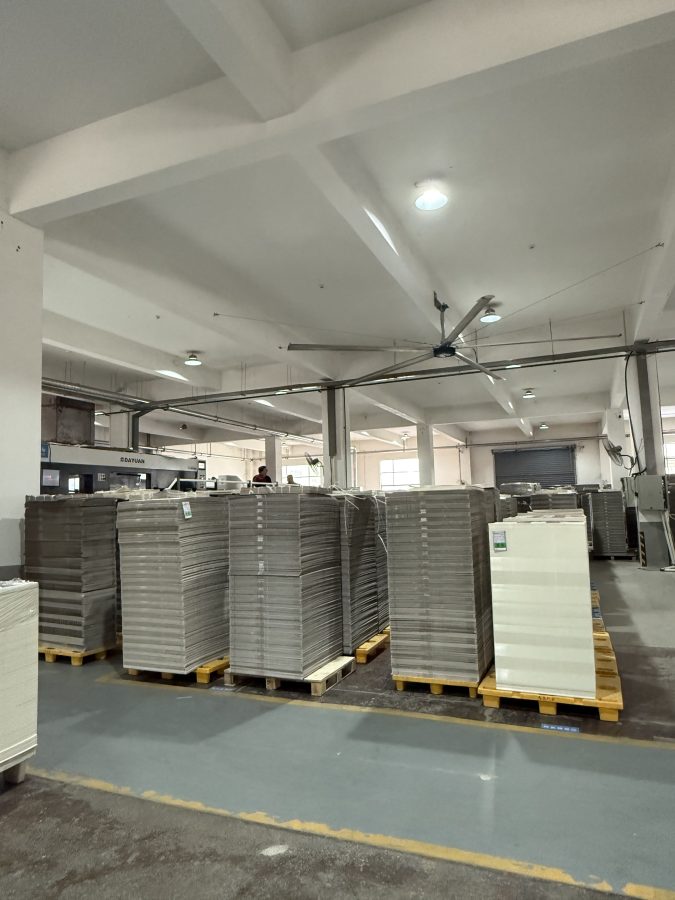
Production volume should also be considered. Larger production runs often reduce unit costs due to economies of scale. Planning packaging needs in advance and consolidating orders can lead to significant savings. At the same time, brands must balance this with flexibility to adapt to market changes or product updates. Testing and quality control are essential to avoid hidden costs. Poor packaging can lead to product damage, returns, and customer dissatisfaction, which are far more expensive than initial production savings. Investing in proper testing—such as drop and compression tests—ensures that packaging performs reliably under real conditions, protecting both the product and the brand.
Sustainability can also support cost-quality balance. Reducing material usage, eliminating unnecessary components, and choosing recyclable options can lower costs while appealing to environmentally conscious consumers. Efficient design often aligns with both financial and environmental goals. Collaboration with an experienced packaging partner is another key factor. A knowledgeable manufacturer can recommend cost-effective materials, optimize structures, and suggest practical design improvements. Their expertise helps identify opportunities to reduce costs without compromising quality.
Ultimately, balancing cost and quality is about making informed decisions at every stage of the packaging process. By focusing on functionality, smart design, and strategic use of materials and printing, brands can create packaging that is both cost-efficient and high-performing. This balanced approach not only protects profitability but also ensures that the packaging continues to support product success and brand reputation.