

How Clear Label Printing Improves Regulatory Compliance
In highly regulated industries such as food, pharmaceuticals, cosmetics, and chemicals, packaging is not just about branding—it is a legal requirement. Labels must communicate accurate, complete, and readable information to ensure consumer safety and meet government regulations. Clear label printing plays a critical role in achieving regulatory compliance by ensuring that every detail is visible, accurate, and professionally presented. One of the most important aspects of compliance is readability. Regulations often specify minimum font sizes, contrast levels, and layout requirements for essential information such as ingredients, dosage instructions, warnings, and expiration dates. If text is too small, blurred, or poorly printed, it can lead to non-compliance even if the correct information is technically present. High-quality printing ensures that all text remains sharp and legible under different lighting conditions.
Accuracy is equally essential. Labels must display correct product information, including barcodes, batch numbers, manufacturing dates, and regulatory symbols. Clear printing reduces the risk of errors such as smudged barcodes or misaligned text that could disrupt scanning systems or create confusion. Accurate labels support smooth distribution and traceability throughout the supply chain. Consistency across production batches is another key factor. Regulatory authorities expect uniform labeling for products sold in the same market. Variations in color, layout, or content can raise concerns about authenticity or quality control. Advanced printing technology and standardized processes help ensure that every label meets the same specifications, reinforcing both compliance and brand credibility.
Clear label printing also supports multilingual requirements. Many products are sold across different regions where multiple languages must appear on the same package. Proper spacing, alignment, and typography are necessary to present all required information without overcrowding. Professional printing ensures that multilingual labels remain organized and easy to read, reducing the risk of misunderstandings. Durability is another important consideration. Labels must remain intact and readable throughout the product’s lifecycle, from manufacturing and transportation to storage and final use. Exposure to moisture, heat, friction, or chemicals can damage poorly printed labels. High-quality inks, coatings, and materials ensure that critical information does not fade, peel, or become illegible over time.
In industries like pharmaceuticals and food, compliance also involves safety and traceability. Batch numbers and serial codes must be clearly printed to enable tracking in case of recalls or quality issues. If these elements are unclear or damaged, it can delay response times and increase risk. Reliable printing ensures that traceability systems function effectively. Clear labeling also builds consumer trust. When packaging presents information in a clean, organized, and professional manner, customers feel more confident about the product’s safety and authenticity. This is particularly important for first-time buyers or for products that directly affect health and wellbeing.
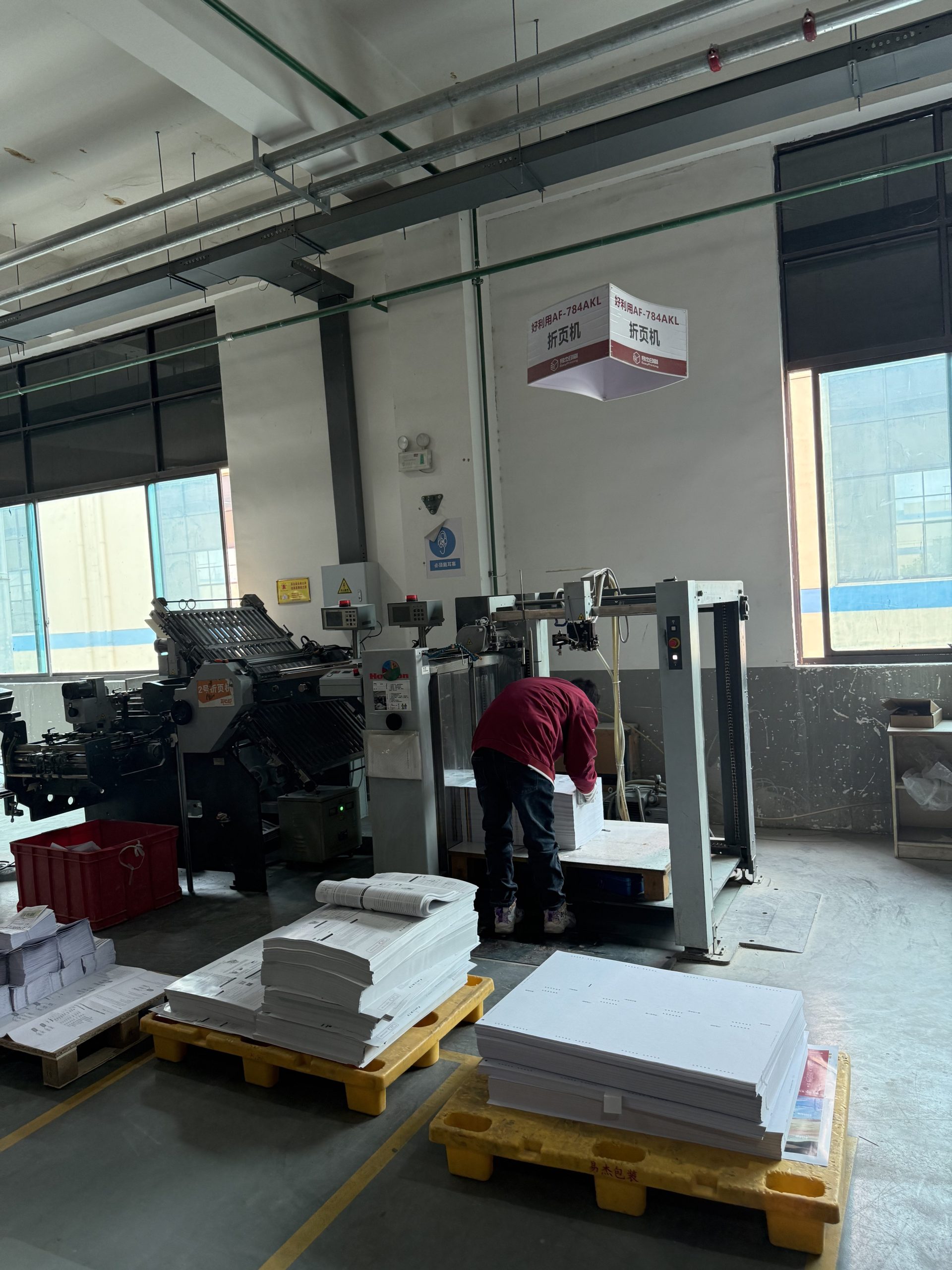
From a production standpoint, proper proofing and quality control are essential steps in achieving clear label printing. Reviewing print proofs before mass production helps identify potential issues with layout, color contrast, or readability. Continuous inspection during production ensures that standards are maintained across all units. Ultimately, clear label printing is a vital part of regulatory compliance. It ensures that products meet legal requirements, supports efficient supply chain operations, and protects consumer safety. By investing in precise printing, durable materials, and consistent quality control, brands can avoid costly errors while strengthening their reputation for reliability and professionalism.