

How Packaging Affects Product Protection in the Supply Chain
Packaging plays a far greater role than simply presenting a product attractively. Behind the scenes, it serves as the frontline defense that protects goods as they move from factory floors to distribution centers, retail shelves, and customers’ homes. In today’s complex global supply chains—where products are handled by multiple partners, stored in varying conditions, and transported across long distances—proper packaging has become critical in safeguarding product integrity. The right design can prevent damage, reduce costs, and reinforce customer trust, while poor packaging can create serious losses throughout the supply cycle. Every product, regardless of size or industry, faces risks once it leaves the production line. Boxes can be stacked, dropped, compressed, or exposed to vibration during transportation. Temperature and humidity may fluctuate in warehouses or shipping containers. Even the slightest weakness in structural design can lead to crushed corners, dented containers, or compromised product quality. Packaging must therefore be engineered not just for appearance, but for durability, strength, and real-world performance. By choosing the right materials, structure, and finishing, brands can drastically reduce the chances of product damage before it reaches the end user.
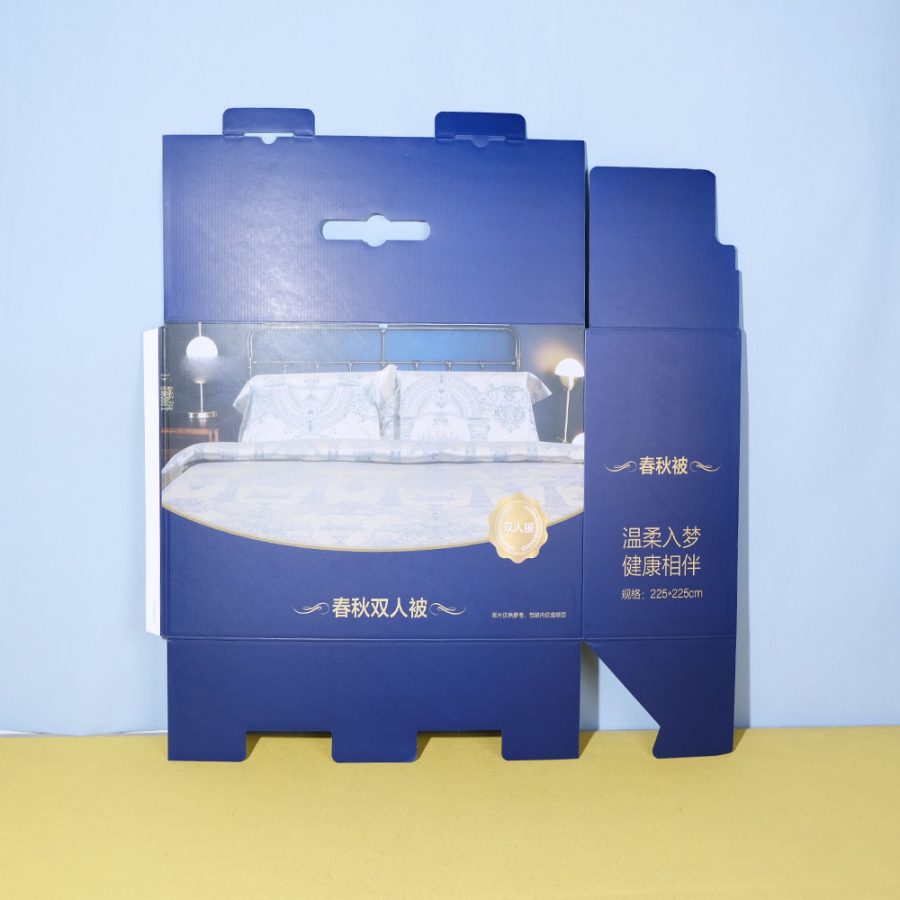
The structural design of a package is one of the most important elements in supply chain protection. Designers must consider the product’s weight, shape, fragility, and stacking requirements. Reinforced folding cartons, corrugated inserts, and compartment layouts are often used to support and stabilize products. For delicate items such as cosmetics, electronics, or glass containers, internal partitions or custom foam or paperboard trays prevent movement and absorb impact. The best packaging solutions balance material efficiency with strength, ensuring that reinforcement is provided where it is needed rather than adding unnecessary bulk. Material selection also plays a vital role in protecting products during transport. While lightweight packaging helps reduce shipping costs, it must remain strong enough to withstand pressure and handling shocks. Quality paperboard, double-walled corrugated structures, and laminated surfaces increase resilience without compromising sustainability goals. For products sensitive to moisture or oils—such as food, pharmaceuticals, or hygiene items—protective coatings ensure barrier performance and product safety. Each material decision contributes to whether a product arrives intact or becomes part of a costly return.
Logistics efficiency is closely tied to smart packaging choices. When boxes are consistently sized and structurally optimized, they stack better on pallets, fill shipping containers more effectively, and reduce the empty space that leads to compression damage. Efficient packaging also lowers transportation emissions by improving space utilization. In e-commerce, packaging performs an additional task: protecting goods through courier systems where packages may face dozens of handoffs. Durable packaging reduces customer complaints, product replacements, and negative reviews—making it essential for brands that rely on online sales. Reducing supply chain waste is another major benefit of thoughtfully engineered packaging. Damaged goods not only incur replacement and shipping costs but also contribute to landfill waste, creating environmental and financial consequences. Packaging that protects effectively helps brands lower overall carbon footprint and maintain sustainability commitments. Many companies now pair FSC-certified materials with strong mechanical design to achieve both resilience and responsibility. Smarter packaging reduces material usage while preventing product loss—a critical balance for modern supply chains.
The customer experience is also shaped by how well packaging performs. When a consumer receives a damaged product, their disappointment often overshadows even the best branding or pricing. Replacements, returns, and inconvenience can push customers toward competitors. On the other hand, when a product arrives perfectly intact—even after traveling halfway around the world—it signals reliability and professionalism. Packaging that performs well builds trust, protects brand reputation, and encourages repeat business. Ultimately, packaging is a strategic investment in product protection, cost control, and customer satisfaction. By combining thoughtful design, quality materials, strength-testing, and manufacturing precision, brands can ensure that every product reaches its destination exactly as intended. As supply chains become more complex and global, the importance of protective packaging will only continue to grow—proving that what surrounds a product is just as important as the product itself.