

How Packaging Helps Brands Adapt to Changing Consumer Trends
In today’s fast-changing marketplace, consumer preferences evolve rapidly, influenced by lifestyle shifts, technology, sustainability concerns, and cultural trends. For brands, staying relevant requires more than just updating products—it demands adaptability in how those products are presented. Packaging plays a crucial role in helping brands respond quickly and effectively to these changing consumer trends. One of the most important ways packaging supports adaptability is through design flexibility. Modern packaging systems allow brands to refresh visual elements such as colors, graphics, and messaging without completely redesigning the structure. This enables companies to align their packaging with current trends—whether it is minimalist aesthetics, bold visual styles, or seasonal themes—while maintaining brand identity.
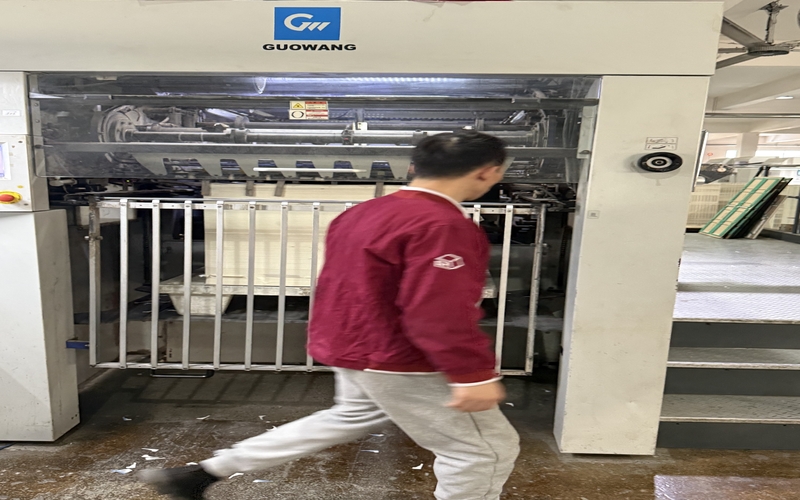
Speed is another key factor. As trends emerge quickly, brands need packaging solutions that can keep up. Advanced printing technologies and streamlined production processes make it possible to produce updated packaging in shorter time frames. This allows brands to launch trend-driven products, limited editions, or promotional designs at the right moment, maximizing market impact. Sustainability trends have become one of the most influential forces shaping consumer behavior. Many customers now expect eco-friendly packaging that reduces environmental impact. Brands can respond by adopting recyclable materials, reducing excess packaging, and using responsible sourcing practices. Packaging becomes a visible expression of a company’s commitment to sustainability, helping it connect with environmentally conscious consumers.
Convenience is another evolving expectation. Urban lifestyles, e-commerce growth, and busy daily routines have increased demand for packaging that is easy to carry, open, store, and dispose of. Features such as resealable closures, compact designs, and lightweight materials improve usability and align with modern consumer needs. Brands that prioritize convenience through packaging design gain a competitive advantage. Digital influence has also reshaped packaging requirements. Social media platforms encourage visually appealing and shareable designs. Packaging that looks attractive in photos and videos can significantly increase brand exposure. Eye-catching finishes, unique structures, and thoughtful unboxing experiences make products more engaging in digital environments, helping brands stay relevant in online conversations.
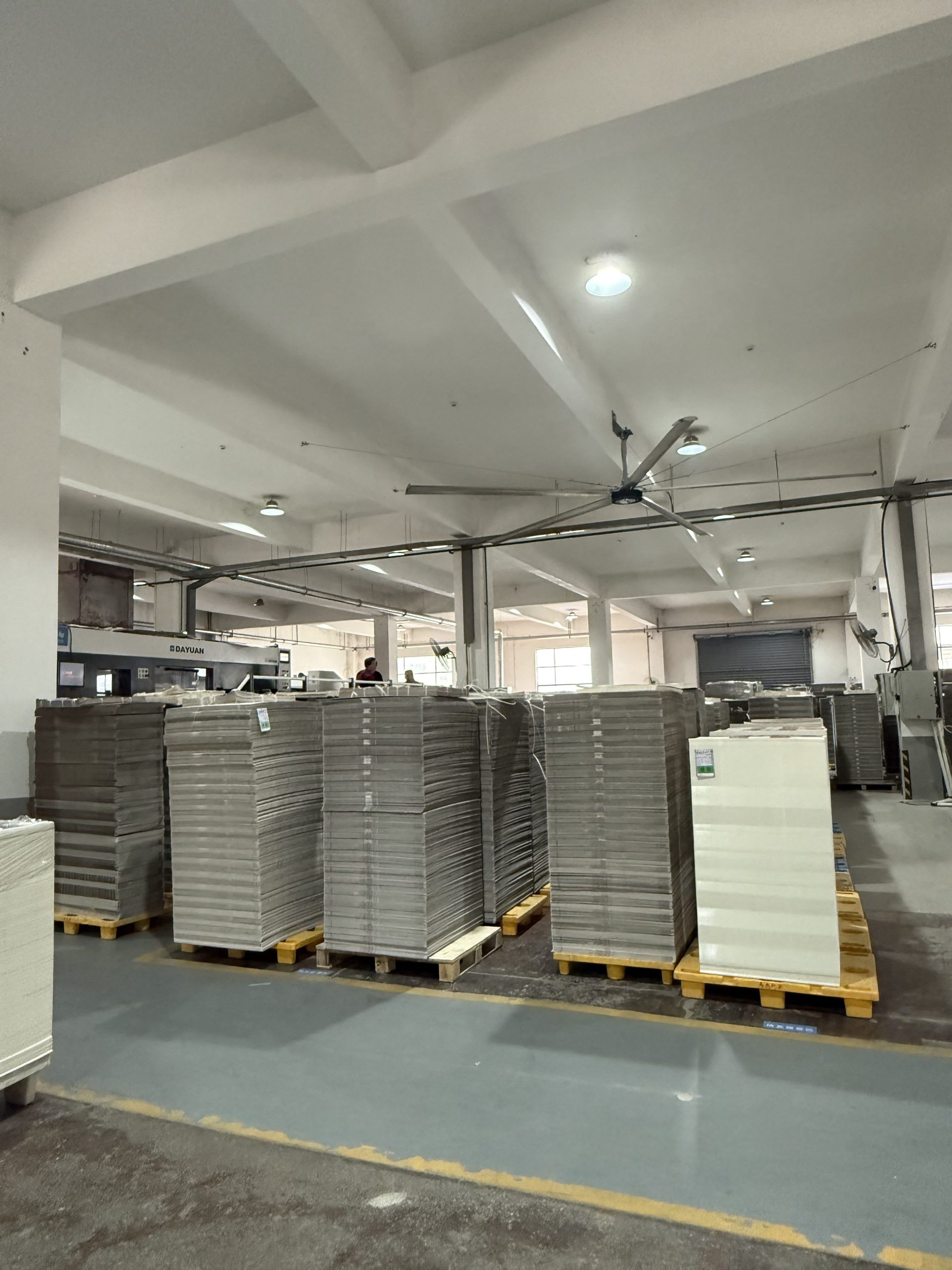
Customization and personalization trends further highlight the importance of flexible packaging. Consumers increasingly appreciate products that feel tailored to them. Packaging can incorporate variable designs, personalized messages, or region-specific elements to create a more individual connection. This approach strengthens customer engagement and loyalty. Health and safety awareness has also grown in recent years, especially in industries such as food, personal care, and healthcare. Packaging must clearly communicate product information, ingredients, and safety standards. Transparent labeling and secure, tamper-evident designs reassure consumers and align with their expectations for trust and reliability.
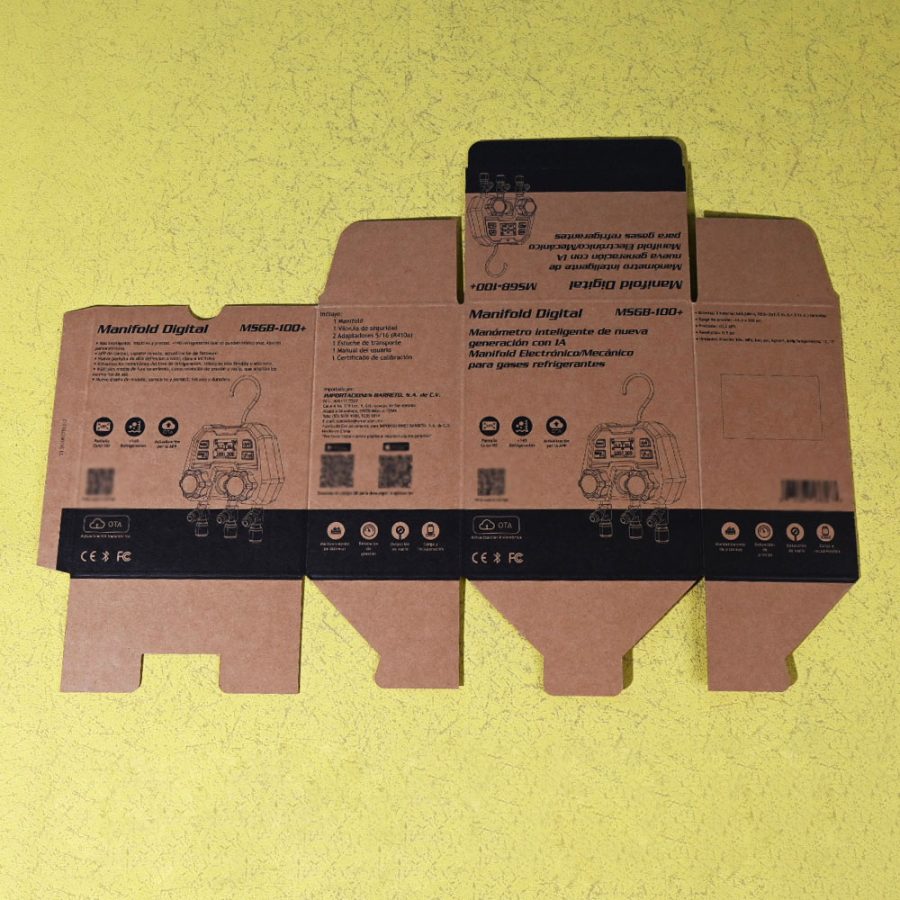
Globalization adds another layer of complexity. Brands expanding into international markets must adapt packaging to different languages, regulations, and cultural preferences. Flexible design systems and efficient production processes make it easier to adjust packaging for diverse markets while maintaining a consistent brand identity. Innovation in materials and technology continues to expand what packaging can achieve. Smart packaging features, such as QR codes or interactive elements, allow brands to connect physical products with digital experiences. This integration helps brands engage tech-savvy consumers and stay ahead of emerging trends.
Ultimately, packaging is a dynamic tool that enables brands to evolve alongside their customers. It bridges the gap between product and consumer expectations, translating trends into tangible experiences. By investing in adaptable, well-designed packaging, brands can respond quickly to market changes, maintain relevance, and build stronger connections in an ever-changing consumer landscape.