

Packaging for Fragile Products: Design Strategies That Work
Fragile products require a higher level of packaging protection than standard goods. Items such as glassware, electronics, cosmetics, ceramics, and delicate instruments can easily be damaged during transportation if packaging is not designed carefully. Effective packaging for fragile products must combine strong structural engineering, protective materials, and thoughtful design to ensure that the product arrives safely while still maintaining an appealing presentation. The first essential strategy is building a strong outer structure. Corrugated boxes and reinforced folding cartons are commonly used because they provide excellent compression strength and durability. High-quality paperboard with appropriate thickness helps the package withstand stacking pressure during storage and transportation. A well-constructed outer box acts as the first line of defense against external impacts.
Internal protection is equally important. Inserts, partitions, and cushioning materials keep fragile items securely positioned within the box. Custom die-cut inserts made from cardboard, molded pulp, or foam hold products firmly in place and prevent movement during shipping. When the product remains stable inside the packaging, the risk of collision with the box walls is significantly reduced. Shock absorption is another critical element in protecting delicate items. Materials such as corrugated pads, honeycomb boards, or molded fiber trays can absorb vibrations and sudden impacts that occur during transit. These protective layers distribute pressure evenly and prevent concentrated force from reaching the product itself.
Right-sizing the packaging is a smart design approach that improves protection while reducing material waste. Oversized boxes often create empty space that allows fragile items to shift. Custom-sized packaging ensures a snug fit and reduces the need for excessive fillers. Proper sizing also improves logistics efficiency and reduces shipping costs. Multi-layer packaging systems are frequently used for highly delicate products. In this approach, the item is first secured in an inner protective structure and then placed inside a stronger outer box. The inner layer stabilizes the product, while the outer layer absorbs external shocks. This double protection system significantly reduces the chance of breakage.
Clear labeling also contributes to safer handling. Markings such as “Fragile,” “Handle with Care,” or directional arrows help logistics staff identify packages that require extra attention. While labels alone cannot prevent damage, they serve as an additional reminder during transportation and warehousing. Durable sealing methods are another important factor. Strong adhesives, reinforced tape, or locking structures ensure that boxes remain securely closed throughout the shipping process. Weak sealing can cause packages to open or shift, exposing fragile items to potential damage.
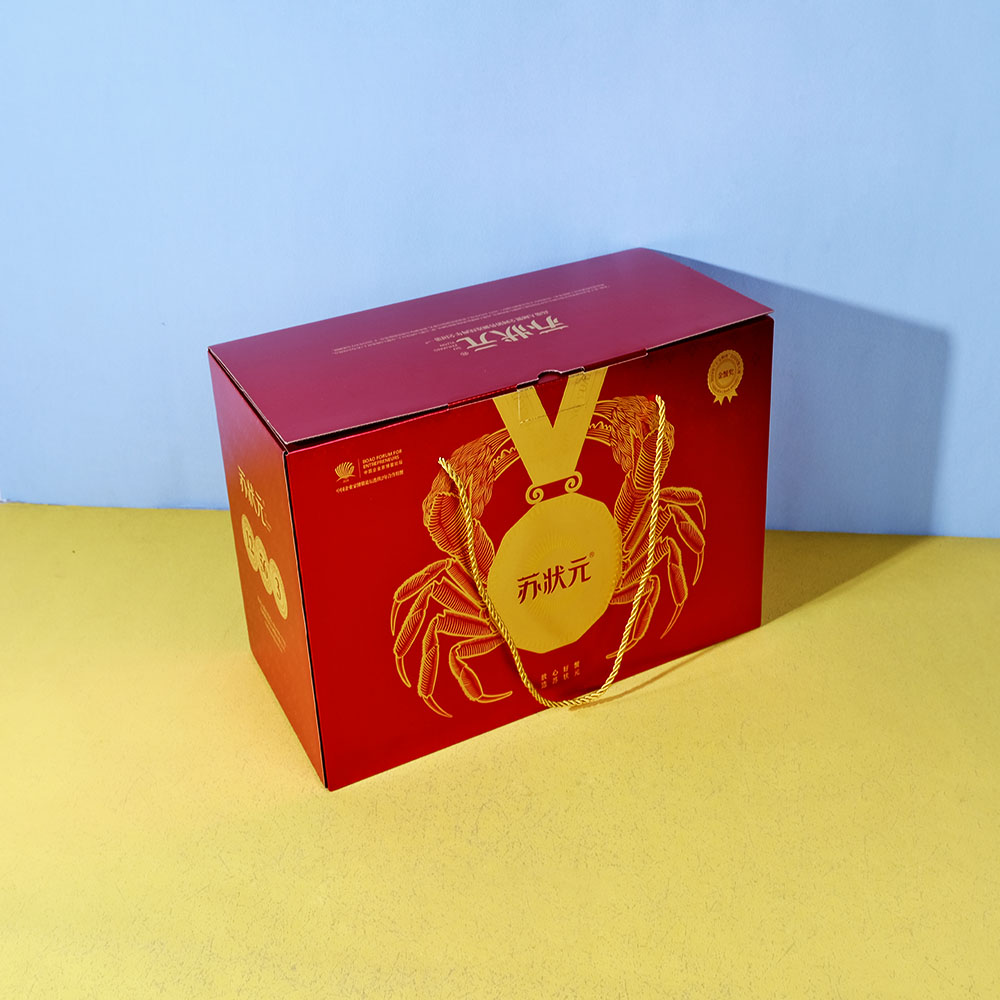
Testing and quality control play a vital role in developing reliable packaging for fragile products. Drop tests, compression tests, and vibration tests help designers understand how a package performs under real transportation conditions. By identifying potential weak points early, manufacturers can refine the design and ensure consistent protection. At the same time, protective packaging should not compromise aesthetics. Many fragile products are also premium items, such as perfumes, electronics, or giftware. Carefully designed inserts and high-quality printing allow the packaging to look elegant while still providing strong protection. The unboxing experience should remain positive even with additional protective elements.
Successful packaging for fragile products balances strength, precision, and design. By combining durable materials, intelligent structural engineering, and protective inserts, companies can ensure that delicate items travel safely through complex supply chains. Effective packaging not only prevents damage but also strengthens customer confidence and reinforces the brand’s commitment to quality.