

How Texture in Packaging Influences Perceived Product Quality
In today’s competitive marketplace, consumers evaluate products not only with their eyes but also with their hands. Texture in packaging has become a powerful tool for shaping how customers perceive product quality. The moment someone touches a box, bag, or label, they begin forming subconscious judgments about the brand and the product inside. This tactile experience can significantly influence purchasing decisions. Human perception is deeply connected to touch. A smooth, soft-touch surface often conveys elegance and refinement, while a sturdy, slightly textured paperboard suggests durability and reliability. When packaging feels premium, consumers are more likely to assume that the product itself meets high standards. This phenomenon is known as the “halo effect,” where external presentation influences internal expectations.
Texture adds a sensory dimension that flat printing alone cannot achieve. Embossing and debossing create raised or recessed patterns that invite interaction. Spot UV coatings introduce contrast between matte and glossy surfaces, guiding attention to specific elements such as logos or brand names. Linen finishes, kraft textures, and soft coatings provide subtle signals that communicate craftsmanship and care. In luxury markets, tactile elements are especially influential. High-end beauty, jewelry, and gift packaging often use textured finishes to elevate the unboxing experience. A soft-touch coating can create a velvet-like feel that enhances perceived sophistication. Foil stamping combined with textured paper adds visual brilliance while reinforcing a sense of exclusivity.
Texture also plays a role in differentiating products on crowded shelves. When customers browse in retail environments, they often pick up items to examine them more closely. A distinctive tactile surface encourages this physical interaction. Once a consumer holds the package, the likelihood of purchase increases because engagement has already begun. Beyond aesthetics, texture contributes to functionality. Slightly rough surfaces can improve grip, making packaging easier to handle. Structured finishes can add strength and durability to certain materials. When texture serves both practical and emotional purposes, it strengthens overall brand value.
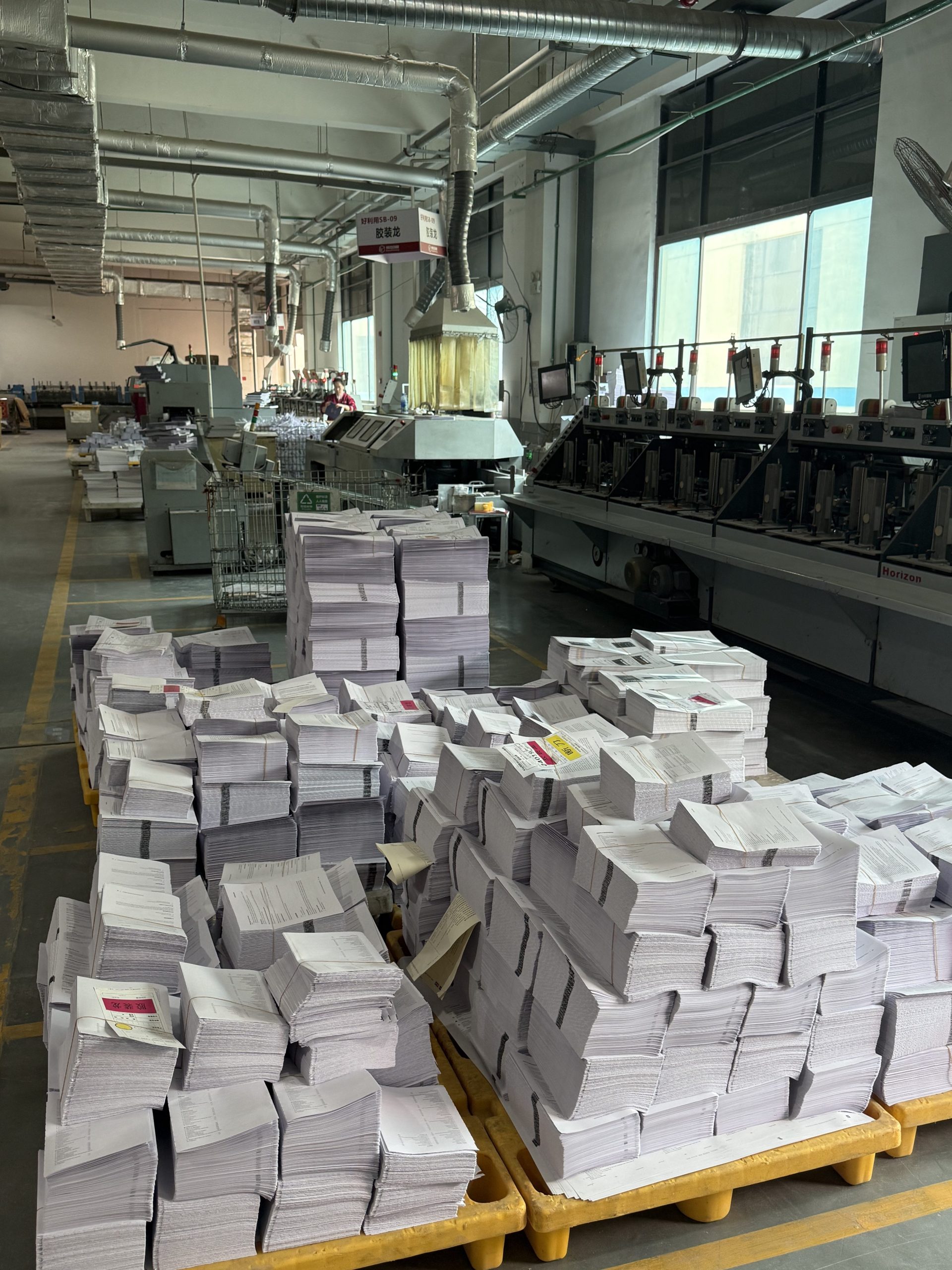
For brands aiming to communicate sustainability, texture can be particularly meaningful. Natural fibers, uncoated kraft paper, and recycled materials often have unique tactile qualities that signal environmental responsibility. These textures align with modern consumer expectations and reinforce a brand’s commitment to responsible production. However, the use of texture must align with brand positioning. Excessive or inconsistent finishes can create confusion or appear unrefined. Successful packaging design balances tactile elements with visual harmony. Precision in production ensures that embossing, coatings, and specialty papers are applied consistently across every unit.
Advanced printing and finishing technologies make it possible to integrate texture seamlessly into packaging design. Careful color management, accurate die-cutting, and controlled coating applications ensure that tactile features enhance rather than compromise quality. Consistency across production batches is essential to maintain brand credibility. Ultimately, texture transforms packaging from a simple visual medium into a multi-sensory experience. It influences how consumers interpret value, craftsmanship, and reliability before they even open the box. By thoughtfully incorporating tactile elements, brands can elevate perceived product quality, strengthen emotional connection, and create a lasting impression that goes far beyond appearance alone.