

Evolution of Folding Carton Design in Modern Industries
Folding cartons have long been a cornerstone of the packaging industry, valued for their versatility, cost efficiency, and strong visual appeal. Over time, their design has evolved significantly, driven by changing consumer expectations, technological advancements, and the growing need for sustainability. Today, folding carton design is no longer just about containing a product—it is a strategic element that influences branding, functionality, and overall market competitiveness. In the early stages of industrial packaging, folding cartons were primarily designed for basic protection and transportation. Simple structures and minimal printing were sufficient, as branding and visual differentiation were not major priorities. As retail markets expanded and competition increased, packaging began to play a more important role in attracting customers. This led to the introduction of more refined graphics, improved printing techniques, and better material quality.
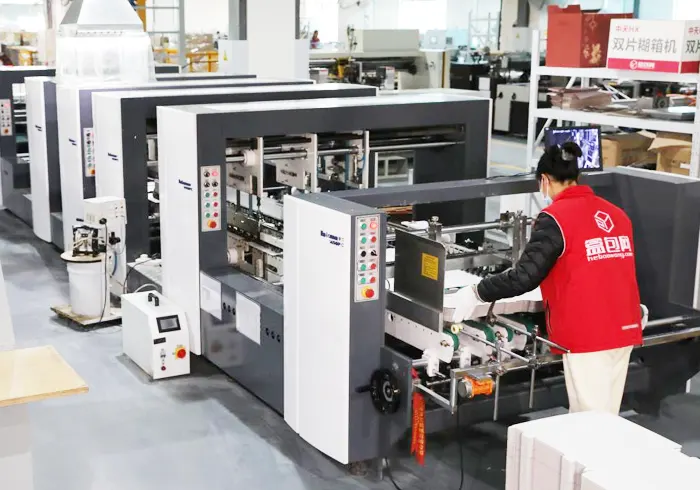
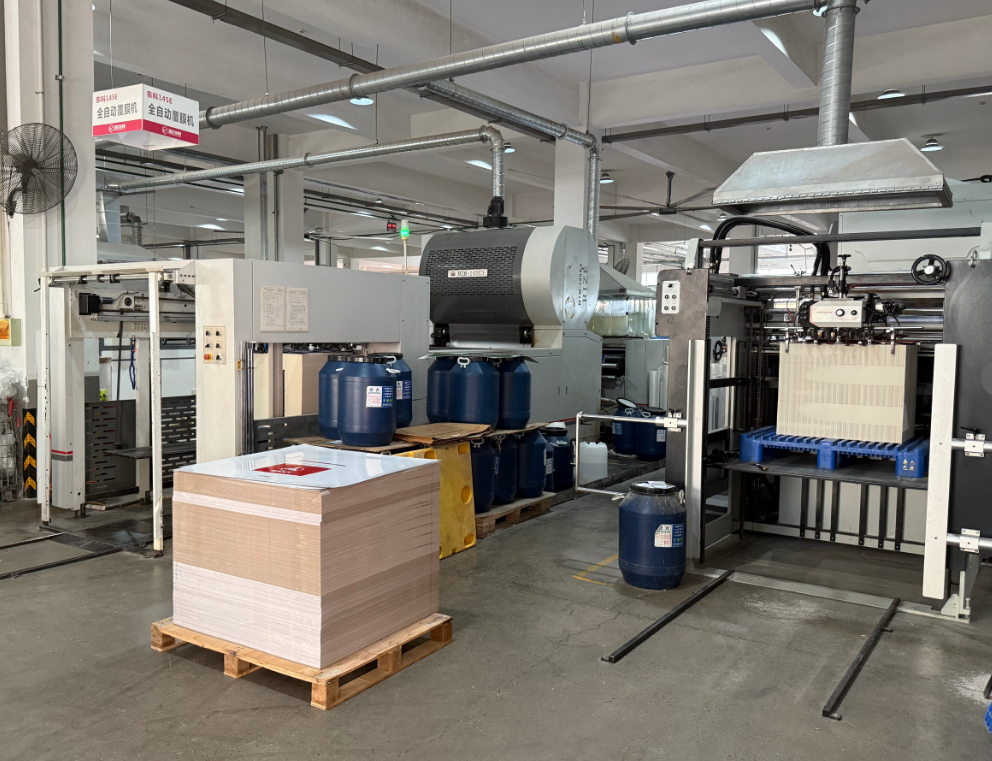
With the advancement of printing technology, folding cartons entered a new era of visual sophistication. High-resolution offset printing allowed for sharper images, more vibrant colors, and consistent branding across large production runs. This enabled companies to use packaging as a powerful marketing tool, turning cartons into visually appealing assets that could stand out on crowded shelves. Finishing techniques such as embossing, foil stamping, and spot UV further enhanced the premium look and feel of cartons. Structural innovation has also played a key role in the evolution of folding carton design. Modern cartons are engineered to offer both strength and efficiency. Designers now use advanced software and testing methods to optimize structures, ensuring that cartons provide maximum protection with minimal material use. Features such as easy-open mechanisms, secure locking systems, and custom inserts have improved both functionality and user experience.
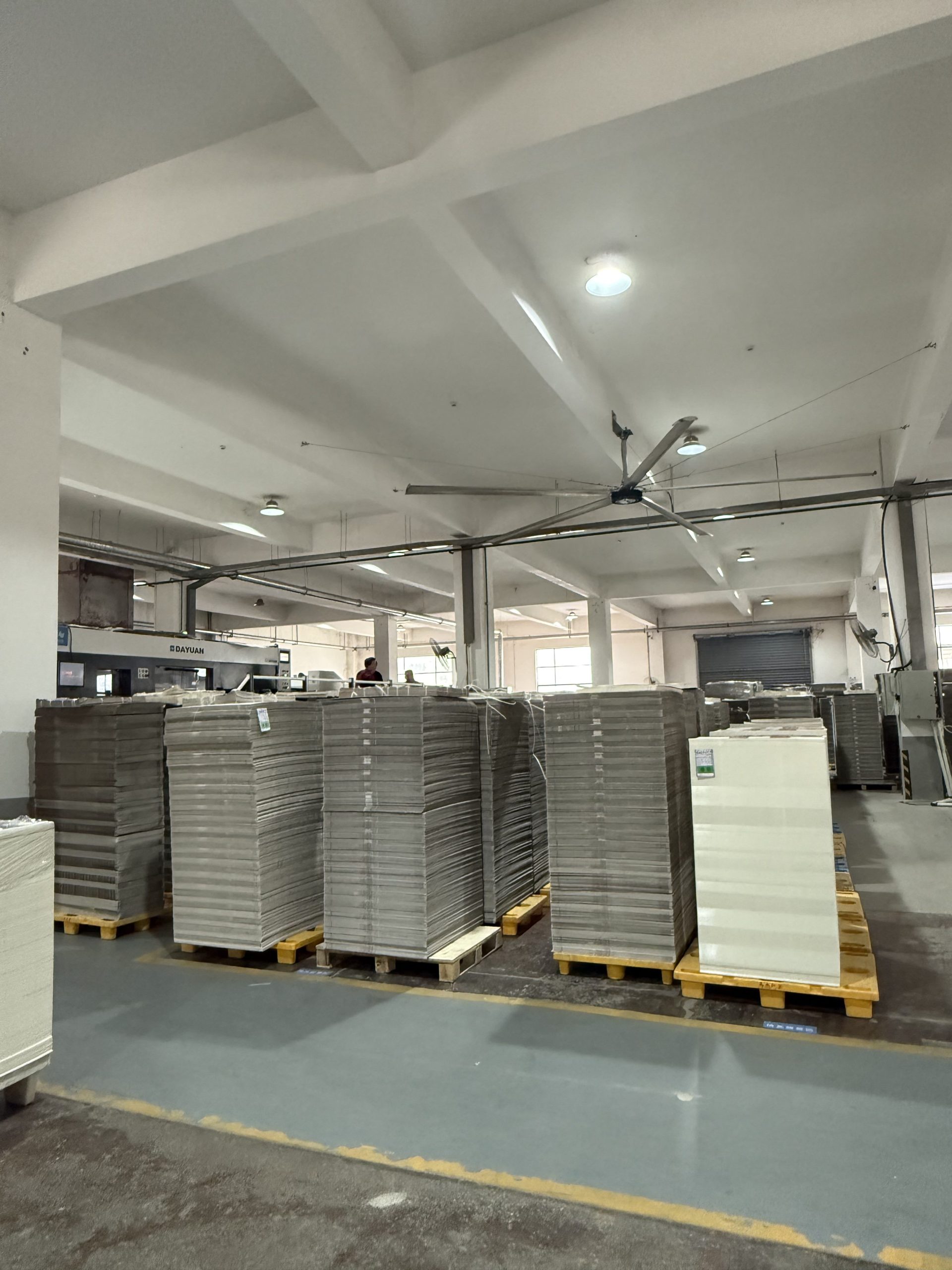
The rise of e-commerce has introduced new requirements for folding cartons. Packaging must now withstand longer and more complex shipping processes while still delivering an attractive unboxing experience. This has led to the development of more durable structures, reinforced edges, and protective internal designs. At the same time, cartons must remain lightweight and cost-effective for shipping efficiency. Sustainability has become one of the most significant drivers of innovation in folding carton design. Modern consumers and regulations demand environmentally responsible packaging solutions. As a result, manufacturers are increasingly using recyclable materials, FSC-certified paper, and eco-friendly inks. Designers are also focusing on reducing material usage through smarter structures and eliminating unnecessary components.
Digital transformation is further shaping the future of folding cartons. Digital printing technology allows for shorter runs, faster turnaround times, and greater customization. Brands can now produce limited-edition designs, seasonal packaging, or personalized cartons without the need for extensive setup. This flexibility supports modern marketing strategies and rapid product development cycles. Another important trend is the integration of smart features. QR codes, augmented reality elements, and track-and-trace systems are being incorporated into carton designs. These features enhance consumer engagement and provide additional functionality, such as product authentication and access to digital content.
Across industries such as food, pharmaceuticals, cosmetics, and electronics, folding cartons have adapted to meet specific requirements. In food packaging, safety and freshness are priorities. In pharmaceuticals, clear labeling and compliance are critical. In luxury goods, design and tactile experience take center stage. This adaptability has made folding cartons one of the most widely used packaging formats worldwide. Ultimately, the evolution of folding carton design reflects the broader changes in modern industries. What began as a simple protective solution has become a sophisticated combination of engineering, branding, and sustainability. As technology continues to advance and consumer expectations evolve, folding cartons will remain at the forefront of packaging innovation, offering smarter, more efficient, and more engaging solutions for businesses around the world.