

How Beauty Boxes Help Brands Create a Better First Impression
In the beauty industry, packaging is often the first thing customers notice before they try a product. A carefully designed beauty box can make a lipstick, skincare cream, perfume, or makeup set look more appealing while giving customers a clearer idea of the brand behind it. Although the product itself remains the most important factor, its packaging can influence how customers perceive quality, value, and attention to detail. Beauty boxes serve several purposes beyond presentation. They protect products during storage, transportation, and retail display while providing space for branding, product information, and usage instructions. For cosmetics and skincare products, packaging may also need to accommodate glass bottles, small jars, tubes, applicators, or multiple items in one set. Choosing the right box structure helps keep these products organized and reduces the risk of damage during handling.
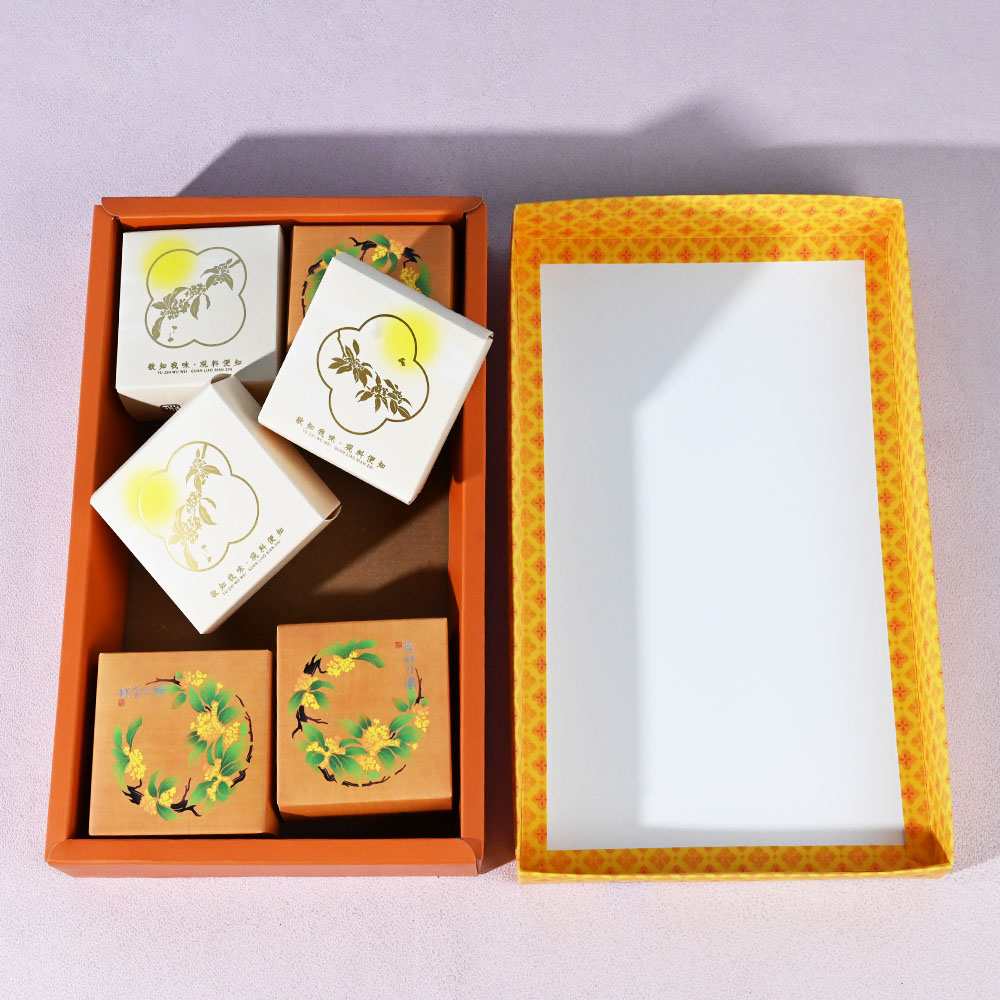
Material selection is an important starting point when developing a beauty box. Folding carton paperboard is widely used because it offers a balance between print quality, structural performance, and design flexibility. Different thicknesses and grades can suit different product weights and packaging requirements. A lightweight carton may work well for a small cosmetic tube, while a heavier skincare set or glass perfume bottle may require a stronger structure or additional internal support. Visual design plays a major role in how a beauty box communicates with customers. Some brands prefer clean layouts with generous white space and restrained typography, while others use bold colors, decorative patterns, or striking graphics. The most suitable approach depends on the target market and the brand's identity. Rather than following every design trend, companies should choose a visual style that remains recognizable across their product range.
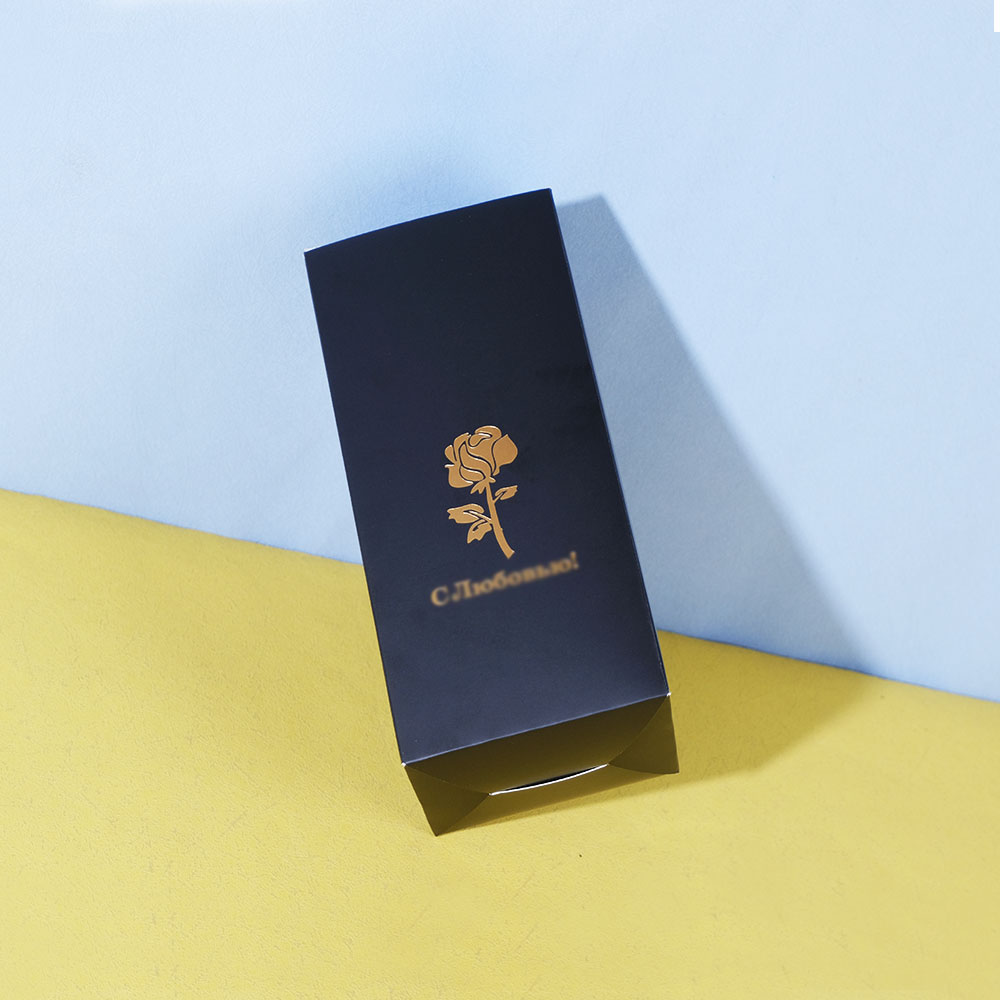
Color accuracy is especially important for beauty packaging because customers often associate certain colors with a particular product line or brand. A subtle difference in shade can become noticeable when several products are displayed together on a retail shelf. Professional printing processes and careful color management help maintain a consistent appearance across different packaging batches. This is particularly valuable for brands that introduce new products while continuing to sell established ones. Finishing techniques can add another layer of visual interest. Matte or gloss coatings, foil stamping, embossing, and spot UV effects can highlight a logo, product name, or selected graphic element. However, these finishes should support the overall design rather than compete with it. Applying too many effects can make a box look crowded and may increase production costs without creating a meaningful improvement in presentation.
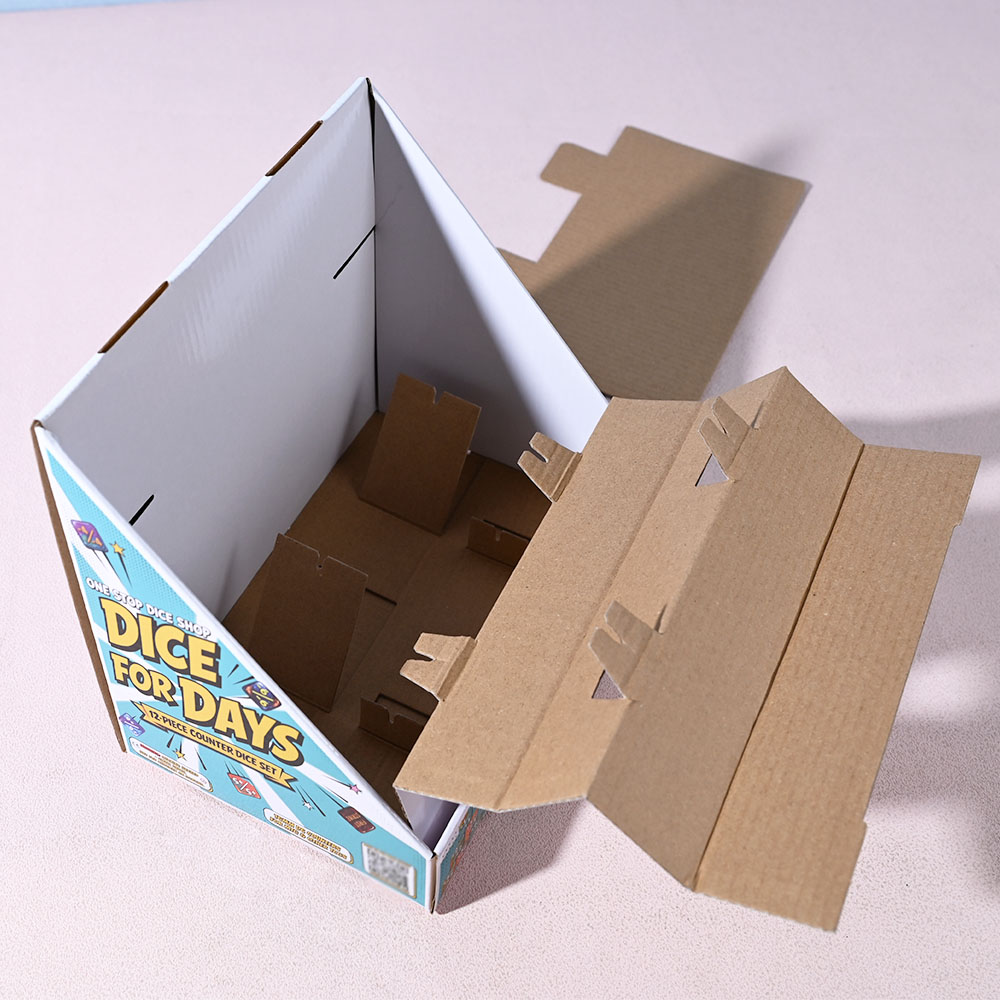
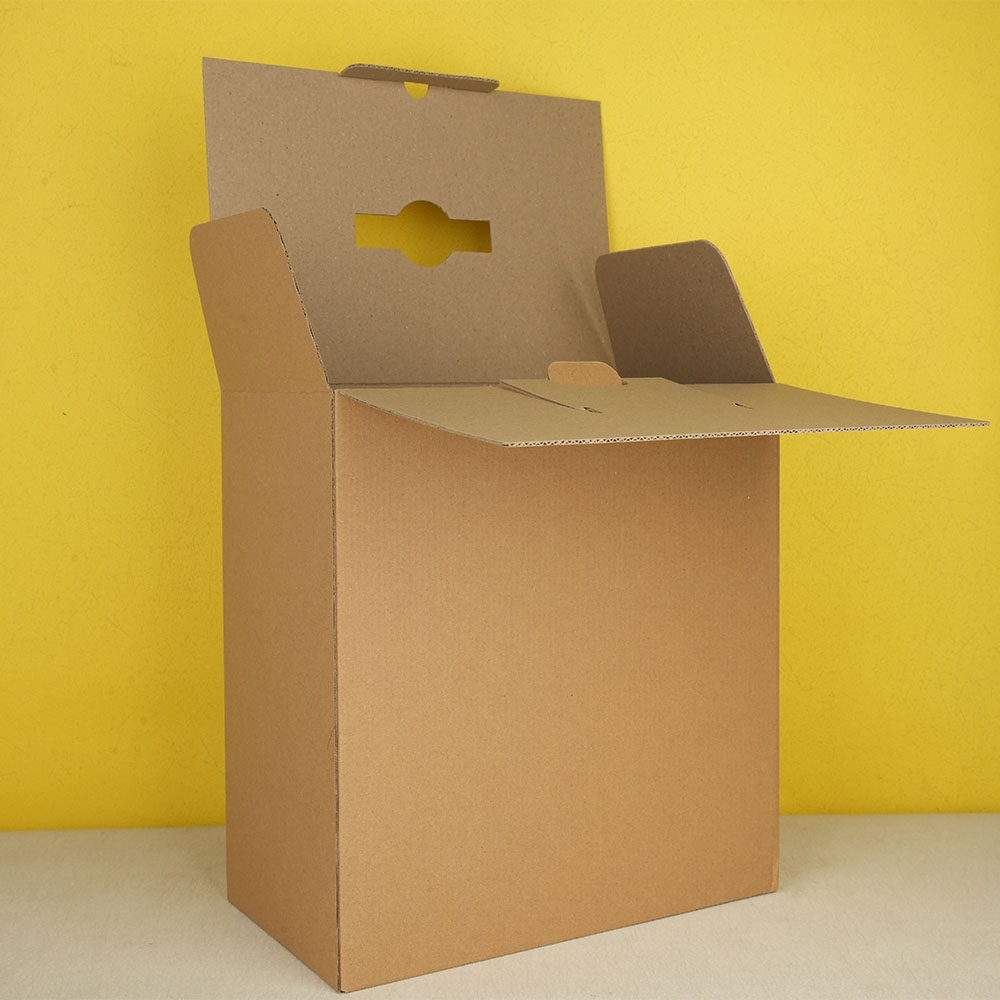
The internal structure of a beauty box deserves just as much attention as its exterior. Products should remain securely positioned during movement, especially when the package contains fragile containers or several different items. Paperboard inserts and dividers can help prevent products from knocking against one another. The insert should be designed around the actual product dimensions so that each item fits securely without becoming difficult to remove. Ease of opening is another practical consideration. Customers expect a beauty box to feel well made, but they should not need excessive force to open it. Flaps, lids, and closures must function smoothly while keeping the product protected before purchase. For gift sets and premium skincare collections, the opening experience can be part of the overall presentation, making structural design an important part of the customer experience.
Beauty brands also need to consider the information printed on their packaging. Depending on the market and product category, a box may need to display ingredients, directions for use, warnings, batch information, or other required details. The layout should provide enough room for this information without making the package difficult to read. Clear typography, appropriate text size, and careful proofreading help reduce errors and support a more professional appearance. Sustainability is becoming another consideration in beauty packaging decisions. Many brands are exploring paper-based boxes, recyclable materials, and simpler packaging structures to reduce unnecessary material use. However, environmental claims should match the actual materials and disposal options available in the intended market. A well-designed beauty box can balance attractive presentation with practical protection while avoiding excessive layers, oversized dimensions, or decorative components that serve little purpose.
For manufacturers, producing beauty boxes requires coordination between artwork preparation, material selection, printing, die-cutting, folding, and gluing. A design that looks good on a computer screen still needs to perform well during production and assembly. Testing a sample with the actual product helps identify problems with fit, closure, insert positioning, or surface finishing before a large quantity is manufactured. This step can save time and reduce avoidable revisions. At Wuxi Box Printing Technology Co., Ltd., experience in printed packaging supports the development of folding cartons for different product categories, including personal care and beauty products. By combining suitable paperboard, accurate printing, thoughtful structural design, and appropriate finishing techniques, packaging manufacturers can help brands create beauty boxes that are attractive and practical. A successful beauty box does more than hold a product: it protects what is inside, communicates the brand's identity, and gives customers a positive first impression that continues from the retail shelf to the moment they open the package.