

Food and Drink Boxes: Balancing Product Protection, Branding, and Practicality
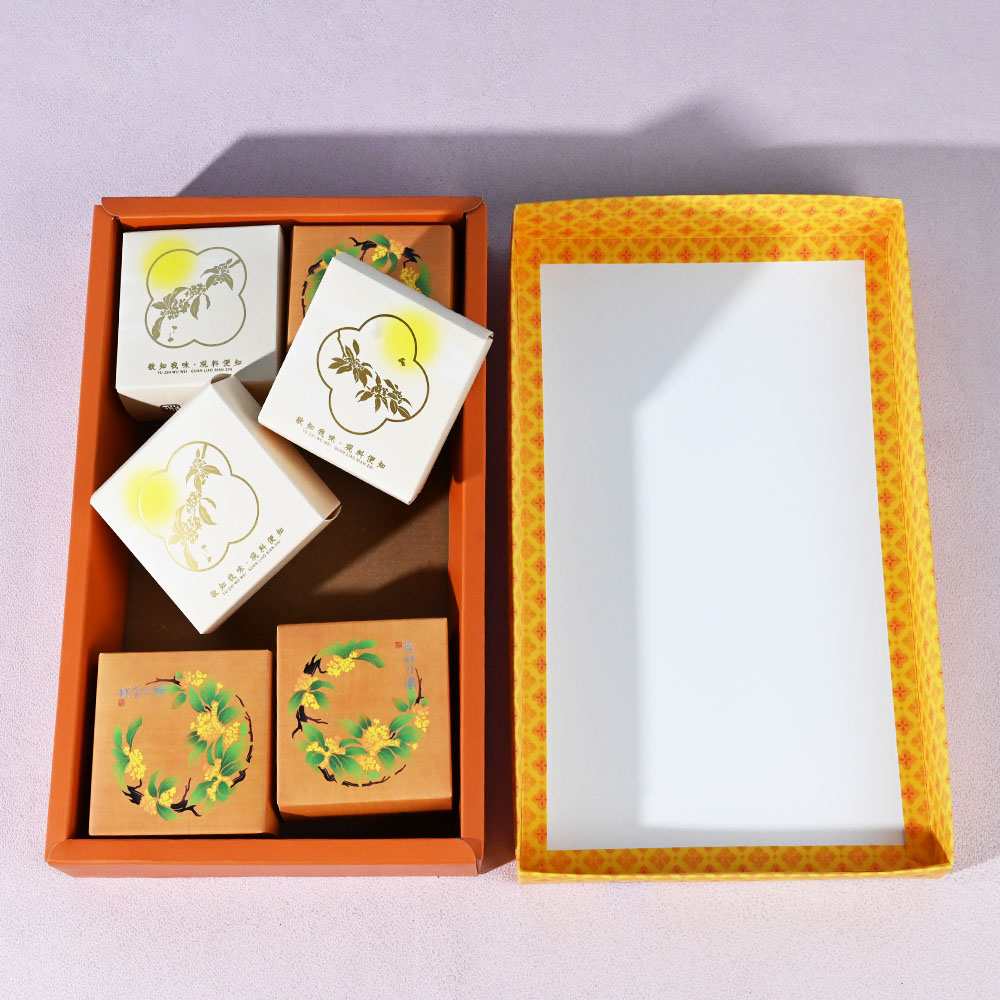
Food and drink boxes are an important part of product packaging, helping businesses protect their products while presenting them attractively to customers. From bakery boxes and takeaway food cartons to beverage gift boxes and multipack packaging, each design serves a different purpose. A suitable box needs to match the product, withstand handling, and provide a convenient experience for both retailers and consumers. Choosing the right packaging begins with understanding the product itself. Dry snacks, baked goods, frozen foods, and bottled beverages have different packaging requirements. A box designed for cookies may prioritize shape retention and an attractive printed surface, while packaging for bottled drinks needs sufficient structural strength to support the weight of the contents. Considering the product's characteristics at the beginning helps prevent problems during packing, storage, and delivery.
Material selection plays a major role in the performance of food and drink boxes. Paperboard is commonly used for folding cartons because it offers a smooth printing surface and can be converted into different shapes. Corrugated board may be more suitable when additional cushioning or stacking strength is required. The appropriate material depends on the product's weight, distribution conditions, moisture exposure, and expected shelf life. Food packaging also requires careful consideration of hygiene and material suitability. Packaging intended for direct food contact must comply with the applicable regulations in its target market. When the printed outer box does not directly touch the food, an inner bag, tray, or other protective layer may be used where appropriate. Manufacturers and buyers should clarify the intended use of each packaging component and verify that the selected materials are suitable for those conditions.
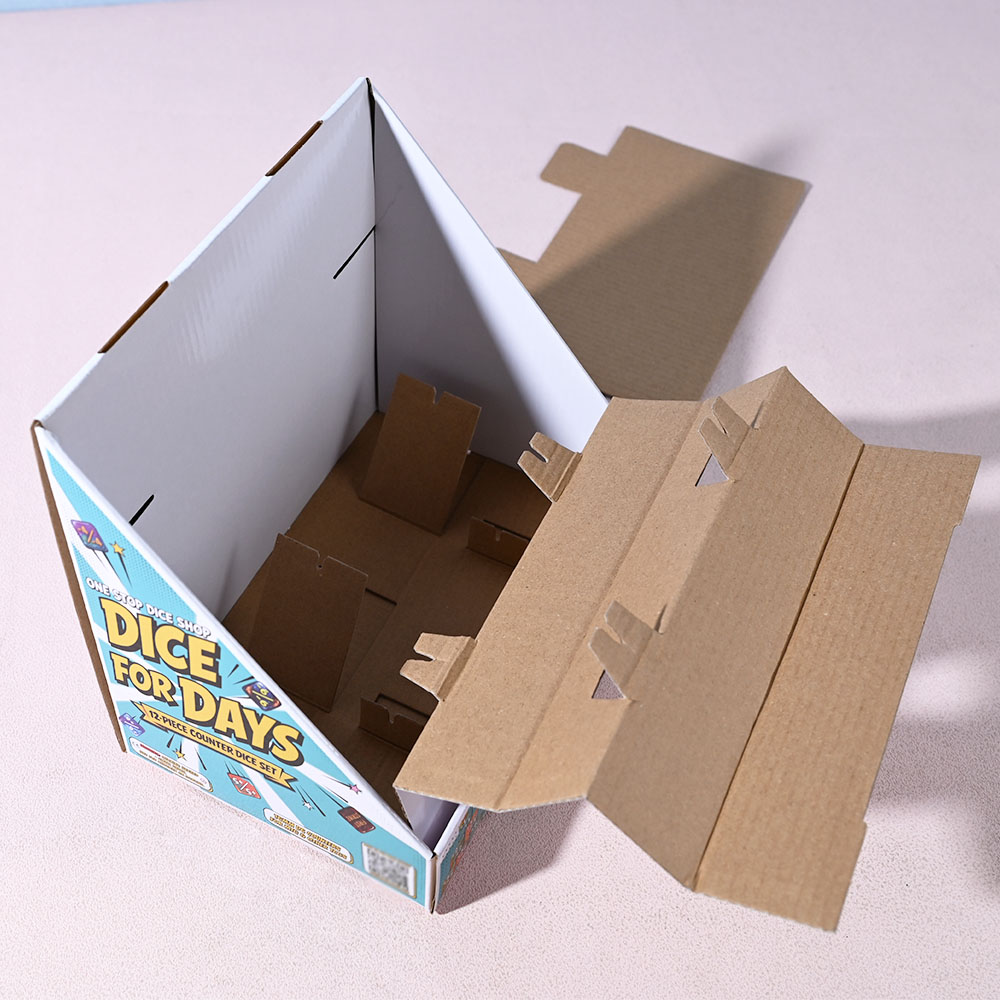
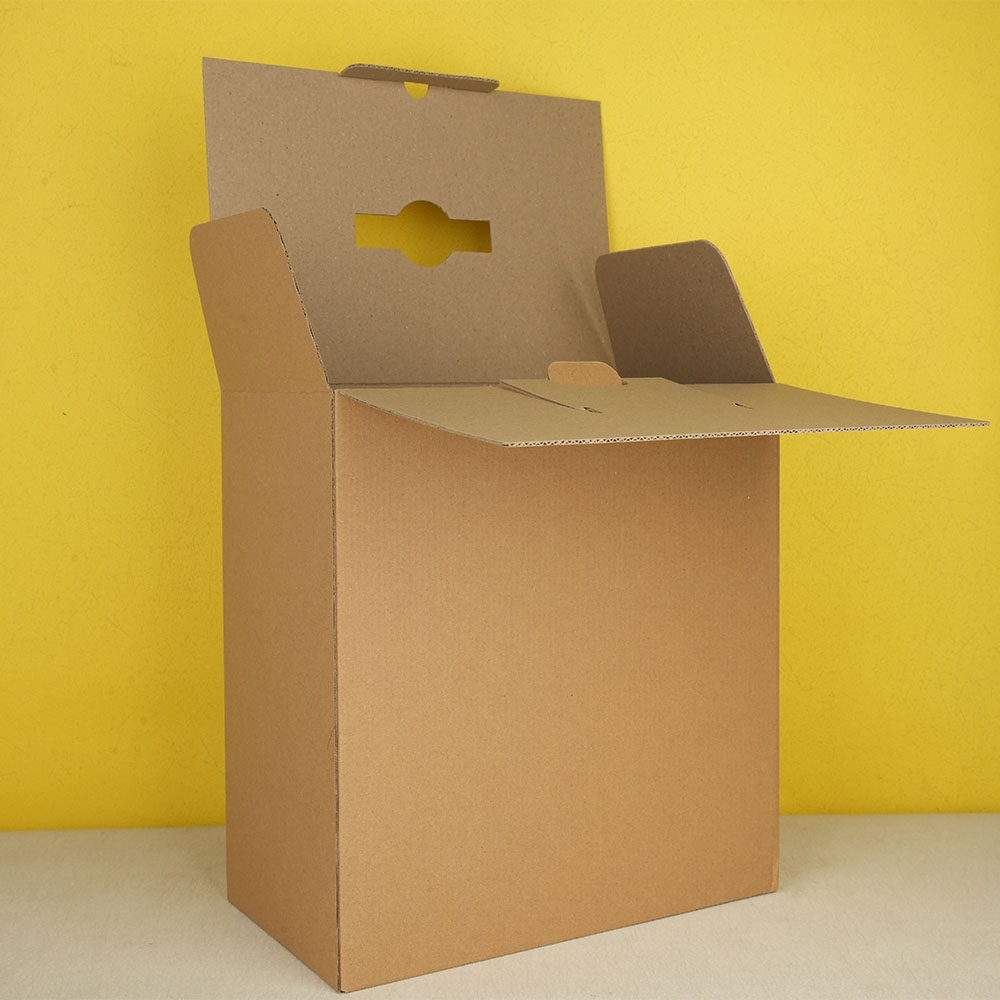
Moisture resistance is another important consideration, particularly for chilled products, takeaway meals, and foods that release steam or contain oils. Ordinary paperboard can lose strength when exposed to moisture, so the packaging structure and any coating or barrier treatment should be selected according to the actual application. However, adding a coating is not always the best solution. The required level of protection, recyclability, cost, and disposal options should all be considered together. For beverage packaging, structural design becomes especially important when boxes hold multiple bottles or cans. Internal dividers and inserts can help keep individual containers separated and reduce movement during transportation. The box should also provide suitable support when lifted or stacked. Handle placement, panel strength, and the distribution of product weight need to be evaluated during development rather than left until the packaging reaches the packing line.

Printing gives food and drink boxes another important function: communicating the brand. Colors, product images, typography, and other graphic elements help consumers recognize a product and distinguish it from competing items. Clear information is equally valuable. Product names, net quantities, ingredients, allergen declarations, storage instructions, and other required details should be arranged carefully according to the relevant market regulations and the product category. A well-designed box also considers how customers will open and use it. If the carton is difficult to open, the contents may spill or become damaged. For takeaway products, secure closures help reduce the risk of accidental opening during delivery. For retail products, a neat opening structure can make the packaging easier to handle and improve the overall impression. Small details such as tuck flaps, locking tabs, and finger access can make a meaningful difference in everyday use.
Production efficiency should be considered alongside appearance and functionality. A carton with complicated folds or an unsuitable glue structure may take longer to assemble and increase labor costs. Packaging manufacturers need to evaluate the dieline, material layout, cutting accuracy, and gluing requirements before mass production. Producing a prototype and testing it with the actual product can reveal structural problems before they become expensive to correct. Transportation and storage conditions also influence packaging decisions. Food and drink boxes may be stacked in warehouses, loaded onto pallets, moved between distribution centers, or delivered directly to consumers. The packaging must remain stable throughout these stages without using more material than necessary. Appropriate dimensions, reliable closures, and suitable board strength can help reduce product damage and make storage and handling more efficient.
Sustainability has become another consideration for food and beverage brands. Paper-based packaging can offer advantages when materials are responsibly sourced and the finished structure can be collected and recycled through available systems. However, coatings, laminations, adhesives, and food contamination may affect recyclability. Rather than relying on broad environmental claims, businesses should evaluate the complete packaging structure and make claims that can be supported by relevant evidence. Working with an experienced packaging manufacturer can help businesses balance these different requirements. A manufacturer can assist with material selection, structural development, artwork preparation, printing, die-cutting, and quality inspection. At Wuxi Box Printing Technology Co., Ltd., capabilities in folding cartons, corrugated color boxes, paper bags, labels, and other printed products support a range of packaging applications. Reviewing the product's needs and production conditions early helps create a more practical solution.
Ultimately, effective food and drink boxes do more than hold a product. They protect the contents, communicate important information, support efficient distribution, and help establish a recognizable brand identity. By combining suitable materials, thoughtful structural design, clear printing, and reliable production quality, businesses can develop packaging that works well from the factory to the retail shelf and into the hands of the consumer.