

How Anti-Scratch Coatings Improve Packaging Durability
In modern packaging, durability is just as important as visual appeal. Products often travel long distances, pass through multiple handling stages, and face constant friction during storage and transportation. Even minor surface damage—such as scratches, scuffs, or abrasions—can negatively affect the appearance of packaging and, in turn, the perceived quality of the product. Anti-scratch coatings have emerged as an effective solution to this challenge, helping brands maintain both protection and presentation. Anti-scratch coatings are specialized surface treatments applied during the finishing stage of printing. These coatings create a protective layer over the printed surface, making it more resistant to physical wear. Whether packaging is stacked in warehouses, transported in bulk, or handled frequently by consumers, the coating helps preserve the original look of the design.
One of the primary benefits of anti-scratch coatings is improved resistance to abrasion. During logistics and retail handling, packaging surfaces often come into contact with other boxes, machinery, or rough surfaces. Without protection, this can lead to visible marks that dull the design. Anti-scratch coatings reduce friction damage, ensuring that colors remain vibrant and graphics stay sharp throughout the supply chain. This protection is particularly important for premium packaging. Products such as cosmetics, electronics, gift items, and luxury goods rely heavily on visual presentation to communicate value. A scratched or worn box can create a negative first impression, even if the product inside is unaffected. By maintaining a clean and polished appearance, anti-scratch coatings help preserve brand image and customer confidence.
Another advantage is enhanced durability in challenging environments. Packaging may be exposed to varying temperatures, humidity, and handling conditions. Anti-scratch coatings add an extra layer of resilience, helping surfaces withstand these external factors. This makes them especially useful for export packaging and e-commerce shipments, where packages are subject to longer and more complex distribution processes. In addition to protection, these coatings can improve the tactile experience. Many anti-scratch finishes are combined with matte or soft-touch laminations, creating a smooth and refined feel. This not only enhances durability but also adds a premium sensory element that appeals to consumers during the unboxing experience.
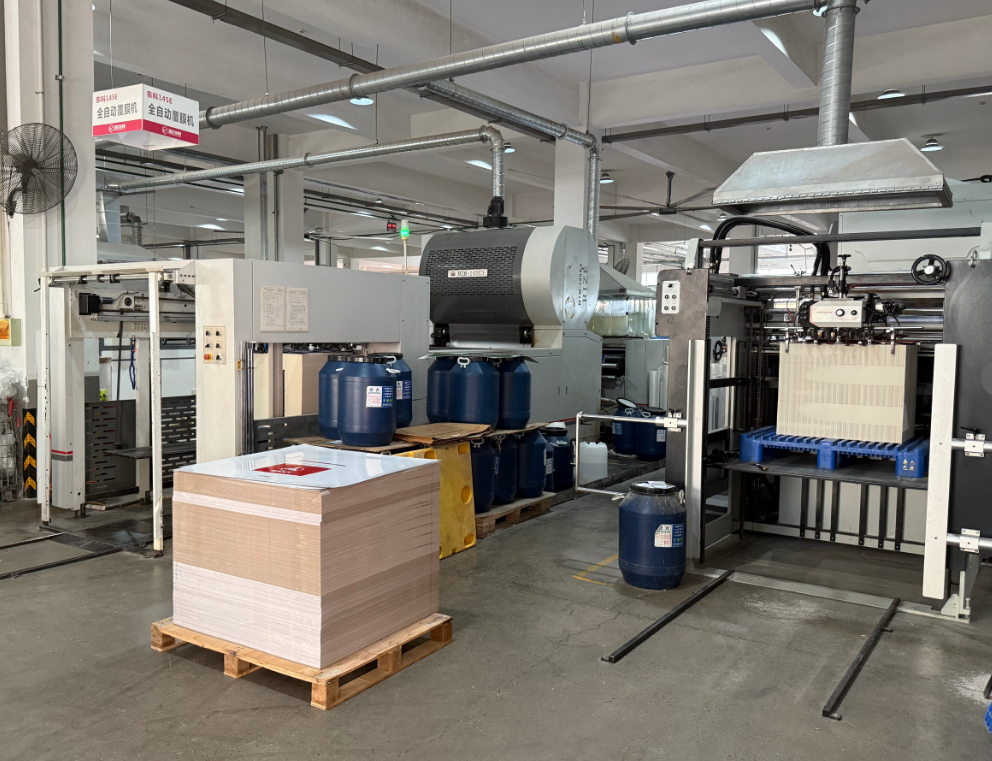
Anti-scratch coatings also contribute to cost efficiency. By reducing surface damage, they lower the risk of rejected packaging, product returns, or the need for reprints. Maintaining consistent quality across production batches minimizes waste and helps brands avoid unnecessary expenses related to damaged goods or compromised presentation. From a technical perspective, these coatings are designed to integrate seamlessly with modern printing processes. They can be applied to various substrates, including folding cartons and corrugated boxes, without affecting print clarity or color accuracy. Advanced formulations ensure that the coating protects the surface while preserving the intended design details.
Sustainability is also being considered in the development of anti-scratch technologies. Many manufacturers are adopting eco-friendly coatings that provide durability without compromising recyclability. This allows brands to maintain strong performance while aligning with environmental goals. Ultimately, anti-scratch coatings play a vital role in modern packaging by extending the life and appearance of printed materials. They protect against everyday wear, enhance visual quality, and support brand positioning in competitive markets. By investing in durable surface finishes, companies can ensure that their packaging continues to reflect quality and professionalism from production to the final customer experience.