

How to Design Packaging for High-Speed Production Lines
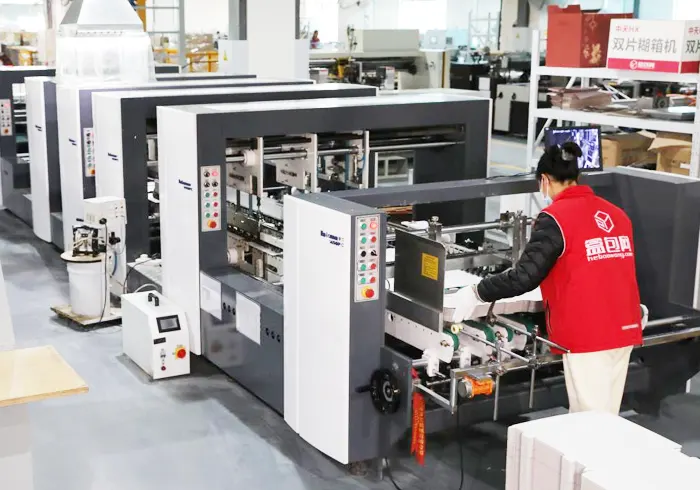
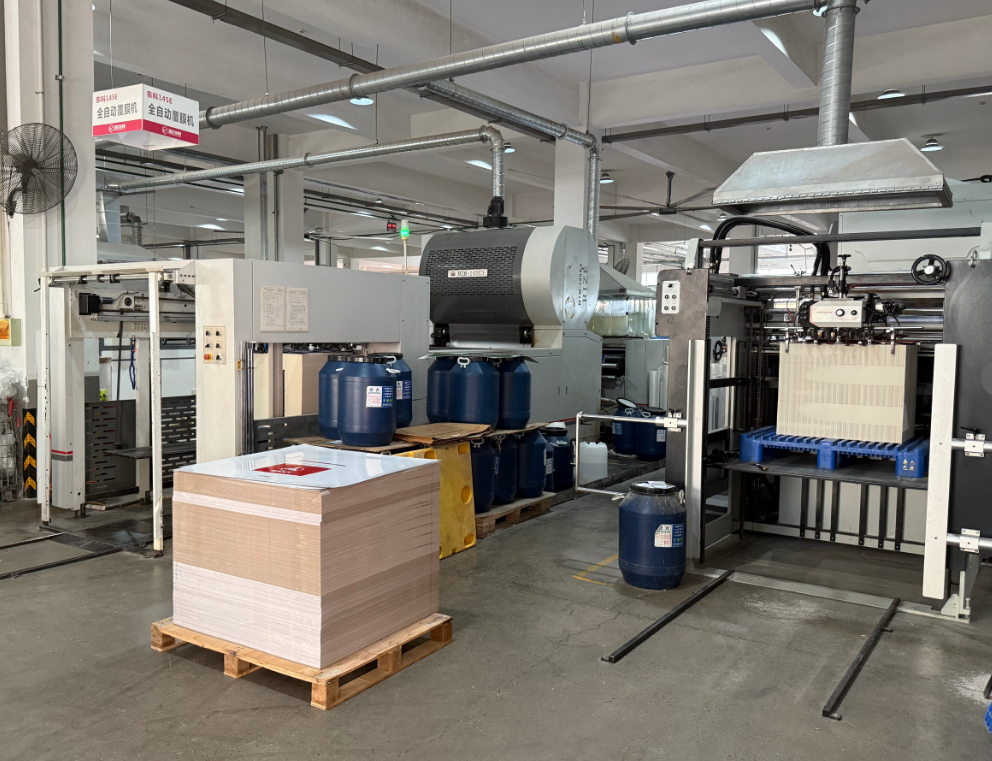
In modern manufacturing, high-speed production lines are essential for increasing output, improving efficiency, and reducing operational costs. However, production speed depends not only on machinery but also on how well the packaging is designed for automation. Packaging that is poorly structured or inconsistent in quality can lead to machine jams, downtime, material waste, and reduced productivity. Designing packaging for high-speed production lines therefore requires careful consideration of structure, materials, printing, and automation compatibility. One of the most important factors is structural simplicity and stability. Packaging used in high-speed environments must be easy for machines to fold, form, fill, and seal. Overly complex structures or difficult locking mechanisms can slow down production and increase the risk of misalignment. Standardized and symmetrical carton designs help packaging move smoothly through automated systems, improving line efficiency and reducing interruptions.
Material selection is equally critical. Paperboard or corrugated materials must provide the right balance between strength and flexibility. If the material is too soft, cartons may deform during feeding or folding. If it is too rigid, it can crack or resist smooth forming. High-speed packaging lines require materials with consistent thickness, stiffness, and surface quality to ensure reliable machine performance. Dimensional accuracy is another key requirement. Automated production equipment relies on precise measurements and positioning. Even small variations in carton dimensions, crease depth, or die-cut quality can cause feeding failures or improper sealing. Maintaining tight production tolerances helps ensure that every package performs consistently during high-speed operation.
Packaging structures should also support fast assembly. Features such as auto-lock bottoms, efficient tuck closures, and easy-opening designs help speed up machine handling and reduce manual intervention. Packaging that can quickly form and maintain its shape improves overall production flow and minimizes the risk of line stoppages. Printing and finishing choices can also affect production efficiency. Heavy ink coverage, slow-drying coatings, or excessive decorative processes may interfere with high-speed manufacturing. While visual appeal remains important, packaging for automated lines should use printing techniques and finishes that support rapid processing and stable performance.
Another important consideration is compatibility with automated inspection systems. Many modern production lines use machine vision systems to detect alignment, print quality, and barcode accuracy. Packaging designs must include clear registration marks, readable barcodes, and sufficient contrast for reliable scanning. This improves quality control and supports fully automated operations. Stackability and transport efficiency should also be considered during design. High-speed production often results in large output volumes, so packaging must remain stable during stacking, warehousing, and shipping. Reinforced structures and balanced weight distribution help maintain carton integrity throughout the supply chain.
Sustainability is increasingly influencing packaging design for automated production. Lightweight structures, material reduction, and recyclable substrates help reduce waste and lower transportation costs while still maintaining production efficiency. Smart structural engineering allows companies to achieve both operational and environmental goals. Collaboration between packaging designers and production engineers is essential throughout the development process. Testing packaging on actual production equipment helps identify potential issues before mass production begins. Simulations, trial runs, and performance testing ensure that packaging works reliably under real operating conditions.
Ultimately, designing packaging for high-speed production lines is about creating solutions that combine efficiency, consistency, and functionality. Well-designed packaging supports smooth automation, minimizes downtime, reduces waste, and improves overall manufacturing performance. By aligning packaging design with production capabilities, companies can maximize productivity while maintaining strong product presentation and quality.