

The Benefits of Flat-Pack Packaging for Logistics Efficiency
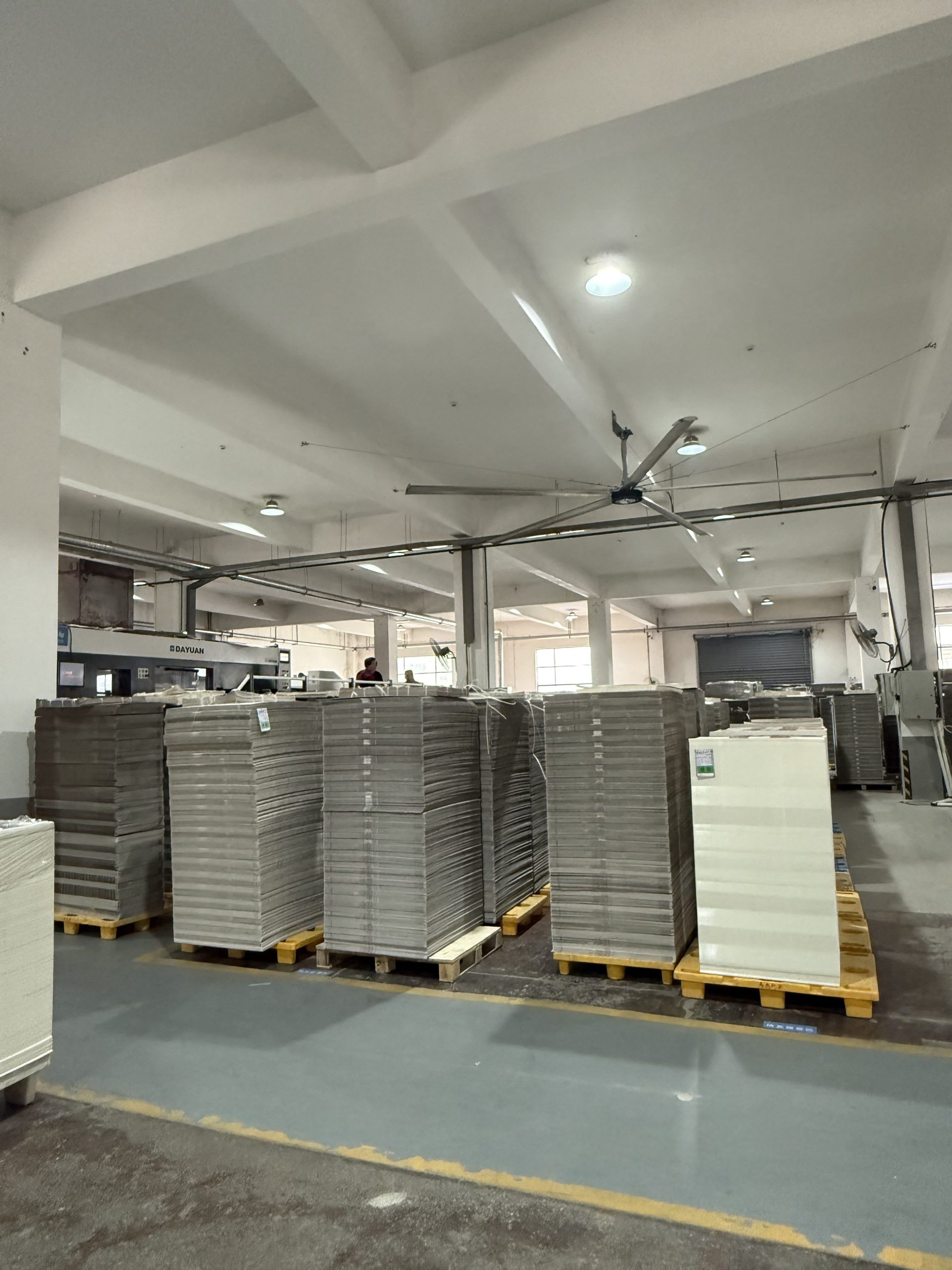
Flat-pack packaging has become an increasingly popular solution in modern logistics because of its ability to improve transportation efficiency, reduce storage requirements, and lower operational costs. Designed to remain flat until needed for assembly, this packaging format offers significant advantages across manufacturing, warehousing, shipping, and retail distribution. As businesses continue to focus on efficiency and sustainability, flat-pack packaging is playing a larger role in optimized supply chain management. One of the biggest benefits of flat-pack packaging is space efficiency. Since cartons are shipped and stored in a flat form before use, they occupy far less volume than pre-assembled boxes. This allows companies to store larger quantities of packaging materials in the same warehouse space, improving inventory management and reducing storage costs. For manufacturers handling high production volumes, this space-saving advantage is particularly valuable.
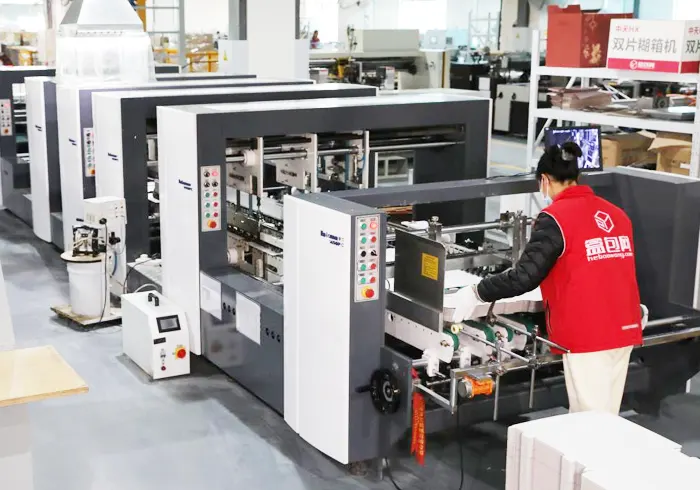
Transportation efficiency is another major advantage. Flat-packed cartons maximize the use of shipping containers and delivery vehicles because they can be stacked tightly together with minimal empty space. More packaging units can be transported in fewer shipments, reducing freight costs and fuel consumption. This not only lowers logistics expenses but also supports environmental goals by decreasing carbon emissions associated with transportation. Flat-pack packaging also improves handling efficiency in warehouses and production facilities. Standardized flat cartons are easier to stack, organize, and move using automated systems. They integrate well with modern packaging lines where boxes are automatically erected and filled during production. This streamlined process reduces manual labor and increases operational speed.
Another important benefit is reduced packaging waste. Because flat-pack designs are typically optimized for efficient material use, they often require fewer resources compared to bulky pre-assembled alternatives. Smarter structural engineering allows companies to maintain strength and durability while minimizing excess material. This contributes to both cost savings and sustainability efforts. For e-commerce and export businesses, flat-pack packaging offers additional flexibility. Packaging materials can be shipped to multiple fulfillment centers in large quantities without consuming excessive storage space. This allows businesses to respond quickly to changing demand and maintain more efficient inventory distribution across regions.
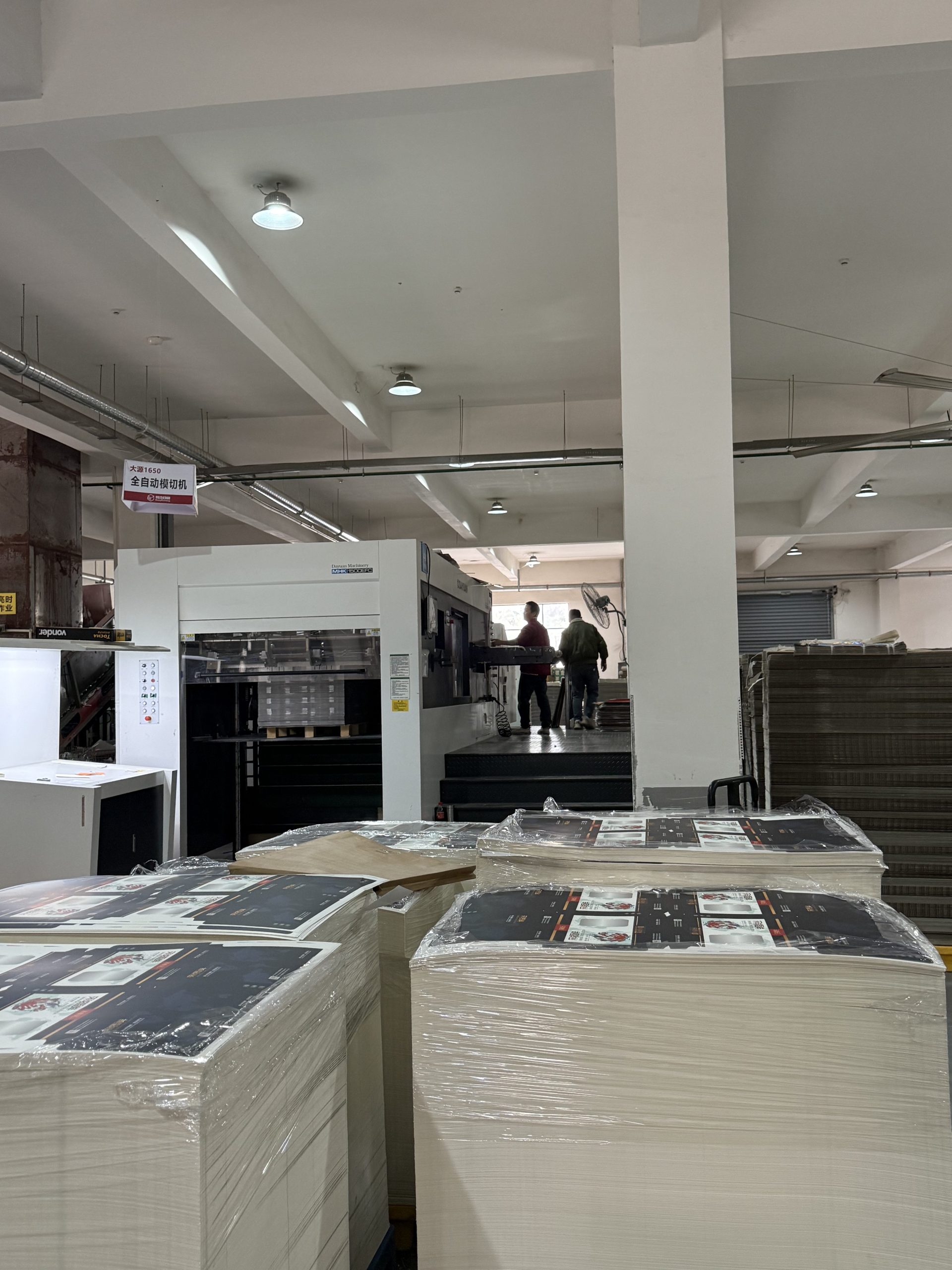
Durability and protection are not sacrificed with flat-pack solutions. Modern paperboard and corrugated materials are engineered to provide strong structural performance once assembled. Reinforced folds, locking mechanisms, and optimized board grades ensure that the final packaging remains reliable during transportation and handling. Flat-pack packaging also supports customization and scalability. Different box sizes and structures can be produced efficiently while maintaining compact storage and shipping advantages. Businesses can adapt packaging for seasonal campaigns, product variations, or international markets without significantly increasing logistics complexity.
From a sustainability perspective, flat-pack packaging aligns well with modern environmental expectations. Reduced transportation volume means fewer emissions, while optimized material usage lowers waste generation. Many flat-pack solutions also use recyclable or FSC-certified paper materials, helping companies strengthen their eco-friendly image. Automation compatibility is another key factor driving the popularity of flat-pack packaging. High-speed production lines can quickly assemble flat cartons with precision, improving productivity and reducing labor dependency. This makes flat-pack solutions highly suitable for large-scale manufacturing environments.
Ultimately, flat-pack packaging provides a practical balance between efficiency, protection, and sustainability. By reducing storage space, optimizing transportation, supporting automation, and lowering material consumption, it helps businesses improve logistics performance while controlling costs. In today’s competitive and fast-moving supply chains, flat-pack packaging has become an essential strategy for companies seeking greater operational efficiency and long-term value.