

The Complete Guide to Custom Playing Card Game Card Manufacturing
Custom cards have become an indispensable part of entertainment, business promotion, collectibles, and educational fields. From popular game cards and trading cards to corporate gift cards and instructional flashcards, high-quality card products rely on standardized and sophisticated manufacturing processes. This article will walk you through the full workflow of professional card production, covering design preparation, material selection, printing technology, post-processing, and quality inspection, to help you understand how a fine card is made.

- Pre-Production Design & Preparation
The foundation of excellent card manufacturing lies in precise design and detailed parameter confirmation. Before formal production, designers need to finalize all visual and structural details to avoid defective products in mass production.
First, define the core specifications of the cards, including size, shape, and usage scenarios. Standard card sizes such as poker size (63mm×88mm) and trading card size (63.5mm×89mm) are widely adopted in the industry, while custom special shapes, rounded corners, and irregular outlines can be designed for personalized needs. Meanwhile, designers need to create high-definition artwork with CMYK color mode—this is a key step to ensure consistent color presentation in printing, different from the RGB color mode used for electronic screen display. All text, patterns, and logos must be embedded or outlined to prevent font missing and pattern blurring during printing.
In addition, pre-production confirmation includes determining card thickness, surface effect requirements, and batch quantity. For collectible cards and high-end game cards, designers will also add exclusive elements such as serial numbers, signature patterns, and hidden anti-counterfeiting marks in the design stage to improve the uniqueness and collection value of the products.
- Professional Material Selection
Material quality directly determines the hand feel, durability, and display effect of the cards. Different usage scenarios correspond to different raw material choices, and paper and plastic are the two mainstream core materials in the card manufacturing industry.
Paper cards are the most common type, suitable for board game cards, flashcards, and ordinary promotional cards. High-quality coated paper, black core paper, and blue core paper are preferred for premium paper cards. Black core paper with a middle black layer can effectively prevent light transmission, avoiding the see-through problem that affects game fairness, which is widely used in poker and competitive game cards. Thickened cardboard with a weight of 250gsm to 350gsm provides a stiff and smooth hand feel, not easy to bend or deform after long-term use.
Plastic cards, represented by PVC cards, feature waterproof, wear-resistant, tear-proof, and durable properties, ideal for long-term used membership cards, gift cards, and premium collection cards. PVC materials have stable texture, bright color rendering, and can adapt to various special post-processing technologies. For ultra-high-end collectible cards, manufacturers will also use pearlescent paper, gold and silver cardboard, and translucent special paper to create unique visual and tactile effects.
- Precision Printing Process
Printing is the core link that restores card patterns and colors, and professional printing technology ensures high color reproduction and uniform texture of each card.
Modern card mass production mainly adopts offset printing, which is suitable for large-batch card production with the advantages of fine dots, natural color transition, and low unit cost. For small-batch customized cards and personalized pattern printing, digital printing is more flexible, requiring no plate making and supporting personalized variable data printing such as exclusive avatars and unique serial numbers for each card.
During the printing process, strict color calibration is essential. Professional technicians adjust color parameters in real time according to the design draft to ensure no color difference, color cast, or fading between different batches of products. For cards with gradient colors, fine lines, and tiny text, high-precision printing equipment is used to ensure clear and complete presentation of every detail without broken lines or blurry edges. In addition, special color printing such as spot color gold, spot color silver, and fluorescent color can be added according to design requirements to enhance the three-dimensional sense and luxury of card patterns.
- Exquisite Post-Processing Technology
Post-processing is the key to upgrading card texture, durability, and aesthetics. After printing, the cards need to go through a series of finishing processes to meet practical and decorative requirements.
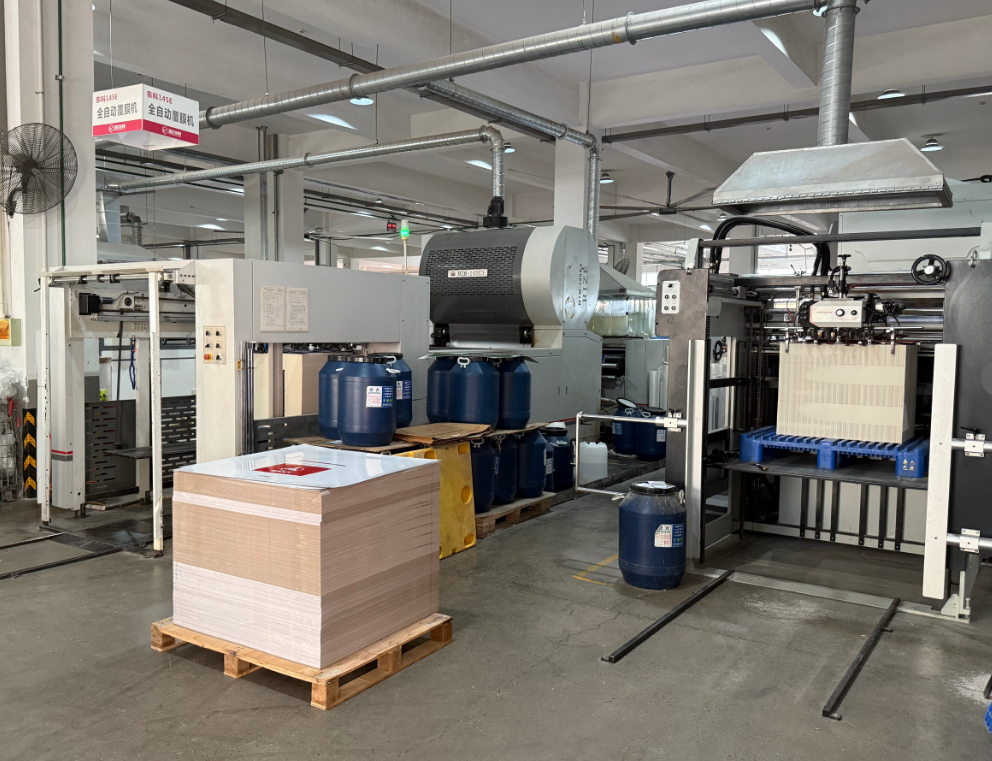
Laminating is the most basic post-processing step. All printed cards will be covered with a thin transparent film. Matte lamination brings a low-glare, soft and high-grade hand feel, anti-glare and fingerprint-proof, suitable for high-end collection cards; glossy lamination makes colors more bright and vivid, with waterproof and scratch-resistant functions, commonly used in daily game cards.
In addition to conventional lamination, various special crafts can be customized. Hot stamping technology uses high temperature and pressure to attach gold, silver, laser, and colored metal foil to card patterns, creating metallic luster and three-dimensional layering. Embossing and debossing processes form concave-convex textures on the card surface, making patterns and texts tactile. UV partial glazing can highlight key patterns, forming a bright and raised effect and distinguishing visual levels.
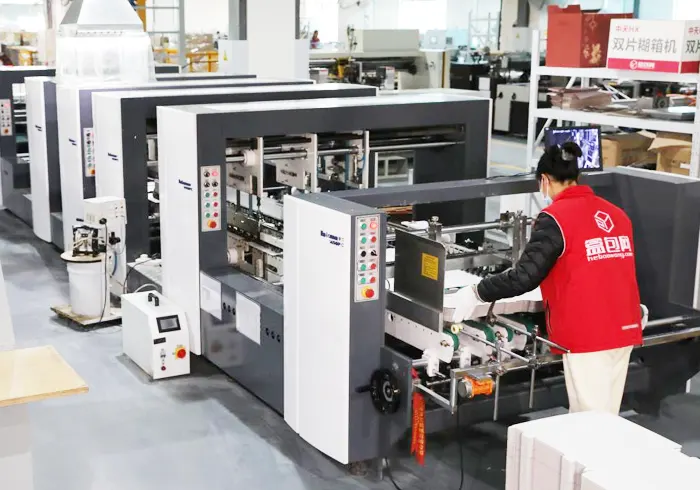
Finally, the large printed sheet is cut into single cards by precision die-cutting machines, and all cards are polished with rounded corners to avoid sharp edges, improving safety and comfort of use.
- Strict Quality Inspection & Packaging
Quality inspection is the last barrier to ensure qualified card products. After the completion of production and processing, professional inspectors conduct comprehensive screening of all products.
The inspection items include appearance quality: checking for color difference, ink spots, scratches, dirt, and pattern deformation; structural quality: verifying uniform size, neat cutting, smooth rounded corners, and no burrs; performance testing: testing the stiffness, flatness, and friction resistance of cards, and checking the firmness of hot stamping and UV crafts to avoid falling off. Defective products such as damaged, deformed, and color-different cards will be picked out and eliminated strictly.
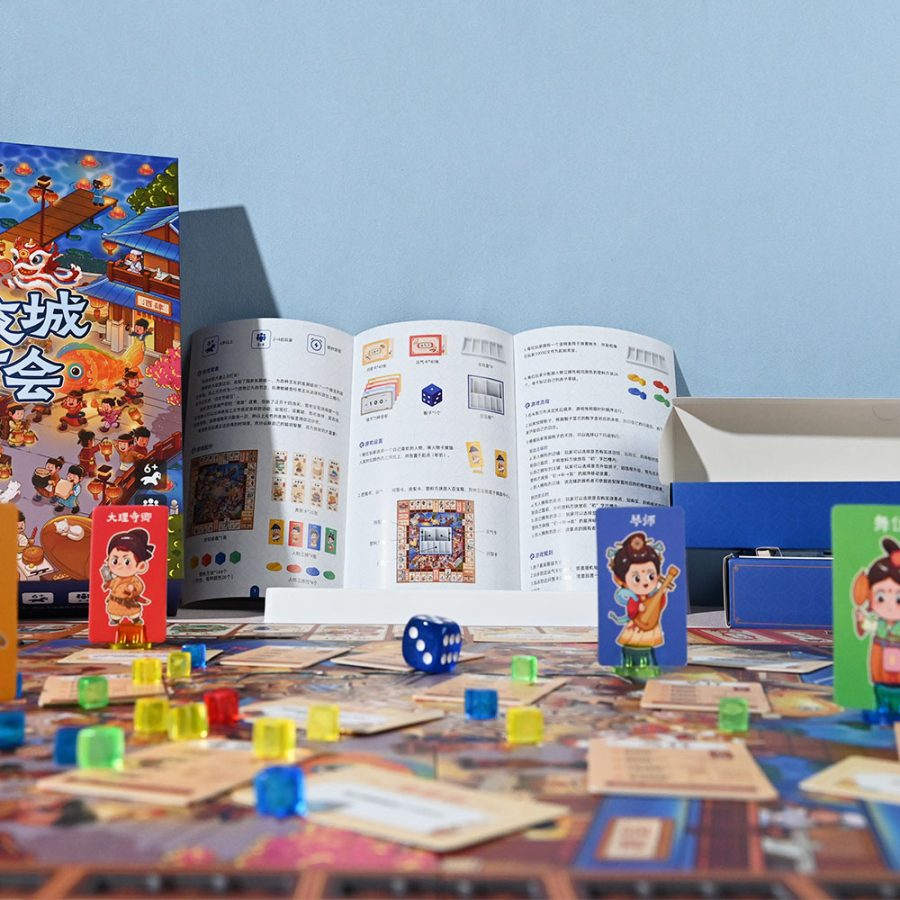
After passing the inspection, the qualified cards are sorted and counted, and then packaged professionally. For bulk cards, waterproof and dust-proof plastic packaging and carton outer packaging are used to prevent extrusion and moisture during transportation. For high-end customized card sets, exquisite gift boxes, iron boxes, and sealed packaging are matched to protect the products and improve the overall grade of the finished products.
Conclusion
Card manufacturing is a rigorous process that integrates design, materials, printing, and fine craftsmanship. Every high-quality card is the result of precise control of each production link. From ordinary entertainment cards to high-value collectible customized cards, standardized production processes and exquisite craftsmanship can perfectly present design creativity, bringing users a better visual experience and use feeling. With the continuous upgrading of printing and processing technologies, custom card production will achieve more diversified personalized effects, meeting the increasingly rich market and creative needs.