

How Minimal Ink Usage Supports Sustainable Printing Practices
As sustainability becomes a key priority in the printing and packaging industry, companies are exploring ways to reduce environmental impact without compromising quality. One effective yet often overlooked strategy is minimizing ink usage. While ink is essential for branding, communication, and visual appeal, excessive ink consumption can increase resource usage, energy requirements, and waste generation. By adopting efficient design and printing practices, businesses can support sustainability goals while maintaining strong packaging performance. One of the most immediate environmental benefits of minimal ink usage is reduced resource consumption. Printing inks require raw materials, pigments, solvents, and energy during manufacturing. By using only the amount of ink necessary to achieve effective communication and branding, companies can lower overall material consumption and reduce the environmental footprint associated with ink production.
Minimal ink coverage also contributes to easier recycling. Heavy ink layers can complicate the de-inking process during paper recycling, making it more difficult to recover clean fibers. Packaging with lower ink coverage is generally easier to recycle, improving the efficiency of recycling systems and supporting circular economy initiatives. This is particularly important for paperboard and corrugated packaging, which are widely recycled around the world. Energy efficiency is another significant advantage. Large areas of solid color often require longer drying or curing times during printing. By reducing unnecessary ink coverage, printers can decrease energy consumption associated with drying processes. This not only lowers environmental impact but can also improve production efficiency and reduce operating costs.
Minimal ink usage often aligns with modern packaging design trends. Many brands are moving toward clean, minimalist aesthetics that emphasize simplicity and clarity. Strategic use of typography, white space, and limited color palettes can create a sophisticated and premium appearance without requiring heavy ink application. In many cases, less ink can result in stronger visual impact and improved brand recognition. Sustainable printing practices also benefit from reduced waste generation. Excessive ink usage can increase the likelihood of print defects, color inconsistencies, and production waste. Efficient ink management helps improve print consistency and reduces the number of rejected materials during production. This contributes to both environmental and economic sustainability.
Another benefit is lower transportation impact. Although ink represents only a portion of the packaging material, reducing overall material inputs throughout the supply chain contributes to resource efficiency. When combined with lightweight packaging strategies, minimal ink usage supports broader sustainability objectives related to manufacturing and logistics.
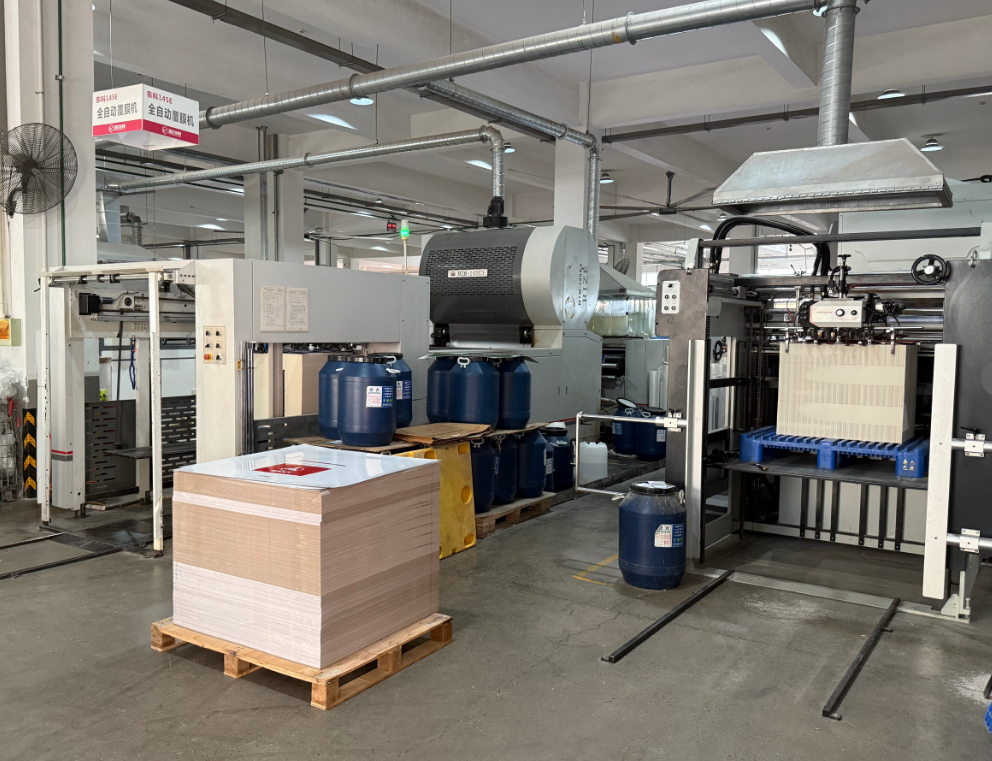
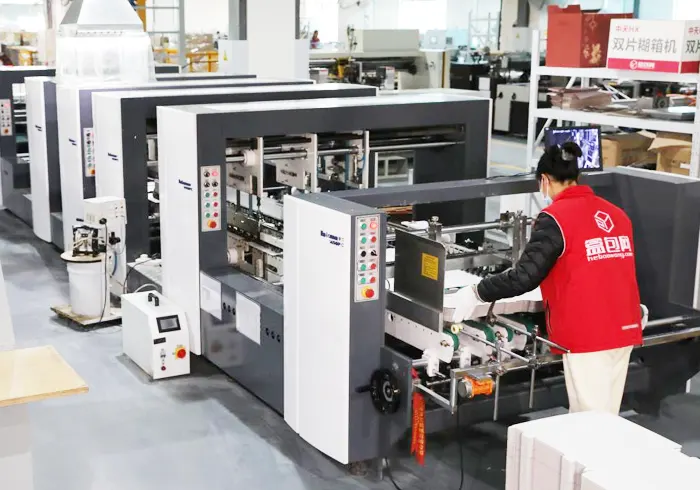
Modern printing technology makes it easier than ever to achieve high-quality results with less ink. Advanced color management systems, precision printing equipment, and improved ink formulations allow printers to produce vibrant graphics and sharp details while using ink more efficiently. This demonstrates that sustainability and visual quality can work together rather than compete. Minimal ink usage also supports compliance with environmental regulations and corporate sustainability commitments. Many organizations are setting targets to reduce material consumption, emissions, and waste throughout their operations. Optimizing ink usage provides a practical way to contribute to these goals while maintaining packaging effectiveness.
Consumer expectations are another driving force behind sustainable printing practices. Environmentally conscious customers increasingly appreciate packaging that reflects responsible resource use. Packaging designs that avoid excessive decoration and unnecessary printing often communicate authenticity, transparency, and environmental awareness, strengthening brand reputation. Ultimately, minimal ink usage supports sustainable printing by reducing resource consumption, improving recyclability, lowering energy use, and minimizing waste. Through thoughtful design, efficient production processes, and advanced printing technologies, companies can create attractive packaging while reducing environmental impact. As sustainability continues to shape the future of packaging, efficient ink usage will remain an important strategy for achieving both environmental and business objectives.