

How Packaging Suppliers Help Solve Design Problems Before Production
A successful packaging project depends on much more than an attractive design. While creative concepts are important for branding and customer appeal, they must also be practical to manufacture, assemble, transport, and use. Many packaging challenges arise long before production begins, and if they are not identified early, they can lead to delays, increased costs, material waste, and inconsistent quality. This is why experienced packaging suppliers play a valuable role during the development stage. Their technical knowledge helps transform creative ideas into packaging solutions that perform efficiently in real-world production.One of the first ways packaging suppliers add value is by reviewing structural feasibility. A box that looks impressive in a digital design may not fold correctly or maintain its shape once produced. Packaging engineers evaluate panel sizes, fold lines, locking mechanisms, and overall construction to ensure the design can be manufactured reliably. Small structural adjustments made before production often prevent assembly problems later.
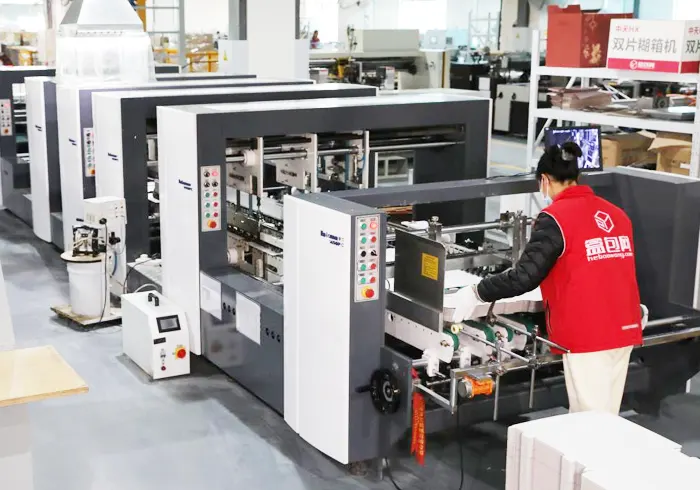
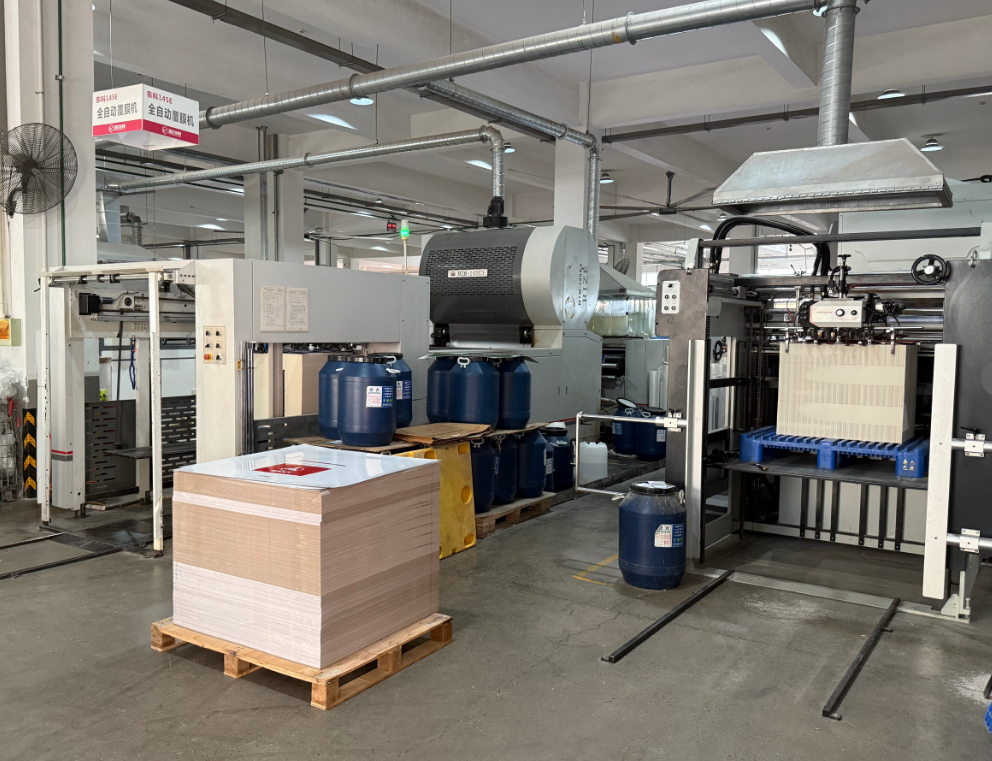
Material selection is another area where supplier expertise is essential. Different paperboard grades have unique characteristics in terms of stiffness, strength, printability, and durability. A supplier can recommend materials that match the product's weight, shipping conditions, and branding goals while avoiding unnecessary costs. Choosing the right material from the beginning reduces the risk of damaged packaging or production difficulties. Packaging suppliers also evaluate whether a design is suitable for mass production. Certain design elements that work well on a prototype may create challenges on high-speed printing, die-cutting, or folding-gluing equipment. Very narrow panels, complex cuts, or excessive decorative features can slow production or increase defect rates. Suppliers help simplify designs where necessary while preserving the intended visual appearance.
Artwork verification is another critical part of the pre-production process. Packaging suppliers review design files for issues such as incorrect bleed settings, missing fonts, low-resolution images, color profile mismatches, and barcode placement. Identifying these problems before printing prevents costly production delays and helps ensure consistent print quality throughout the manufacturing process. Packaging dimensions must also be carefully verified. Even slight measurement errors can result in products fitting too tightly or moving excessively inside the carton. Suppliers often recommend prototype samples so brands can confirm product fit before approving mass production. This step helps avoid costly redesigns after manufacturing has already begun.
Cost optimization is another benefit of early supplier involvement. Packaging suppliers can suggest alternative structures, materials, or finishing techniques that achieve similar visual results at a lower production cost. Sometimes a small modification to the box layout or printing process can significantly reduce material usage, improve manufacturing efficiency, or shorten production time without affecting customer perception. Product protection is equally important during packaging development. Suppliers consider transportation, stacking pressure, humidity, and handling conditions when evaluating a design. If additional reinforcement, inserts, or stronger materials are needed, these recommendations can be incorporated before production starts rather than after products experience shipping damage.
Experienced suppliers also help brands comply with technical and regulatory requirements. They can advise on printing tolerances, labeling standards, barcode positioning, and packaging specifications for different industries or export markets. Addressing these requirements early reduces the likelihood of production interruptions or compliance issues. Prototype development provides another opportunity to solve design problems before large-scale manufacturing. Physical samples allow designers, brand owners, and suppliers to evaluate folding performance, structural strength, print quality, and overall appearance under realistic conditions. Feedback from prototype testing often leads to refinements that improve both manufacturing efficiency and customer experience.
Ultimately, packaging suppliers contribute far more than manufacturing services. Their expertise in engineering, materials, printing, and production helps identify potential issues before they become expensive problems. By involving suppliers early in the packaging development process, brands can reduce costs, improve product protection, streamline production, and achieve higher-quality packaging. Strong collaboration between brand owners and packaging suppliers creates better packaging solutions and lays the foundation for smoother, more successful production.