

How Packaging Data Helps Brands Make Better Design Decisions
Packaging design has traditionally relied heavily on creativity, experience, and visual judgment. While these elements remain important, modern brands are increasingly using packaging data to make more informed decisions. By analyzing information from production, logistics, retail performance, and customer behavior, companies can understand what works, identify weaknesses, and develop packaging solutions that deliver better results. Data-driven packaging decisions help brands reduce risks, improve efficiency, and create designs that better match market expectations. One of the biggest advantages of using packaging data is the ability to understand customer preferences. Consumer responses, purchasing patterns, and product feedback provide valuable insights into how people interact with packaging. For example, brands can analyze whether customers prefer certain box sizes, opening methods, colors, or visual styles. This information helps companies create packaging that is not only attractive but also aligned with real customer needs.
Sales data can also reveal how packaging influences purchasing behavior. When brands compare product performance before and after packaging changes, they can identify whether a new design improves shelf appeal or customer engagement. Data from different markets may show that certain packaging styles perform better with specific consumer groups, allowing companies to make more targeted design choices. Packaging performance data is equally important. Information collected from transportation tests, customer complaints, and product returns can reveal weaknesses in packaging structures. If a certain box design experiences frequent damage during shipping, brands can use this data to improve materials, dimensions, or protective features. This approach helps prevent repeated problems and reduces costs associated with damaged products.
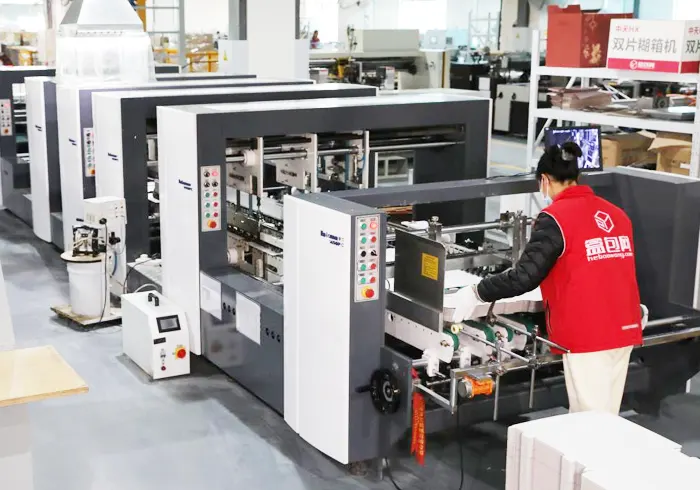
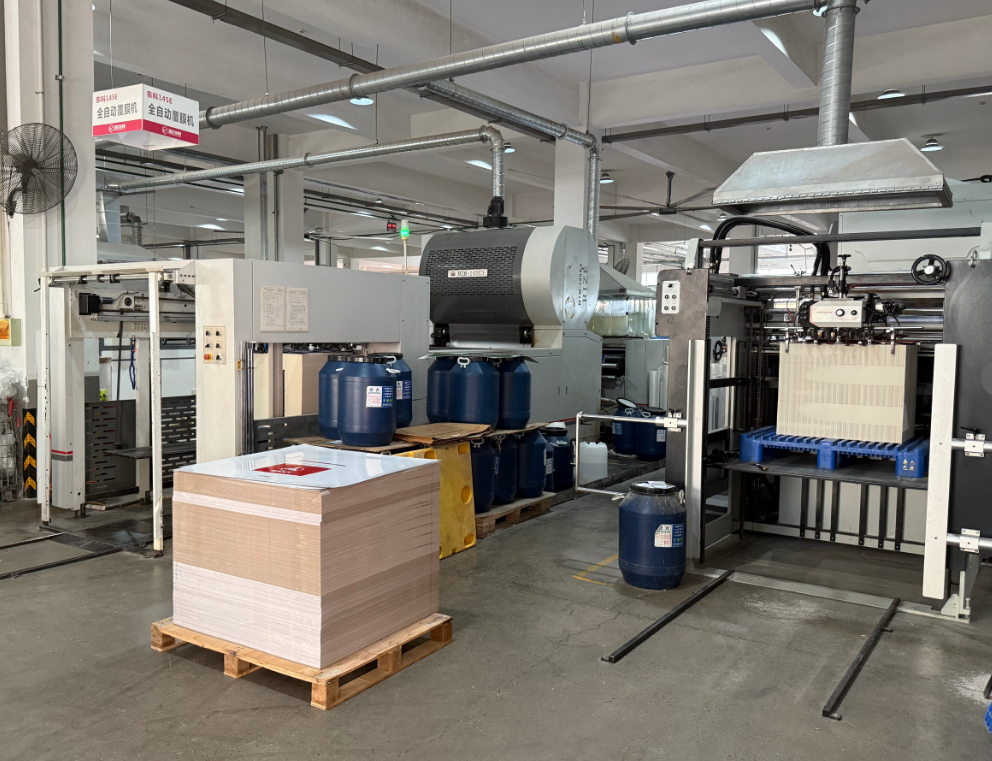
Production data provides another valuable source of insight. Manufacturing information such as defect rates, machine efficiency, material waste, and production speed helps brands evaluate whether a packaging design is practical for large-scale manufacturing. A design may look excellent from a marketing perspective but create production challenges. Data allows companies to identify these issues early and optimize designs for better efficiency. Material usage analysis can help brands achieve both cost savings and sustainability goals. By tracking paperboard consumption, packaging weight, and waste levels, companies can identify opportunities to reduce unnecessary material usage. Data-driven optimization helps create packaging that uses fewer resources while maintaining required strength and product protection.
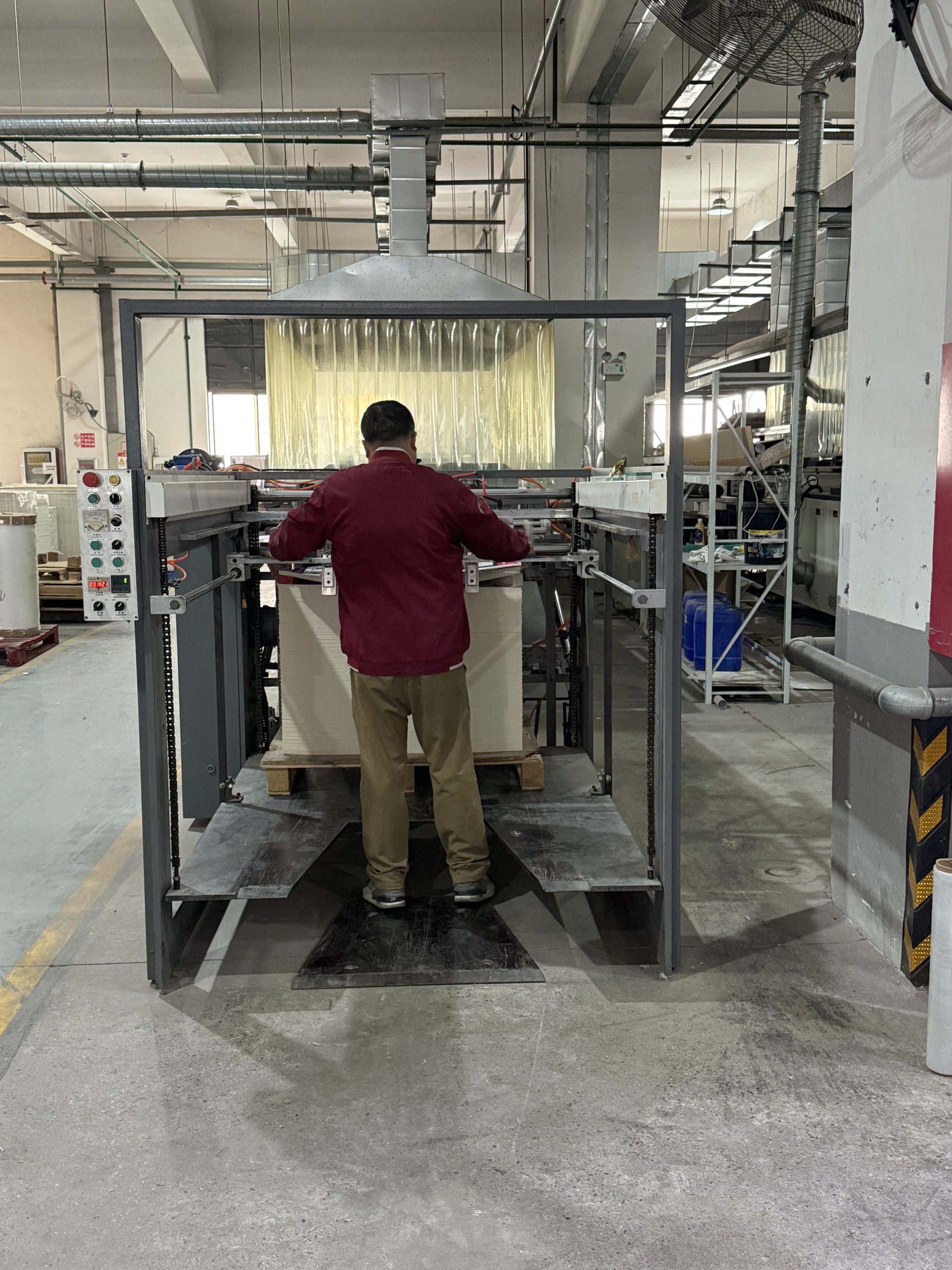
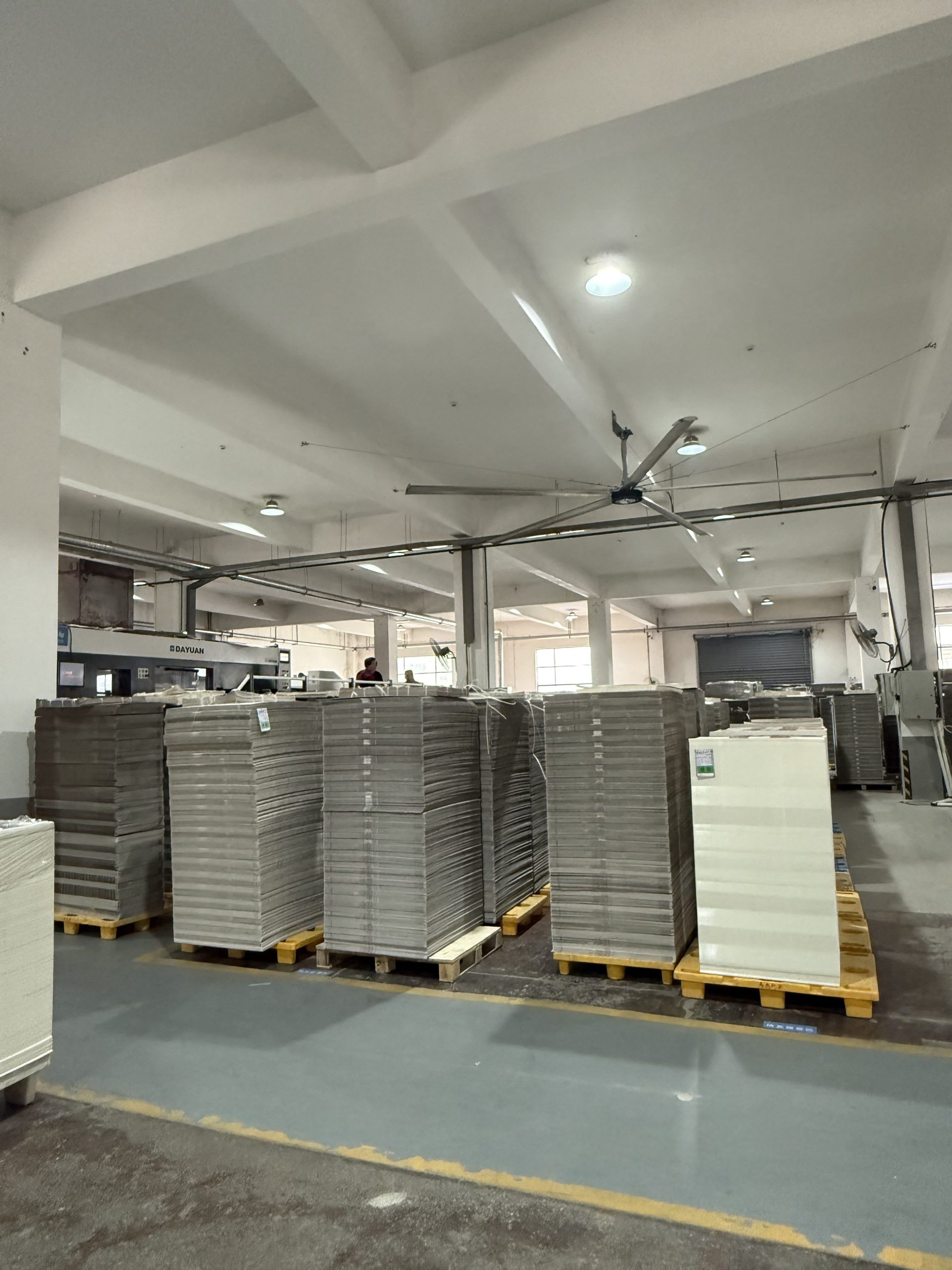
Supply chain data also influences packaging decisions. Information about shipping distances, storage conditions, pallet efficiency, and handling issues helps brands design packaging that performs better throughout distribution networks. For export businesses and e-commerce companies, understanding real shipping conditions allows packaging structures to be improved before problems occur. Retail performance data can guide visual design decisions as well. Brands can analyze shelf placement, product visibility, and customer interaction to determine which packaging elements attract attention. This may include evaluating the effectiveness of colors, graphics, product images, or information placement. Instead of relying only on assumptions, companies can use measurable results to improve packaging impact.
Digital tools have made packaging data easier to collect and analyze. Modern manufacturing systems can track production performance, while online platforms provide insights into customer behavior and purchasing trends. Combined with design software and testing technologies, these tools allow brands to continuously improve packaging throughout the product lifecycle. Data also supports faster decision-making during packaging development. Rather than making changes based only on opinions or trial and error, brands can use existing performance information to guide material selection, structural adjustments, and design improvements. This reduces development risks and helps companies move from concept to production more efficiently.
Ultimately, packaging data helps brands create smarter, more effective designs by connecting creative ideas with measurable results. Through customer insights, production analysis, logistics information, and performance evaluation, companies can develop packaging that improves protection, reduces costs, supports sustainability, and strengthens brand appeal. In an increasingly competitive market, data-driven packaging decisions provide brands with a valuable advantage by ensuring every design choice has a clear purpose and measurable impact.