

The Challenges of Creating Packaging for Multiple Product Sizes
Creating packaging for a single product size can already involve many design and production considerations. However, when brands offer the same product in multiple sizes, packaging development becomes significantly more complex. Different product dimensions require careful planning to maintain brand consistency, optimize manufacturing efficiency, and ensure proper protection. Without a well-designed packaging strategy, multiple product sizes can increase costs, create supply chain challenges, and make production management more difficult. One of the biggest challenges is maintaining a consistent brand identity across different package sizes. Consumers expect products from the same brand family to look connected, regardless of size. However, simply scaling a small package design up or down does not always work. Different dimensions create different visual proportions, which may affect logo placement, text readability, graphics, and overall appearance. Designers must adapt each size while keeping the brand image recognizable.
Structural design is another major challenge. A packaging structure that works well for one product size may not perform effectively for another. Larger packages may require stronger materials, reinforced corners, or additional support to handle increased weight. Smaller packages may need compact structures that prevent excessive empty space. Each size must be engineered individually while still following a unified packaging system. Material selection becomes more complicated when multiple sizes are involved. A small package may only require lightweight paperboard, while a larger version of the same product may need a stronger grade for durability. Using the same material for every size may lead to unnecessary costs or insufficient protection. Packaging engineers must evaluate the requirements of each size and determine the most efficient material solution.
Production efficiency is also affected by multiple packaging variations. Every additional size may require different cutting dies, printing layouts, and production settings. Too many variations can increase setup time, reduce manufacturing efficiency, and complicate quality control. Brands must carefully balance customization needs with production practicality. Inventory management can become challenging as well. Each packaging size requires separate storage space for packaging materials, including printed cartons, labels, inserts, and other components. Managing too many packaging variations increases the risk of excess inventory or outdated materials. A well-planned packaging system helps reduce unnecessary stock while ensuring each product size can be supplied efficiently.
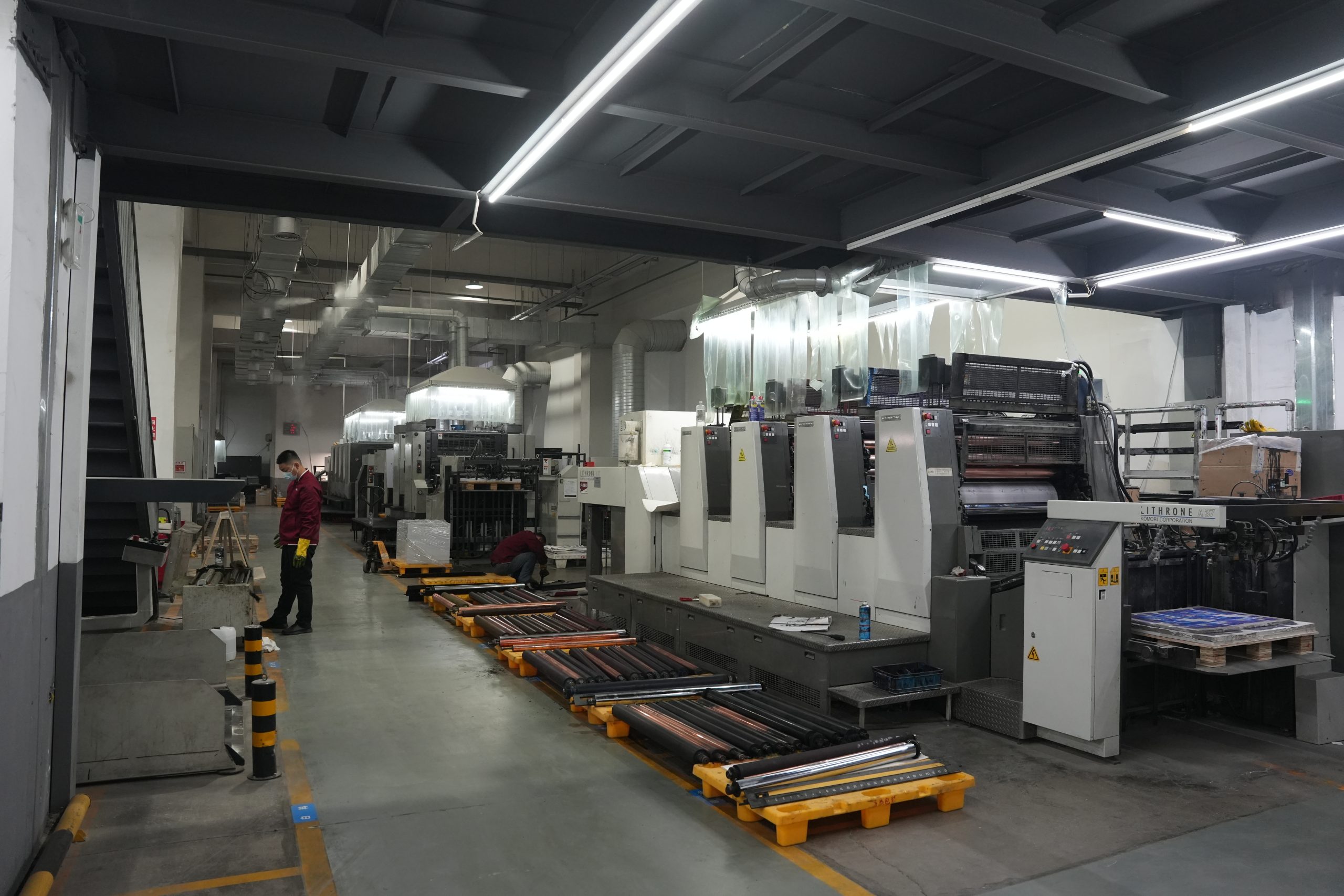
Printing consistency across multiple sizes requires careful attention. Colors, graphics, and design elements must remain consistent even when printed on different carton dimensions. Differences in layout proportions, printing areas, or production batches can create noticeable variations. Proper color management and quality control processes are essential to maintain a unified brand appearance. Transportation and logistics requirements may also vary between product sizes. Larger packages may require stronger protection during shipping, while smaller packages may need optimized dimensions to avoid wasted space. Packaging design should consider pallet arrangement, warehouse storage, and shipping efficiency for every size option. Poorly optimized packaging can increase logistics costs and reduce supply chain efficiency.
Sustainability presents another challenge. Offering multiple product sizes can sometimes lead to increased material consumption if each package is not carefully optimized. Oversized packaging creates unnecessary waste, while undersized packaging may compromise product protection. Right-sizing each package helps brands reduce material usage while maintaining functionality. Consumer convenience must also be considered. Different product sizes often serve different purchasing situations, such as trial packs, standard products, and bulk options. Packaging should make each size easy to identify and use while clearly communicating the product differences. Confusing size variations can negatively affect the customer experience.
To overcome these challenges, brands should work closely with experienced packaging suppliers during the development stage. Packaging specialists can help create a flexible design system that supports multiple sizes while maintaining consistent branding, efficient production, and reliable performance. Through proper planning, brands can reduce complexity and achieve a packaging range that works effectively across their entire product portfolio. Ultimately, creating packaging for multiple product sizes requires a balance between design, functionality, cost control, and operational efficiency. Successful packaging systems are not created by simply resizing existing designs—they require careful engineering and strategic planning. By considering materials, structures, manufacturing processes, logistics, and customer needs, brands can develop packaging solutions that support product growth while maintaining consistency and efficiency.