

How Packaging Suppliers Balance Customization and Production Efficiency
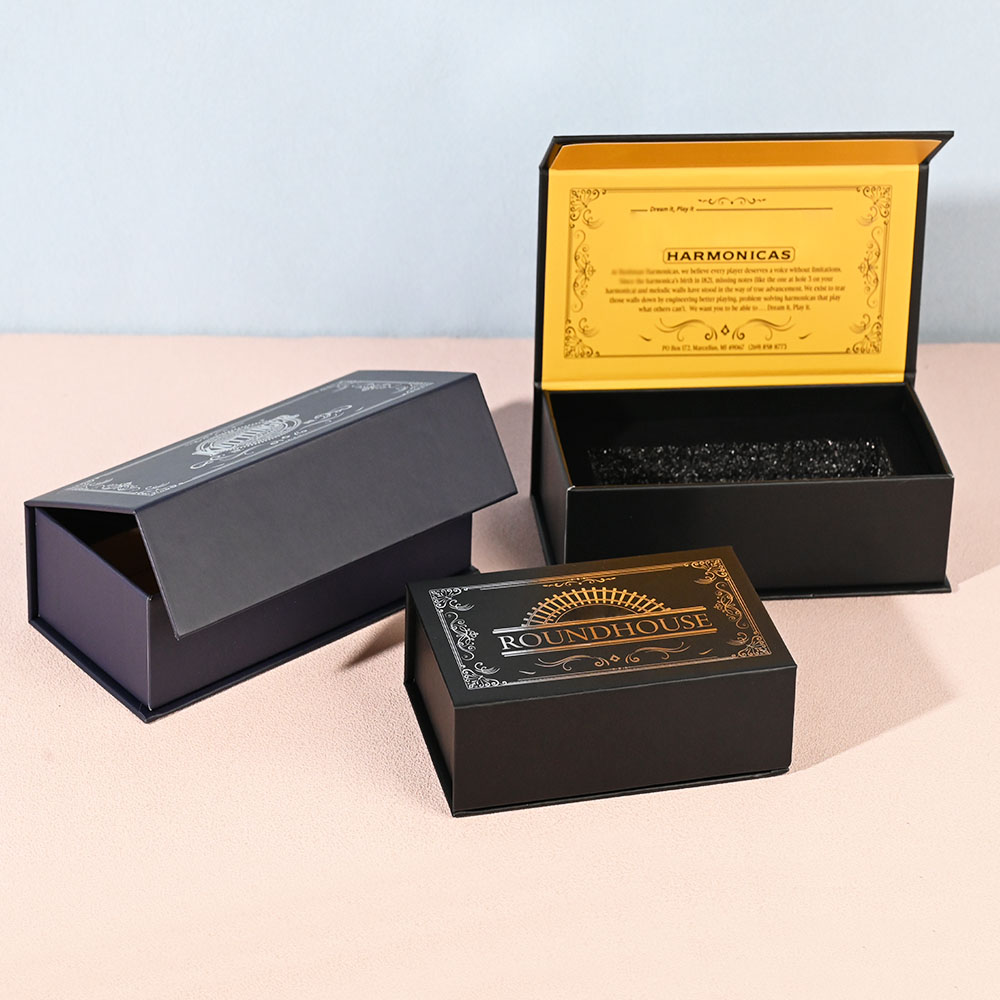
Modern brands increasingly rely on custom packaging to differentiate their products in competitive markets. Unique structures, special finishes, personalized graphics, and customized sizes can help products attract attention and create stronger brand recognition. However, excessive customization can also increase production complexity, lead to higher costs, and slow down manufacturing processes. For packaging suppliers, one of the biggest challenges is finding the right balance between creative customization and efficient production. Customization begins with understanding the brand’s goals and product requirements. Packaging suppliers need to consider factors such as product positioning, target customers, sales channels, and transportation conditions before recommending a solution. A luxury product may require premium materials and decorative finishes, while an e-commerce product may prioritize durability and shipping efficiency. The most effective customization focuses on features that create real value rather than adding unnecessary complexity.
One important way suppliers balance customization and efficiency is through smart structural design. A completely unique packaging structure may require new tooling, additional testing, and slower production processes. Instead, experienced suppliers often modify proven structures to achieve a customized appearance while maintaining manufacturing reliability. Small adjustments to dimensions, folding methods, or closure designs can create differentiation without significantly increasing production challenges. Material selection also plays a key role in achieving this balance. Brands often want packaging that looks premium, but the chosen materials must also work well with printing, die-cutting, folding, and assembly equipment. Packaging suppliers help identify materials that provide the desired appearance and performance while remaining suitable for efficient mass production. This prevents situations where attractive designs create manufacturing difficulties.
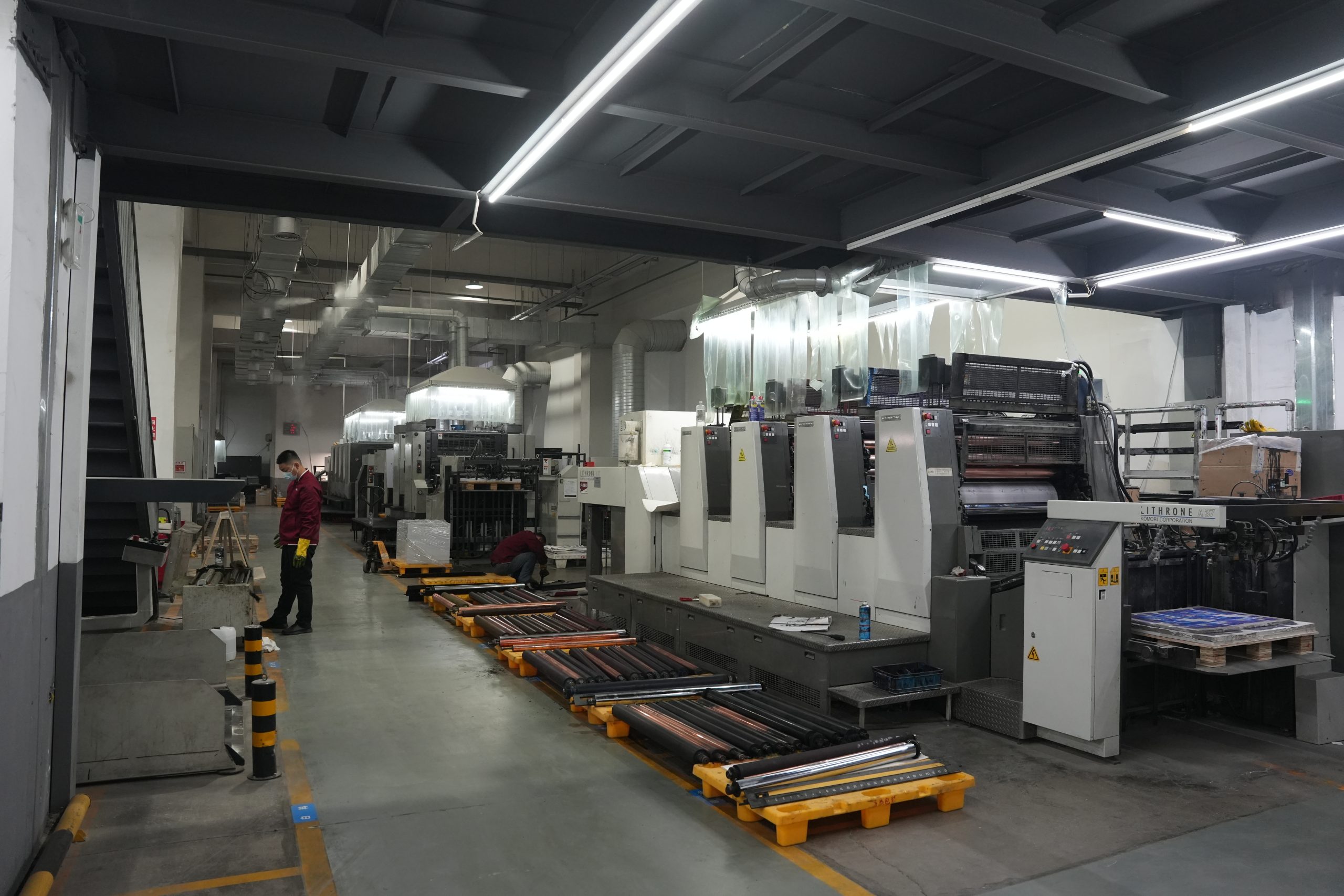
Printing technology provides another opportunity for customization without sacrificing efficiency. Modern printing methods allow brands to create unique packaging designs while maintaining streamlined production processes. For example, digital printing can support shorter runs and personalized packaging, while traditional printing methods remain effective for large-volume projects. Selecting the right printing approach helps suppliers meet different customization requirements while controlling costs. Production planning is essential when managing customized packaging orders. Multiple design variations, colors, or product sizes can increase manufacturing complexity if not properly organized. Packaging suppliers use production scheduling, standardized processes, and quality control systems to manage different requirements while maintaining consistent output. Effective planning ensures that customization does not negatively affect delivery times or product quality.
Automation also helps suppliers maintain efficiency while offering customized solutions. Advanced printing, cutting, folding, and inspection equipment allows manufacturers to produce complex packaging designs with greater accuracy and speed. Automation reduces manual errors and improves consistency, making it easier to handle customized projects at larger production volumes. Prototyping and testing are important steps in balancing creativity with practicality. Before mass production, suppliers create samples to evaluate appearance, structure, assembly performance, and durability. This process allows brands to refine customized designs while identifying potential production issues early. Making adjustments during the prototype stage is much more efficient than correcting problems after large-scale manufacturing begins.
Experienced packaging suppliers also guide brands toward cost-effective customization. Not every design feature provides equal value to customers. Suppliers can recommend which elements, such as special coatings, embossing, window designs, or unique structures, will have the greatest impact while avoiding unnecessary expenses. This helps brands achieve distinctive packaging without exceeding budget expectations. Supply chain considerations must also be included in customization decisions. Highly customized packaging may require specialized materials, longer production preparation, or additional inventory management. Suppliers help brands evaluate whether customization choices support their overall business goals, including storage requirements, delivery schedules, and future product expansion.
Ultimately, balancing customization and production efficiency requires both creativity and technical expertise. The best packaging solutions are not simply the most unique—they are designs that combine brand differentiation with reliable manufacturing performance. Through smart structural engineering, appropriate material selection, advanced production methods, and close cooperation with brands, packaging suppliers help create customized packaging that is attractive, efficient, and commercially successful.