

How Packaging Innovation Helps Brands Improve Market Competitiveness
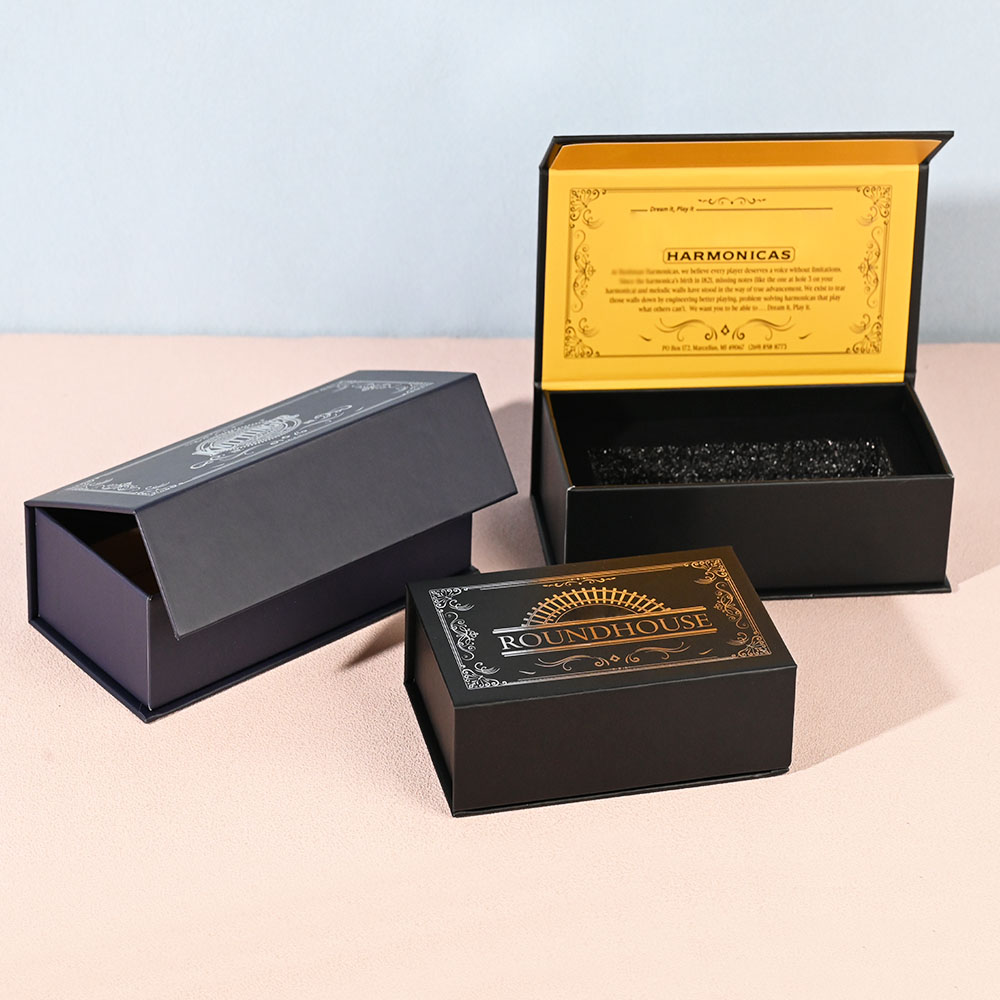
In today's competitive marketplace, product quality alone is often not enough to secure long-term success. Consumers have more choices than ever before, and brands must find effective ways to differentiate themselves. Packaging has evolved from being a simple protective container into a strategic business tool that supports branding, improves customer experience, and enhances operational efficiency. Through continuous innovation, packaging helps businesses respond to changing market demands and strengthen their competitive position. One of the most visible benefits of packaging innovation is stronger product differentiation. In crowded retail environments, consumers often make purchasing decisions within a matter of seconds. Innovative packaging designs, distinctive structures, and thoughtful visual presentation help products capture attention and make a memorable first impression. While the product inside remains the most important factor, attractive and functional packaging encourages consumers to pick up the product and learn more.
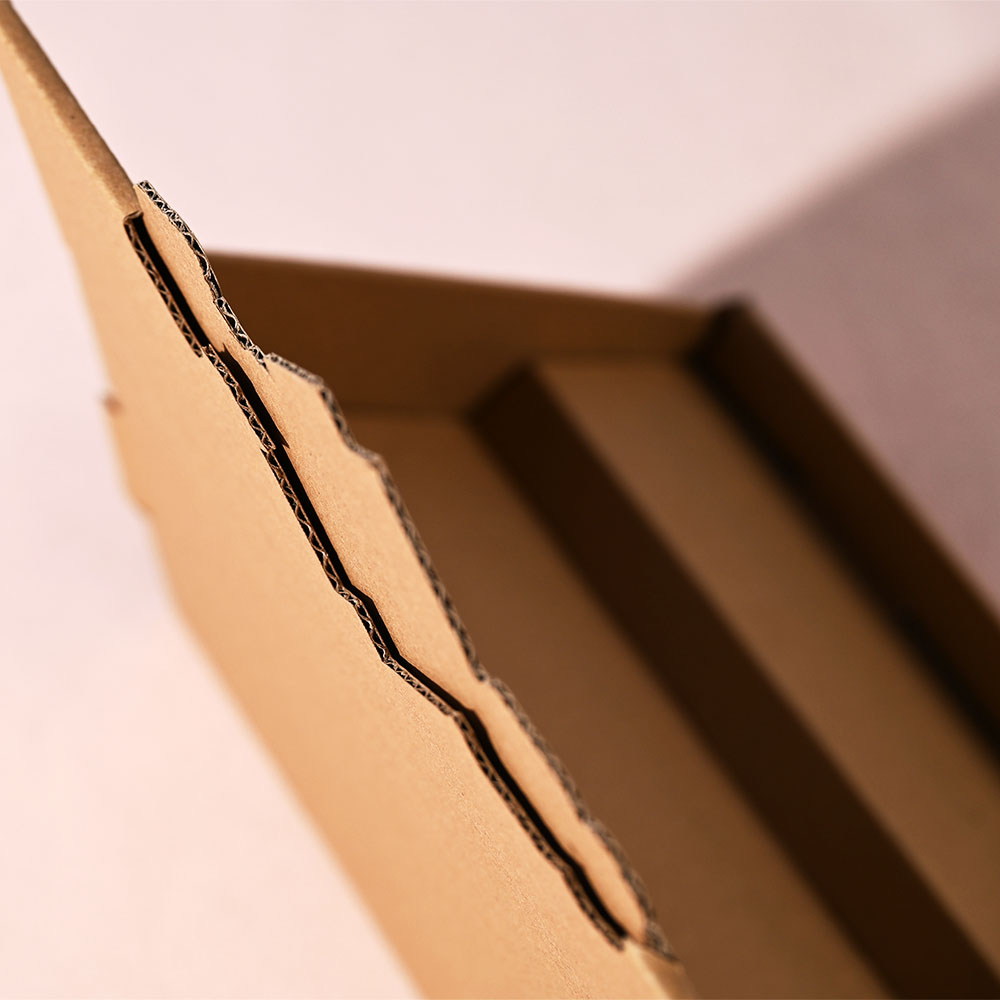
Innovation also improves customer experience. Today's consumers value packaging that is easy to open, convenient to store, and simple to dispose of responsibly. Features such as resealable closures, ergonomic designs, and user-friendly opening mechanisms enhance usability without changing the product itself. A positive packaging experience increases customer satisfaction and can encourage repeat purchases. Packaging innovation is equally important for product protection. New materials, improved structural designs, and optimized internal supports help reduce damage during transportation and storage. Better protection means fewer product returns, lower replacement costs, and improved customer confidence. This is particularly valuable for fragile products, export shipments, and growing e-commerce businesses, where products travel through complex logistics networks before reaching customers.
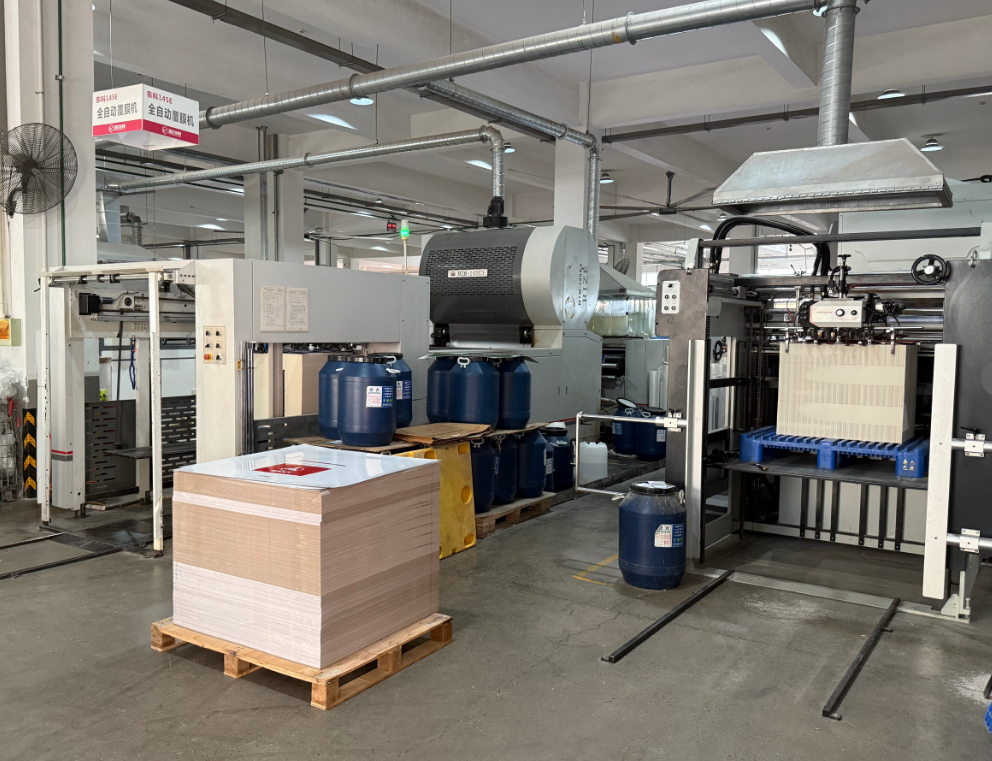
Sustainability has become another major driver of packaging innovation. Many brands are replacing unnecessary packaging materials with lighter, recyclable, or renewable alternatives. Optimized structures reduce material consumption without compromising performance, while environmentally responsible packaging demonstrates a company's commitment to sustainable business practices. These improvements not only reduce environmental impact but also appeal to consumers who increasingly consider sustainability when making purchasing decisions. Production efficiency is another area where innovation creates competitive advantages. Packaging designed for automated manufacturing, faster assembly, and reduced material waste helps companies improve productivity while lowering operating costs. Efficient packaging systems reduce production downtime and simplify handling throughout the supply chain, allowing businesses to respond more quickly to market demand.
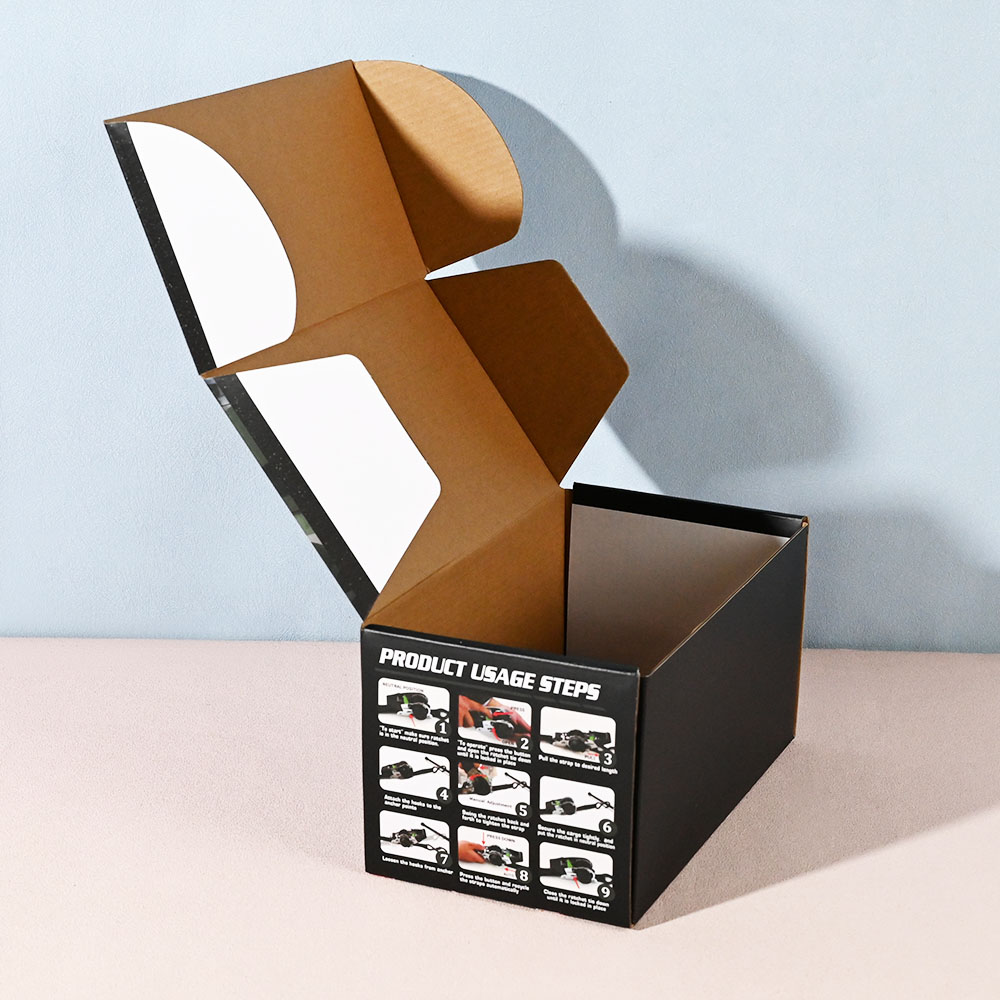
Advances in printing technology have expanded opportunities for packaging innovation as well. High-quality graphics, shorter production runs, and faster design updates allow brands to launch seasonal campaigns, limited editions, and regional packaging variations with greater flexibility. This enables companies to react more quickly to changing consumer preferences and marketing opportunities. Packaging innovation also supports stronger brand communication. Modern packaging can present product information more clearly through improved layouts, icons, and graphics, helping consumers understand product benefits at a glance. Technologies such as QR codes can connect printed packaging to digital content, providing access to user guides, product authentication, or promotional campaigns without overcrowding the package with text.
Supply chain performance can also benefit from innovative packaging solutions. Right-sized packaging, lightweight materials, and stackable designs improve warehouse utilization and transportation efficiency. These improvements reduce shipping costs, maximize storage capacity, and simplify logistics management. As supply chains become increasingly global, efficient packaging contributes directly to overall business competitiveness. Collaboration with experienced packaging suppliers is often essential for successful innovation. Suppliers contribute expertise in structural engineering, material development, printing technologies, and manufacturing processes. By involving packaging specialists early in product development, brands can identify practical innovations that balance creativity, cost, and production efficiency.
Ultimately, packaging innovation helps brands compete by delivering value across multiple areas of the business. It strengthens product differentiation, improves customer experience, enhances product protection, supports sustainability, increases manufacturing efficiency, and optimizes supply chain performance. Rather than focusing solely on appearance, successful packaging innovation combines functional improvements with strategic business objectives. Brands that continue to invest in thoughtful packaging development are better positioned to adapt to changing markets, build stronger customer relationships, and achieve sustainable long-term growth.