

Why Carton Grain Direction Matters in Folding and Packaging Performance
When designing a folding carton, attention is often focused on dimensions, graphics, paperboard thickness, and finishing. One technical detail that can be overlooked is grain direction. The direction in which paperboard fibers run can affect how a carton folds, holds its shape, and performs during production and transportation. For packaging manufacturers, understanding grain direction is an important part of producing cartons that are both visually consistent and structurally reliable. Paperboard is not equally flexible in every direction. Its fiber structure gives it different mechanical characteristics depending on how it is folded or bent. When a carton is designed without considering grain direction, certain folds may require more force, produce rough edges, or develop cracks. Proper grain orientation helps the board behave more predictably during folding and forming.
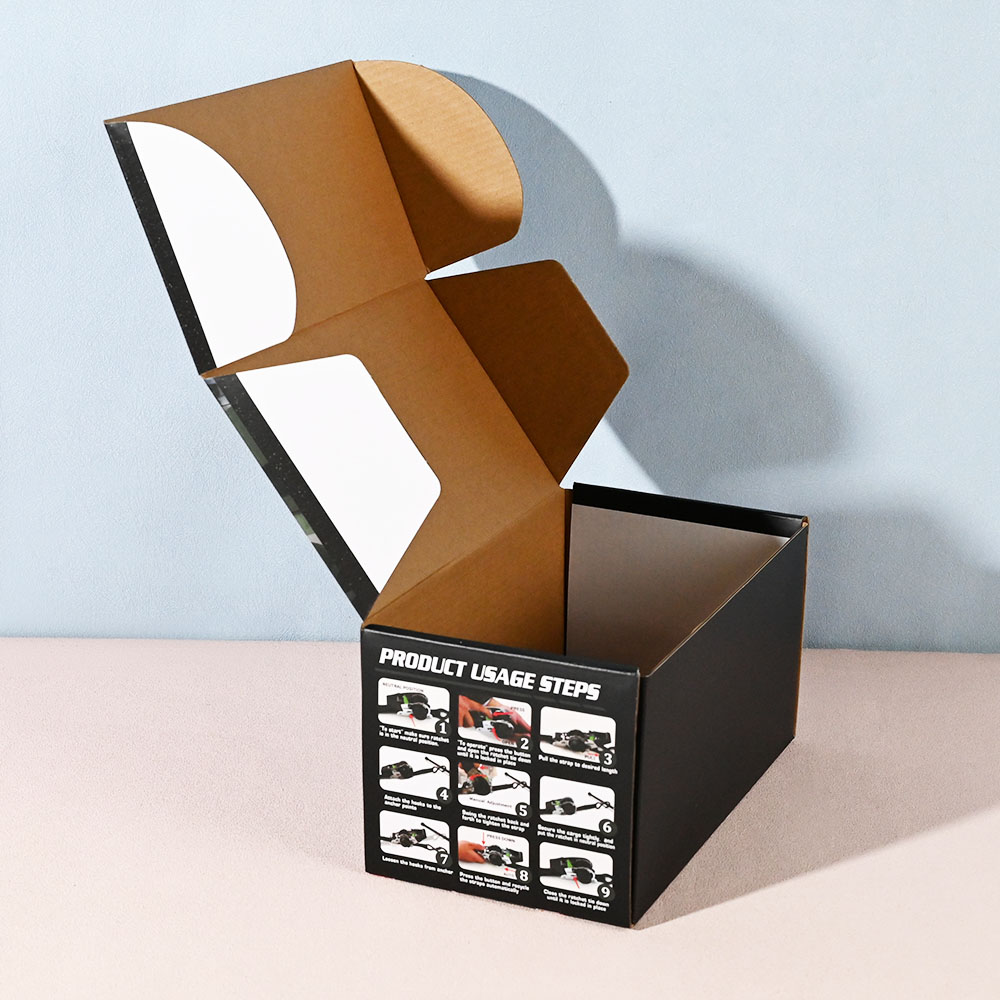
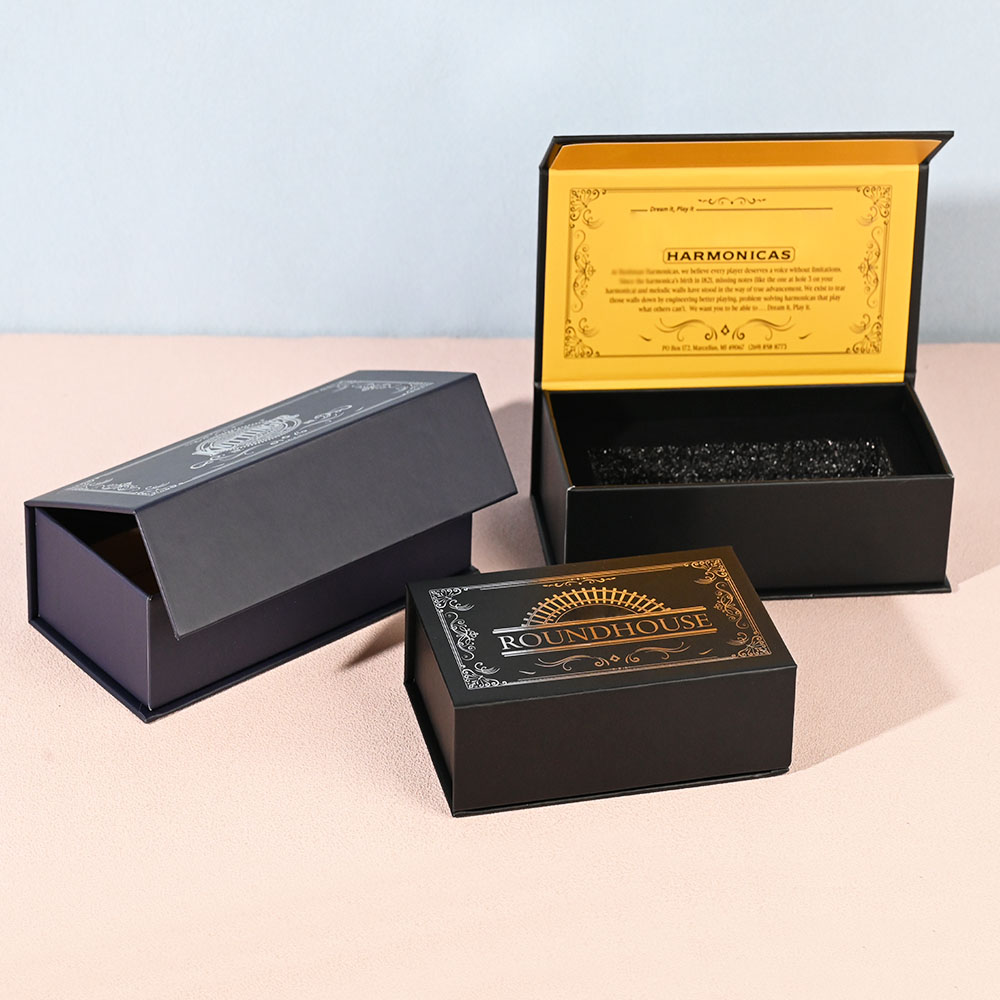
Folding performance is one of the clearest areas where grain direction matters. A carton contains multiple score lines that guide the board into its final shape. When these folds are designed in an appropriate relationship to the grain, the carton can generally fold more smoothly and consistently. If the orientation is poorly selected, folding may become more difficult, particularly when working with heavier paperboard or complex structures. Cracking along fold lines is another potential problem. Folding places stress on the printed and coated surface of the board. When the grain direction and scoring conditions are not properly considered, the surface can crack or break along sharp folds. This can be especially noticeable on dark-colored cartons, where exposed fibers create a visible contrast against the printed surface.
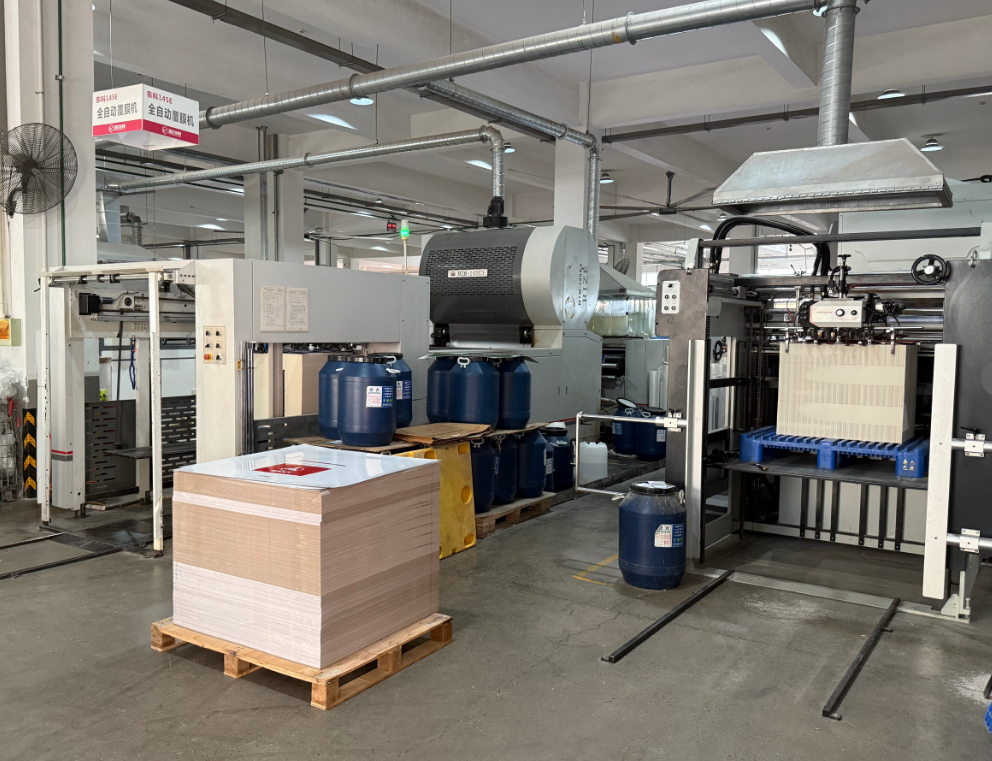
Grain direction can also influence carton rigidity. Depending on the structural design, orienting the board appropriately can help panels maintain their intended shape after folding. This is particularly important for cartons that need to remain upright on retail shelves or withstand stacking and handling during transportation. Printing and finishing considerations should also be taken into account. Coatings, laminations, and other finishing treatments can affect how the board behaves during folding. A packaging structure that combines heavy ink coverage, specialty finishes, and multiple folds may require more careful grain-direction planning to avoid surface defects and dimensional instability.
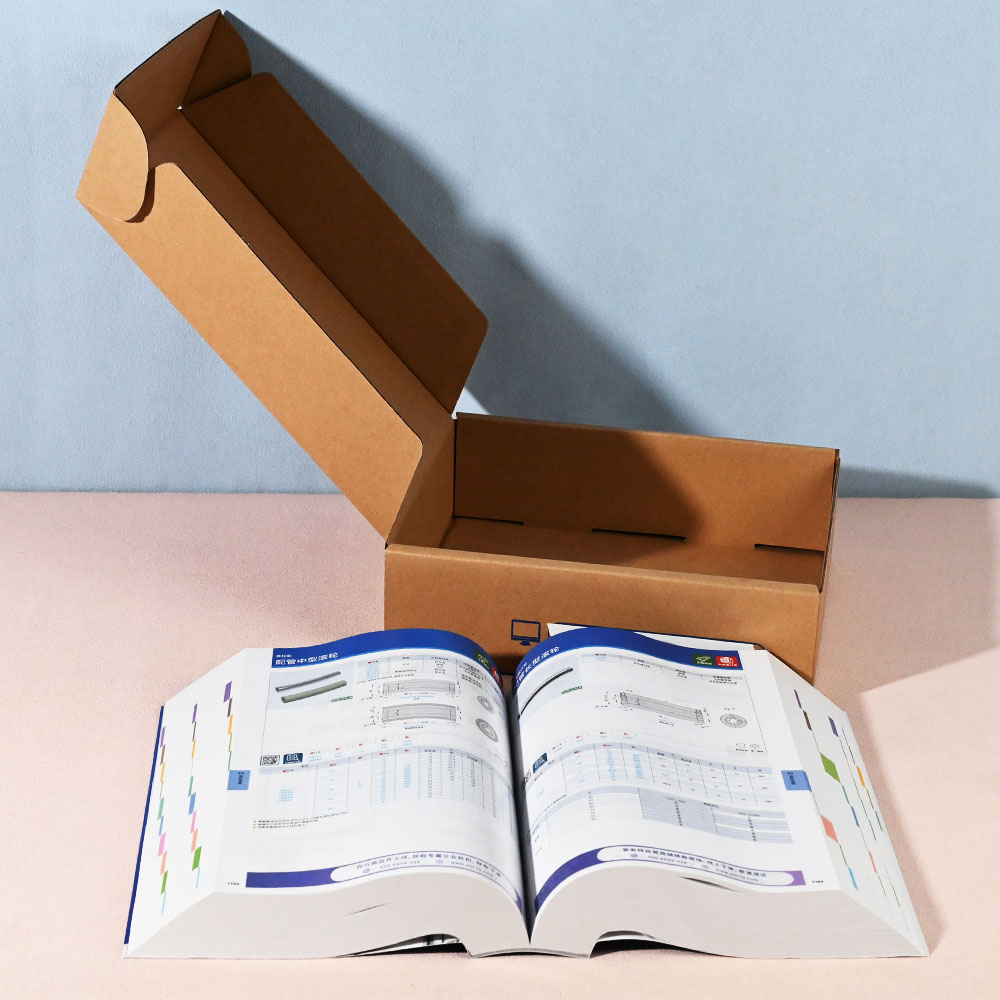
Material thickness makes grain direction even more important. Thicker paperboard generally has greater resistance to bending, meaning that incorrect orientation can make certain folds more difficult to execute. Experienced packaging manufacturers consider board thickness, grain direction, scoring depth, and folding geometry together rather than treating them as separate specifications. Grain direction also affects production efficiency. Folding and gluing machines operate at high speeds, so cartons need to behave consistently as they move through the equipment. If the board resists folding or does not hold its shape properly, production speeds may need to be reduced or adjustments may be required. Proper grain orientation helps improve machine performance and reduce production interruptions.
Choosing the correct grain direction is not always straightforward because carton layouts must also consider sheet utilization. Orienting every component according to the ideal grain direction may result in more material waste. Packaging engineers therefore need to balance grain direction with sheet size, dieline arrangement, structural requirements, and production economics. This is where prototype testing becomes valuable. A physical carton sample allows manufacturers to evaluate how the selected paperboard behaves during scoring, folding, gluing, and assembly. If cracking, distortion, or excessive folding resistance appears during testing, the grain direction or structural design can be adjusted before mass production.
Ultimately, grain direction is a small technical detail with a significant influence on carton performance. It affects folding behavior, surface quality, structural stability, and manufacturing efficiency. By considering grain direction together with material selection, scoring, structural design, and production requirements, packaging manufacturers can create cartons that fold more reliably, maintain their appearance, and perform consistently throughout the supply chain.