

What Makes a Well-Designed Gift Box More Appealing to Customers?
A gift box is often the first thing a recipient notices before discovering what is inside. Its shape, color, texture, and opening experience can influence how the gift is perceived, sometimes before the product itself comes into view. For brands, this makes gift box packaging more than a protective outer layer. A thoughtfully designed box can create anticipation, communicate quality, and make an ordinary purchase feel more special. The overall structure is one of the first details that affects a customer's impression. A box should feel appropriate for the product it contains, whether it is a small jewelry item, a beauty set, a food gift, or a collection of corporate gifts. A rigid box may provide a premium feel, while a folding carton can offer a lighter and more economical option. The best choice depends on the product, target customers, budget, and intended use.
Color selection also plays an important role in gift packaging. Soft, neutral shades may suit minimalist or luxury products, while brighter colors can create a lively impression for seasonal gifts. Some brands prefer consistent signature colors to strengthen recognition across their product ranges. Rather than choosing colors simply because they look attractive, designers should consider how the palette fits the brand's identity and the expectations of the intended audience. Material quality can influence the way customers judge a gift box. Smooth paper surfaces, clean edges, firm panels, and accurate folding can make the package feel carefully produced. On the other hand, uneven corners, visible glue marks, or damaged surfaces may weaken the overall impression. Selecting suitable paperboard and maintaining consistent manufacturing quality help ensure that the finished box looks as good in a customer's hands as it does in a design presentation.
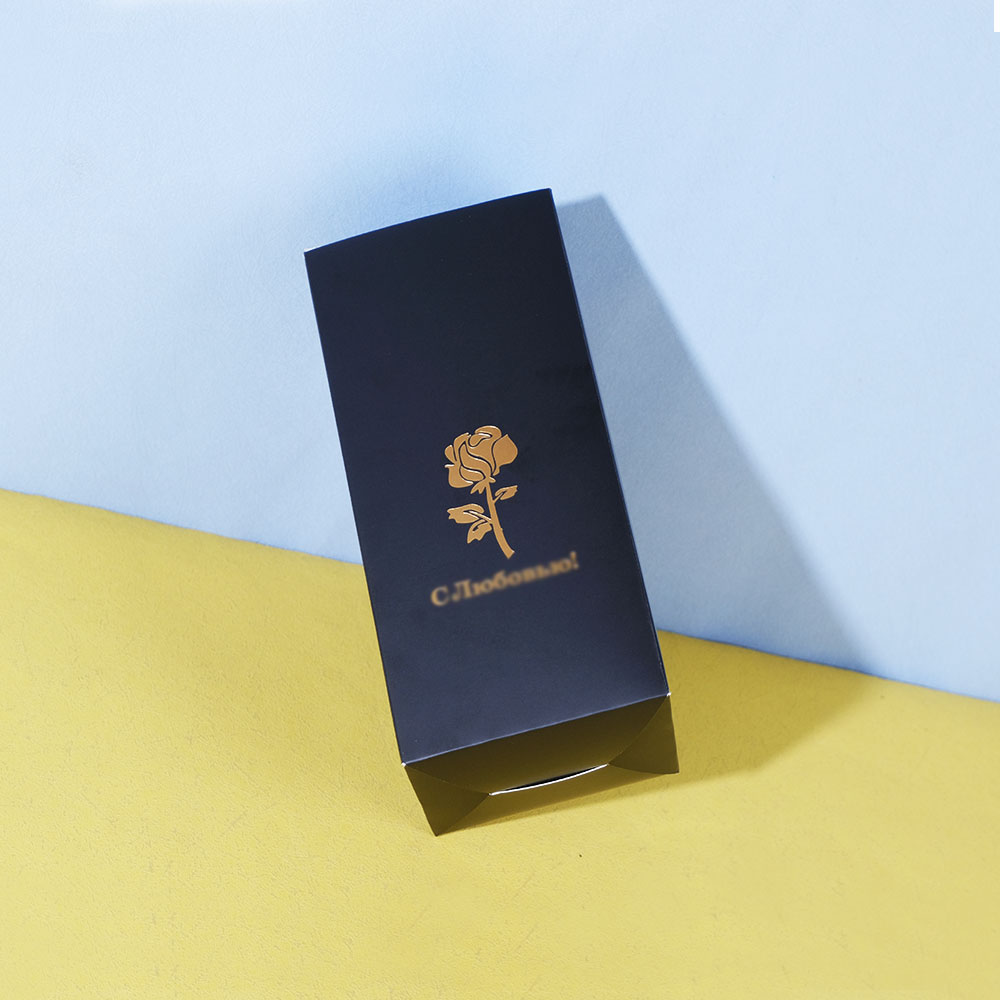
Printing and finishing provide additional opportunities to distinguish gift packaging. Clear graphics, well-balanced typography, and accurate brand colors help create a polished appearance. Finishing options such as matte or gloss coating, embossing, debossing, and foil stamping can add visual or tactile interest when used appropriately. These techniques do not need to cover every surface. Often, one carefully selected detail creates a more refined result than several decorative effects competing for attention. The way a gift box opens can be just as important as its exterior appearance. A lid that lifts smoothly, a magnetic closure that feels secure, or an inner tray that presents the product neatly can make the unboxing experience more enjoyable. Poorly designed openings, tight-fitting components, or loose inserts can have the opposite effect. Packaging designers should consider the entire sequence, from picking up the box to removing the product, rather than focusing only on how the closed package looks.
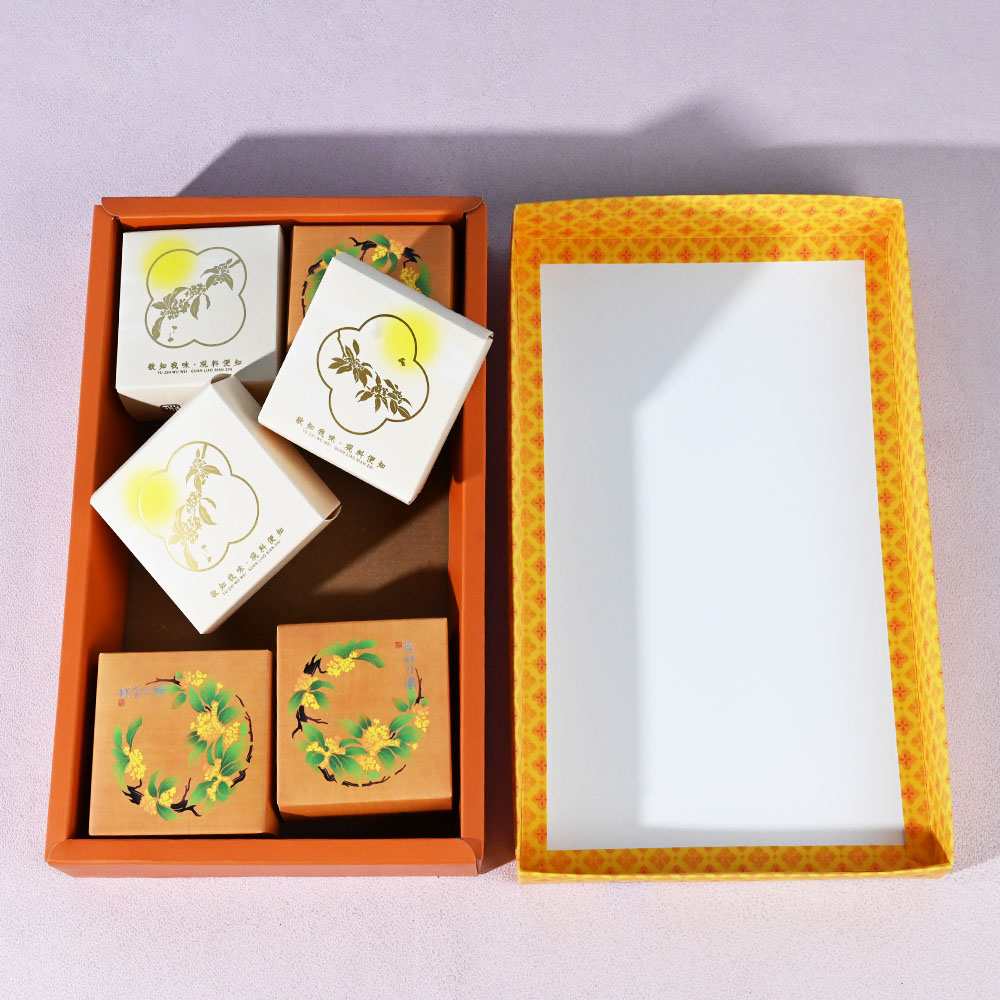
Internal organization is particularly important when a gift includes several items. Compartments, paper inserts, and fitted trays can keep products in place while giving each item its own space. For beauty sets, for example, a well-arranged interior can prevent bottles and accessories from shifting. For food gifts, the internal structure may need to separate individual products and accommodate their shapes. A good layout balances presentation with practical protection. Proportion is another detail that can easily be overlooked. A box that is much larger than its contents may appear wasteful, while one that is too small can make the product difficult to remove or leave little room for protective materials. Accurate dimensions help create a balanced presentation and can reduce unnecessary packaging material. Before finalizing the design, manufacturers should test the box with the actual products and any inserts that will be used.
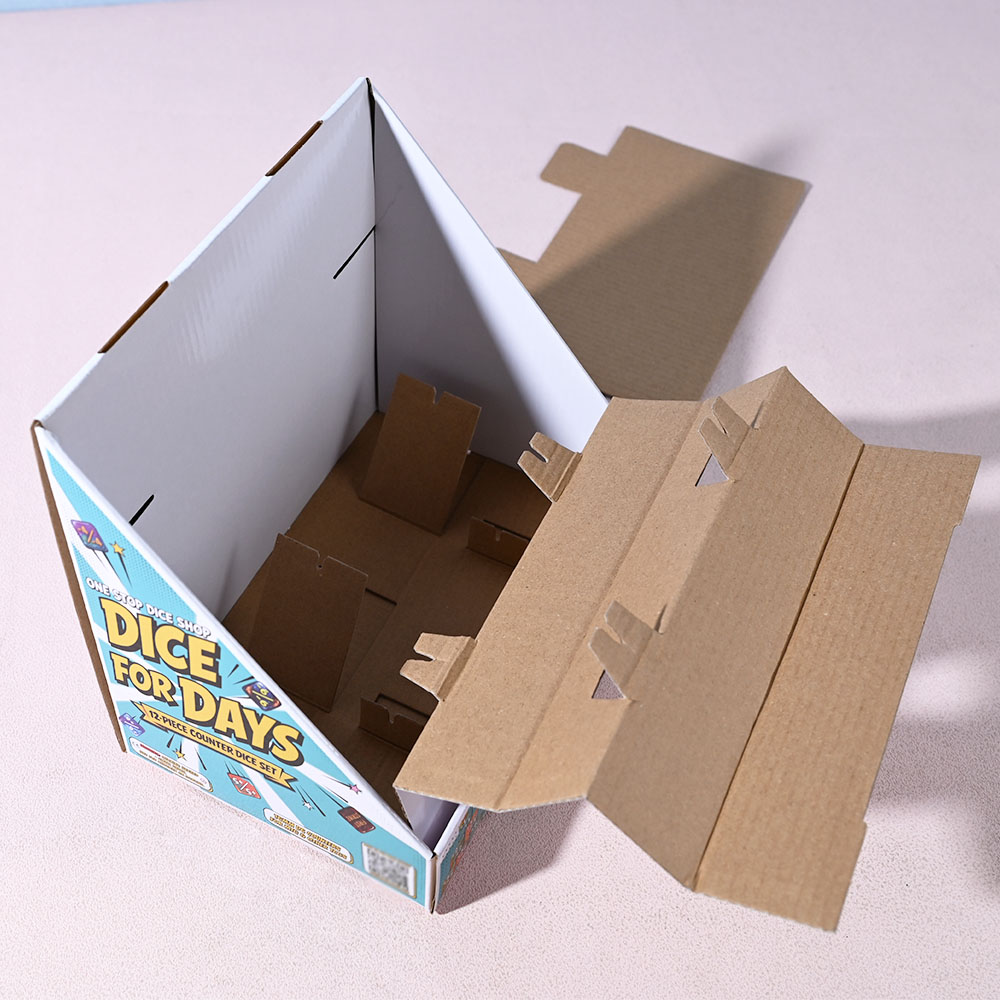
Gift boxes also need to suit their intended occasion. Packaging for holiday gifts may use seasonal colors and decorative patterns, while corporate gift boxes often benefit from a more restrained design. Wedding favors, promotional gifts, and premium retail sets each have different presentation requirements. Understanding where and how the box will be used helps brands make design decisions that feel appropriate rather than relying on a one-size-fits-all approach. Practical handling should not be sacrificed for appearance. Gift boxes may pass through filling stations, warehouses, delivery networks, and retail displays before reaching the recipient. Their structures should withstand normal handling and protect the contents from avoidable damage. For heavier products, the bottom and corners need sufficient support. For products with delicate surfaces, the interior may require cushioning or separation. Attractive packaging is only effective when it can also perform its basic protective function.
Cost is another factor that shapes gift box design. Special finishes, complex structures, and multiple internal components can increase production expenses. However, a premium appearance does not always require the most elaborate construction. A suitable paperboard grade, carefully arranged graphics, accurate printing, and a simple but effective structure can create a strong impression. Brands should identify the features that matter most to their customers and invest in those details first. Before mass production, reviewing a physical sample is an important step. A sample allows the brand to assess the color, material feel, structural stability, opening experience, and product fit under real conditions. It can also reveal whether decorative elements appear as intended on the selected material. Making adjustments at this stage helps reduce the risk of costly revisions and ensures that the final packaging reflects the original design objectives.
Ultimately, an appealing gift box brings several elements together: an appropriate structure, suitable materials, balanced colors, thoughtful finishing, and a satisfying opening experience. For Wuxi Box Printing Technology Co., Ltd., careful coordination of printing, material selection, and post-press processes can help brands develop gift packaging that supports both product protection and visual presentation. When every detail serves a clear purpose, the box becomes part of the gift itself, helping create a memorable experience for the person receiving it.