

Clothes and Shoes Boxes: Packaging That Protects Products and Builds Brand Identity
Clothing and footwear packaging does more than keep products together before they reach customers. It is often the first physical interaction between a brand and its buyer, especially for online purchases and premium retail products. A well-designed clothes or shoes box helps protect items during storage and transportation while creating a consistent brand image. From everyday apparel packaging to premium footwear boxes, the right combination of structure, material, and printing can make a noticeable difference. Clothes boxes are commonly used for shirts, dresses, sweaters, trousers, accessories, and gift sets. Unlike some fragile products, clothing does not always require heavy protective packaging, but it still needs enough space to remain neatly folded. A box that is too small may compress garments and create unwanted creases, while an oversized package can allow items to shift during delivery. Choosing appropriate dimensions helps maintain product presentation and makes packing more convenient.
Shoes have different packaging requirements because their shape, weight, and materials vary considerably. Sneakers, leather shoes, boots, and children's footwear cannot always use the same box structure. The package needs to accommodate the shoes without excessive pressure on the upper materials or decorative details. A properly sized shoe box also provides space for tissue paper, shoe inserts, or other protective materials when necessary. Material selection is one of the most important decisions in clothes and shoes box production. Folding cartons may be suitable for lightweight apparel and accessories, while corrugated paper boxes can provide additional strength for heavier products or transportation requirements. For premium footwear and gift packaging, rigid boxes may offer a more substantial appearance. The choice should depend on product weight, distribution conditions, brand positioning, and production budget.
Structural design also affects how well the packaging performs. A shoe box needs a stable base and a lid that fits securely without becoming difficult to remove. Clothing boxes may use tuck-end structures, hinged lids, or separate covers depending on the intended presentation. Reinforced corners and well-designed folding panels can help maintain the box shape during stacking and handling. These details are particularly important for brands that ship products over long distances. Printing gives clothing and footwear brands an opportunity to communicate their identity through packaging. Logos, brand colors, product names, and graphic patterns can turn a simple box into a recognizable part of the customer experience. Some brands prefer understated designs with minimal printing, while others use bold graphics to create stronger shelf visibility. Whatever the style, consistent color reproduction and clear printing help maintain a unified appearance across different product collections.
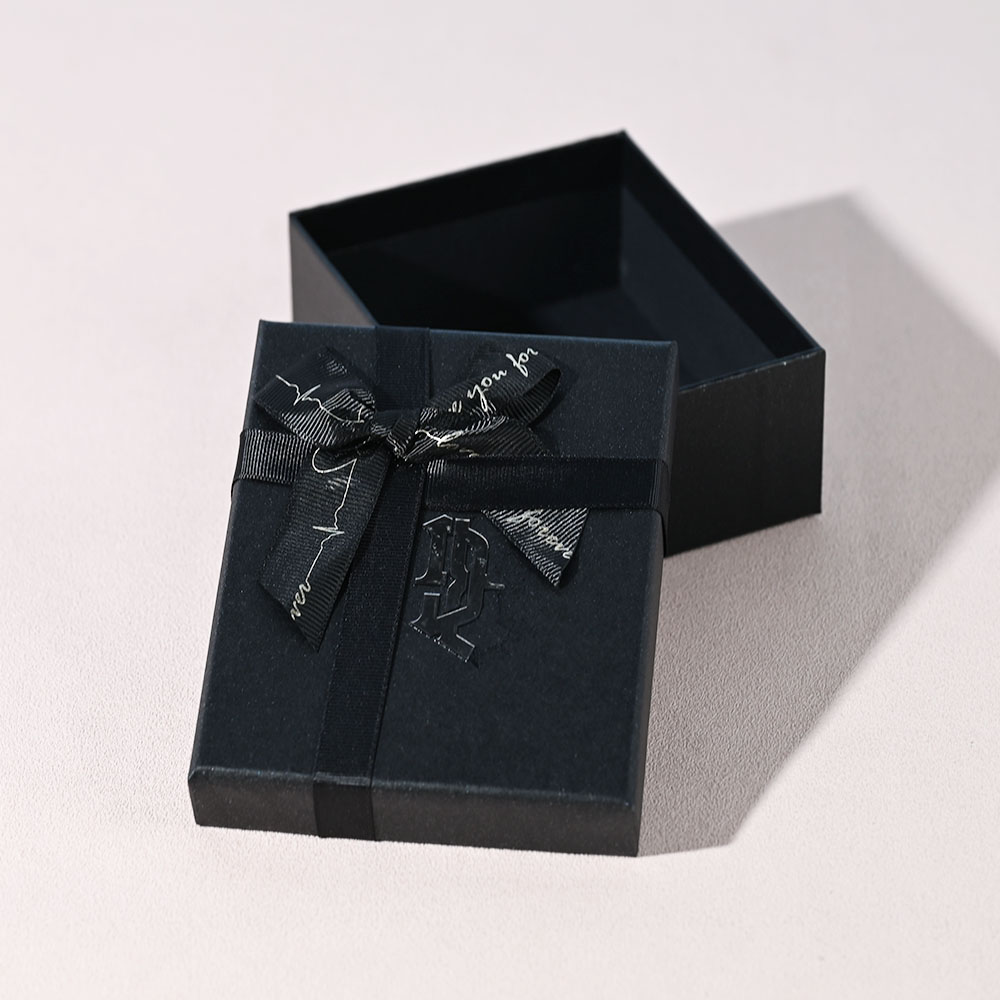
Surface finishing can further influence the look and feel of the package. Matte and gloss coatings create different visual effects, while embossing, debossing, and foil stamping can highlight logos or selected design elements. These techniques are often used for premium apparel and footwear packaging, but they should be selected according to the brand's actual needs. A restrained finish can sometimes communicate quality more effectively than adding too many decorative details. Internal packaging deserves attention as well. Tissue paper, cardboard inserts, dividers, and protective sheets can help keep products organized inside the box. For clothing, these materials may help maintain a neat folded presentation. For shoes, internal supports can reduce movement and help protect delicate surfaces. The interior should be designed around the actual product rather than treated as an afterthought once the exterior box has been completed.
Storage and transportation conditions also influence packaging requirements. Shoe boxes are often stacked in warehouses and retail storage areas, so their compression resistance and dimensional consistency matter. Clothes boxes may be packed into larger shipping cartons or placed directly into delivery packaging. If the outer packaging is poorly designed, the individual boxes may become crushed, scratched, or deformed before reaching the customer. Testing packaging under realistic handling conditions helps identify potential weaknesses. For brands selling through e-commerce platforms, packaging needs to balance appearance with shipping efficiency. Excessively large boxes increase storage and transportation requirements, while insufficient protection can lead to damaged products and customer complaints. Standardized box sizes for different product categories can simplify warehouse operations, although each size still needs to accommodate the actual garment or footwear model. A practical packaging system can help businesses manage inventory and packing processes more effectively.
Sustainability is another factor influencing packaging decisions in the fashion industry. Many brands are exploring paper-based packaging, recyclable materials, and more efficient box structures to reduce unnecessary material consumption. Selecting the right board grade and avoiding excessive packaging layers can help achieve a better balance between protection and resource use. However, material claims should always reflect the actual composition of the packaging and the recycling facilities available in the intended market. Before mass production, brands should review physical samples to confirm dimensions, structural strength, printing accuracy, and overall appearance. For shoe boxes, testing with the actual footwear helps verify the fit and lid closure. For clothing boxes, checking the folded garment inside can reveal whether the available space is sufficient. Sample approval also provides an opportunity to assess how the chosen materials and finishing techniques work together.
At Wuxi Box Printing Technology Co., Ltd., printed packaging solutions can be developed with attention to structural requirements, paperboard selection, printing quality, and post-press processing. For clothing and footwear brands, a suitable box should protect products, support efficient storage and delivery, and reflect the character of the brand. By combining practical packaging structures with thoughtful graphic design, clothes and shoes boxes can become a valuable part of the overall product presentation and customer experience.