

Pharmaceutical Boxes: Protecting Medical Products Through Reliable Packaging
Pharmaceutical packaging plays an important role in keeping medicines organized, protected, and properly identified throughout storage and distribution. Among the different packaging formats used in the healthcare industry, pharmaceutical boxes are widely used for tablets, capsules, syrups, ointments, medical supplies, and other healthcare products. Although they may appear simple, these boxes must meet several practical requirements beyond basic product containment. Their design needs to consider product protection, information accuracy, handling convenience, and consistent manufacturing quality. One of the main purposes of a pharmaceutical box is to provide an additional layer of protection for the product inside. Medicines may be exposed to pressure, friction, dust, and other conditions during transportation and warehouse handling. A suitable carton helps protect the primary container, such as a blister pack, bottle, tube, or sachet, from physical damage. The appropriate structure depends on the product's weight, shape, packaging format, and distribution requirements.
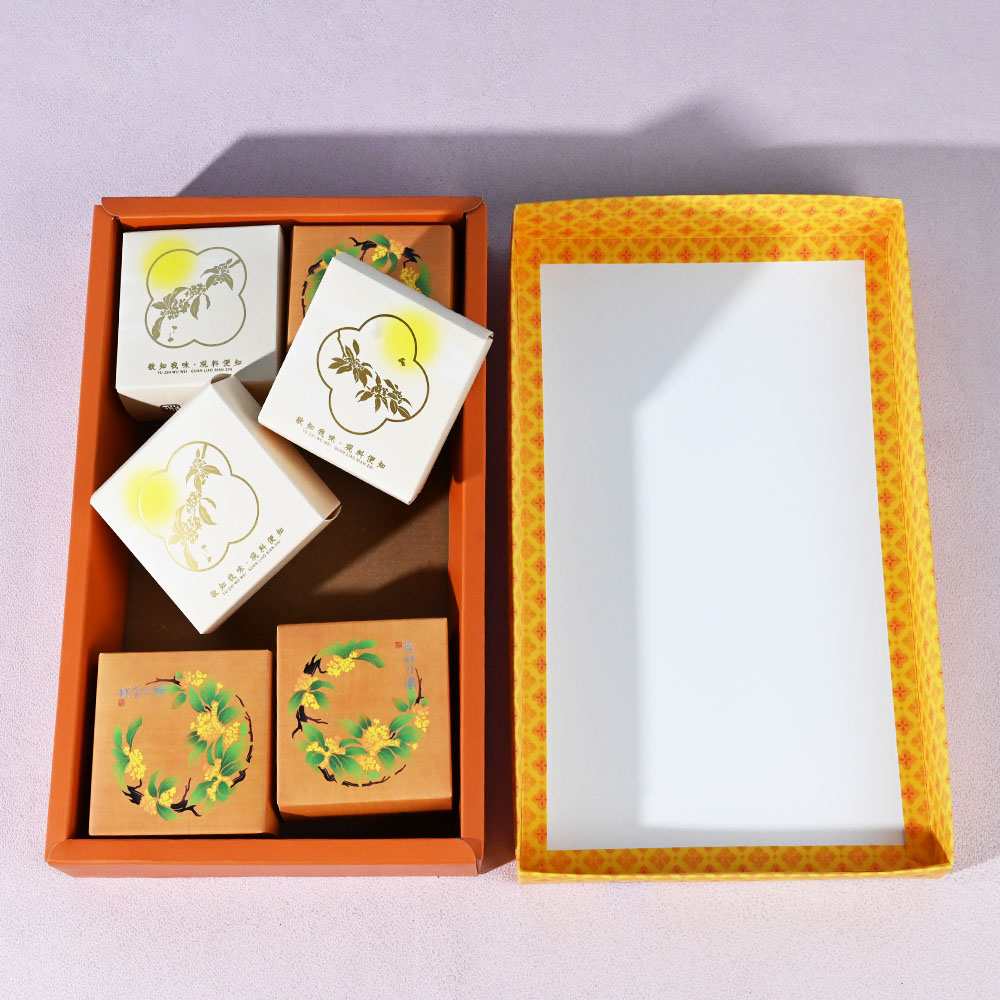
Material selection is particularly important in pharmaceutical box production. Paperboard needs sufficient stiffness to maintain its shape and prevent the package from being easily crushed during normal handling. At the same time, it should be suitable for accurate printing, folding, and gluing. Different medicines may require different carton specifications, so manufacturers need to consider the dimensions and weight of the primary packaging before recommending a material. Printing accuracy is another essential requirement. Pharmaceutical boxes commonly display product names, strengths, dosage information, ingredients, manufacturer details, batch information, and other relevant content. Small printing errors can create confusion, particularly when several products have similar packaging designs. Clear text, consistent layouts, and accurate reproduction of approved artwork help ensure that important information remains readable throughout the product's commercial life.
Color consistency also matters when producing pharmaceutical packaging. Many healthcare brands use specific colors to distinguish product categories, dosage strengths, or different formulations. If colors vary noticeably between production batches, customers and healthcare professionals may find it harder to recognize familiar products. Maintaining appropriate color references and controlling printing conditions help manufacturers achieve a more consistent appearance across repeat orders. Pharmaceutical boxes often contain detailed information, which makes artwork preparation an important stage of production. Text, symbols, barcodes, and other printed elements need to be positioned carefully within the available space. Designers must also consider cutting lines, folding areas, and glue flaps to prevent important information from being hidden or damaged. Before printing begins, checking the artwork against the approved specifications can help reduce errors and unnecessary material waste.
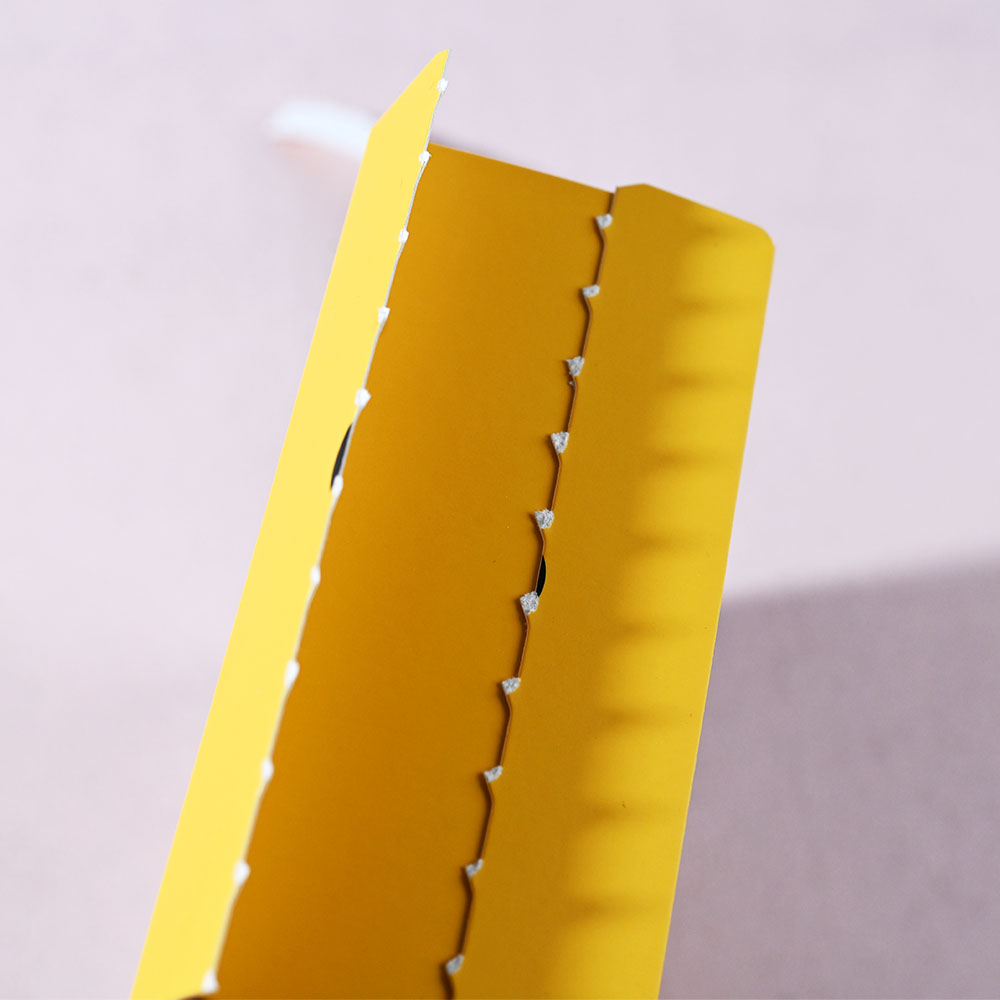
Structural design influences how easily pharmaceutical boxes can be assembled and used. Common carton styles include tuck-end boxes and other folding carton structures designed for different product formats. The opening should provide convenient access without making the package unnecessarily loose or difficult to close. For products that require frequent handling, a practical carton structure can improve the overall user experience while maintaining a neat appearance. Some pharmaceutical products also require packaging features that help discourage unauthorized opening or reveal whether a package has been tampered with. Depending on the product and applicable requirements, cartons may incorporate suitable locking structures, perforations, or other tamper-evident features. These details need to be considered during the design stage so that they function properly without making the packaging difficult to manufacture or handle.
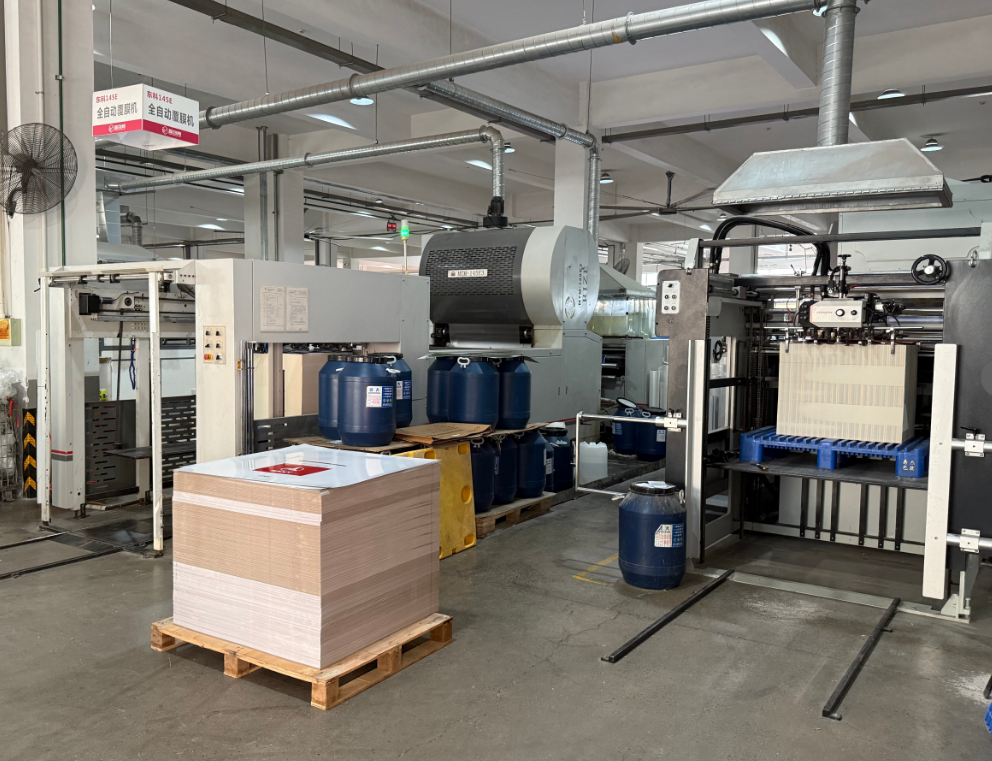
Barcode quality and product identification deserve special attention as well. Pharmaceutical products move through manufacturing facilities, distribution centers, pharmacies, hospitals, and retail channels. Accurate, readable barcodes can support product identification and inventory management. Their size, placement, contrast, and printing quality should be checked before mass production, especially when automated scanning is part of the customer's supply chain. Finishing processes can further improve the appearance and handling characteristics of pharmaceutical cartons. Matte or gloss coatings may help protect printed surfaces from ordinary scuffing, while other finishing options can create a more refined presentation. However, pharmaceutical packaging should prioritize clarity and suitability over unnecessary decoration. Any coating, adhesive, or additional material should be selected with the intended packaging application and relevant requirements in mind.
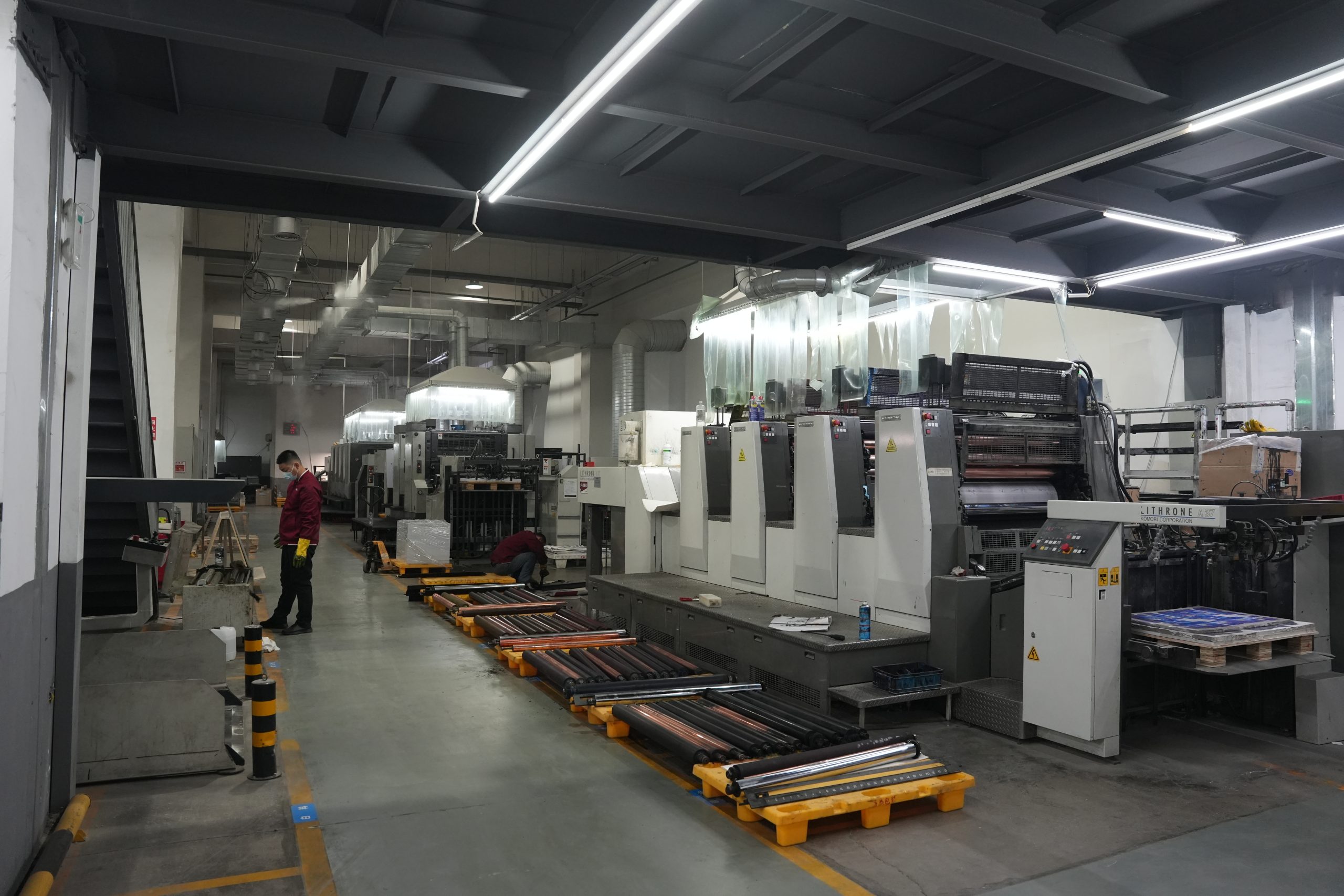
Quality inspection needs to cover more than the final appearance of the box. Manufacturers should check dimensions, cutting accuracy, crease positions, folding performance, glue adhesion, print registration, and text clarity. A carton that looks attractive but cannot be assembled correctly may cause difficulties during the customer's packaging operations. Consistent inspection at different production stages helps identify potential problems before large quantities are completed. For repeat pharmaceutical packaging orders, maintaining accurate production records is especially useful. Approved artwork, paperboard specifications, printing references, die information, and inspection results provide a foundation for future production. When customers update product information or introduce a new dosage strength, these records help manufacturers identify the necessary changes while keeping other established packaging details consistent.
At Wuxi Box Printing Technology Co., Ltd., pharmaceutical boxes can be developed with attention to material selection, structural design, printing accuracy, and post-press quality. With appropriate production planning and careful inspection, manufacturers can provide packaging that supports product protection, clear information presentation, and efficient handling. A well-made pharmaceutical box is not simply an outer container; it is an important part of the overall packaging system that helps healthcare products reach their destinations in an organized and professional condition.