

Pastry Boxes: How the Right Packaging Keeps Baked Goods Fresh and Presentable
Pastries are often purchased for their appearance as much as their taste. Croissants, Danish pastries, cream puffs, fruit tarts, and other baked treats can attract customers through their colors, textures, and delicate decorations. However, these products can easily lose their appeal if they are crushed, shifted, or exposed to unsuitable conditions during transportation. A well-designed pastry box helps protect baked goods while making them more convenient to carry, display, and present to customers. One of the most important considerations in pastry box design is the size of the package. Different pastries require different amounts of space, and using a box that is too small can damage delicate toppings or flatten the product. An oversized box may allow pastries to move around during delivery, increasing the risk of damage. Packaging manufacturers need to consider the dimensions, height, and shape of the baked goods to create a suitable fit.
The structural strength of the box also matters. Although pastries are generally lightweight, multiple products packed together can place pressure on the bottom and side panels. A box that bends easily may become difficult to carry, especially when customers purchase several items at once. Choosing suitable paperboard and designing a stable base can help the package maintain its shape during normal handling and transportation. Food safety is another essential part of pastry packaging. The materials used should be appropriate for their intended food-contact application and comply with relevant regulations. Grease resistance is particularly useful for pastries containing butter, cream, chocolate, or other ingredients that may leave oily marks. Depending on the product, a suitable food-contact liner or barrier treatment may help prevent grease from affecting the outer packaging.
Ventilation requires careful consideration as well. Some freshly baked products release heat and moisture after leaving the oven. If moisture becomes trapped inside the box, certain pastries may lose their crisp texture or develop condensation. Small ventilation openings can help manage moisture for suitable products. However, the design should also consider the need to protect food from dust, handling, and external contamination. The right approach depends on the pastry type and whether it is packed warm or after cooling. The interior layout can make a significant difference when several pastries share one package. Internal dividers or paper inserts help keep individual pieces separated and reduce movement during transportation. This is particularly useful for assorted pastry boxes containing products with different shapes, sizes, or toppings. A well-planned interior also makes the contents easier to arrange, helping bakery staff prepare orders more efficiently.
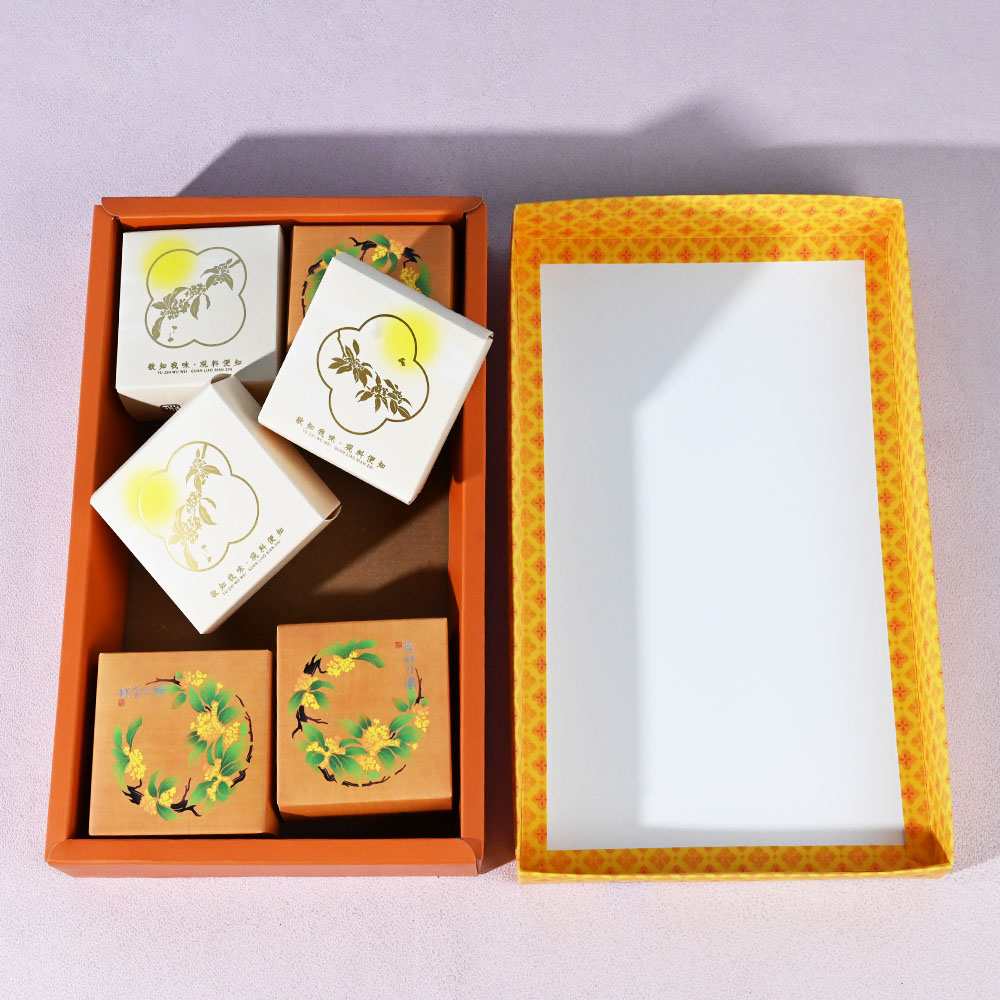
Visibility is another feature that many bakeries consider when choosing pastry boxes. A transparent window allows customers to see the products without opening the package, making the pastries more attractive in retail displays. Window placement and size should be planned carefully so that the packaging still provides sufficient structural support. The window material and assembly method should also be suitable for the intended food packaging application. Printing and graphic design contribute to how customers recognize a bakery's products. A pastry box can display the bakery's logo, brand colors, product information, and contact details. Clean typography and balanced graphics often work better than overcrowded designs, particularly when the pastries themselves are visually appealing. Consistent packaging across different product sizes can also help create a recognizable brand image.
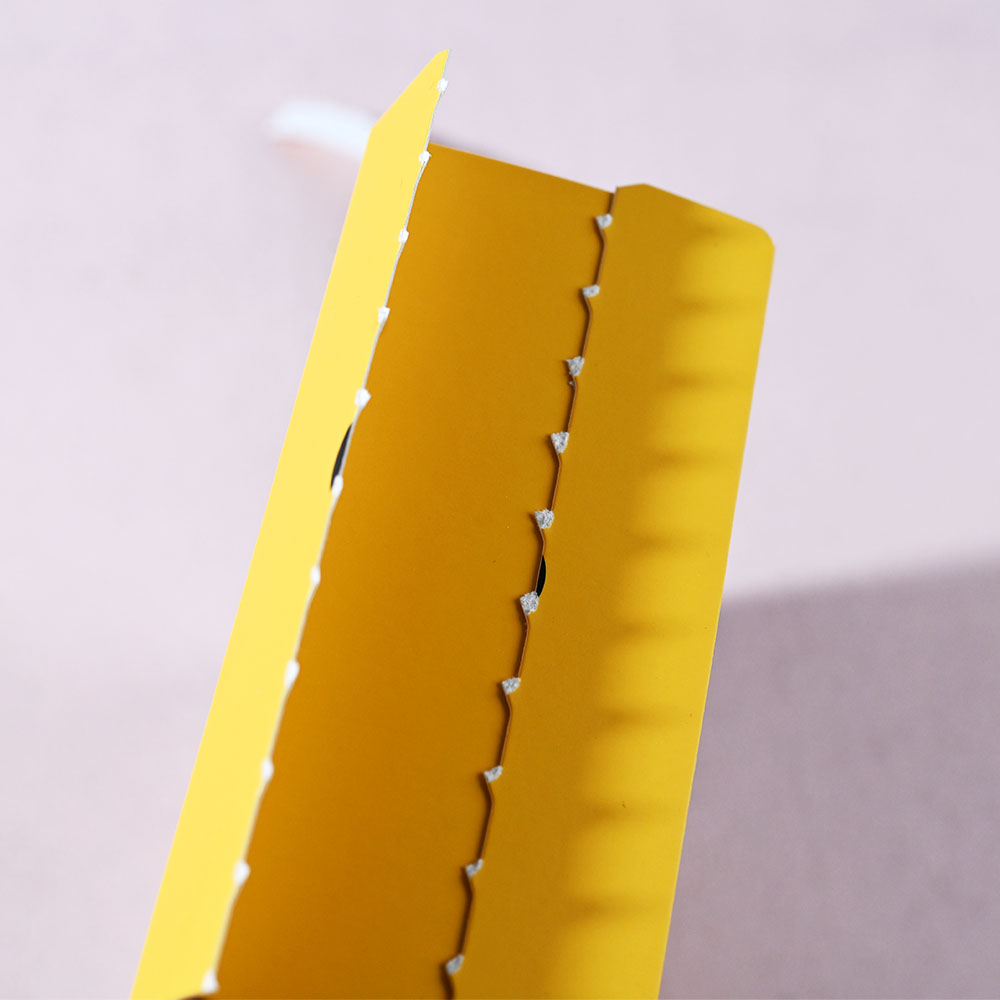
Practical opening and closing features should not be overlooked. Customers may carry pastry boxes over short or long distances, so the closure needs to remain secure during transportation. At the same time, the box should open without requiring excessive force or disturbing the products inside. Tuck-end closures, locking tabs, and other carton structures can be selected according to the box size, product weight, and expected handling conditions. For bakeries offering takeaway and delivery services, transportation performance is especially important. Pastry boxes may be stacked, placed in delivery bags, or carried by customers in different environments. A stable base, secure corners, and appropriate dimensions help reduce movement and deformation. Packaging should also be tested with the actual products because an empty sample cannot fully demonstrate how the box performs when loaded.
Sustainability is becoming an important consideration for food businesses when selecting packaging. Paper-based pastry boxes offer a practical option for many bakery applications, particularly when the material and finishing are selected with recycling requirements in mind. Using the correct box size can reduce unnecessary material consumption, while avoiding unsuitable coatings or mixed materials may make disposal easier. Any sustainability claims should be supported by the actual material specifications and applicable recycling conditions. Before placing a large order, bakery owners should evaluate samples using their regular products. Important checks include box strength, product fit, grease resistance, ventilation, closure performance, and print quality. It is also useful to test how the packaging performs after the expected transportation period. These practical checks can reveal design problems early and help avoid unnecessary costs after mass production begins.
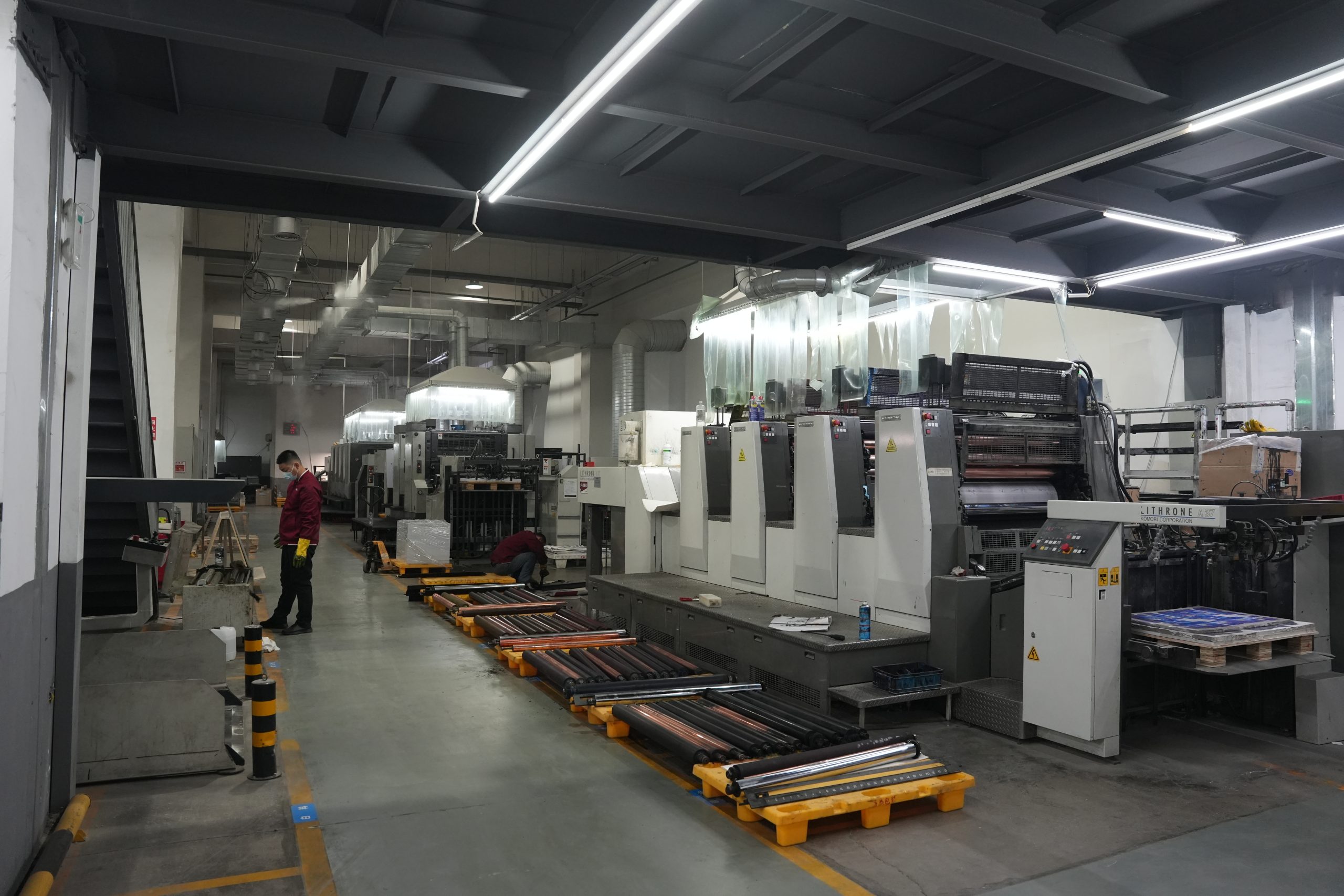
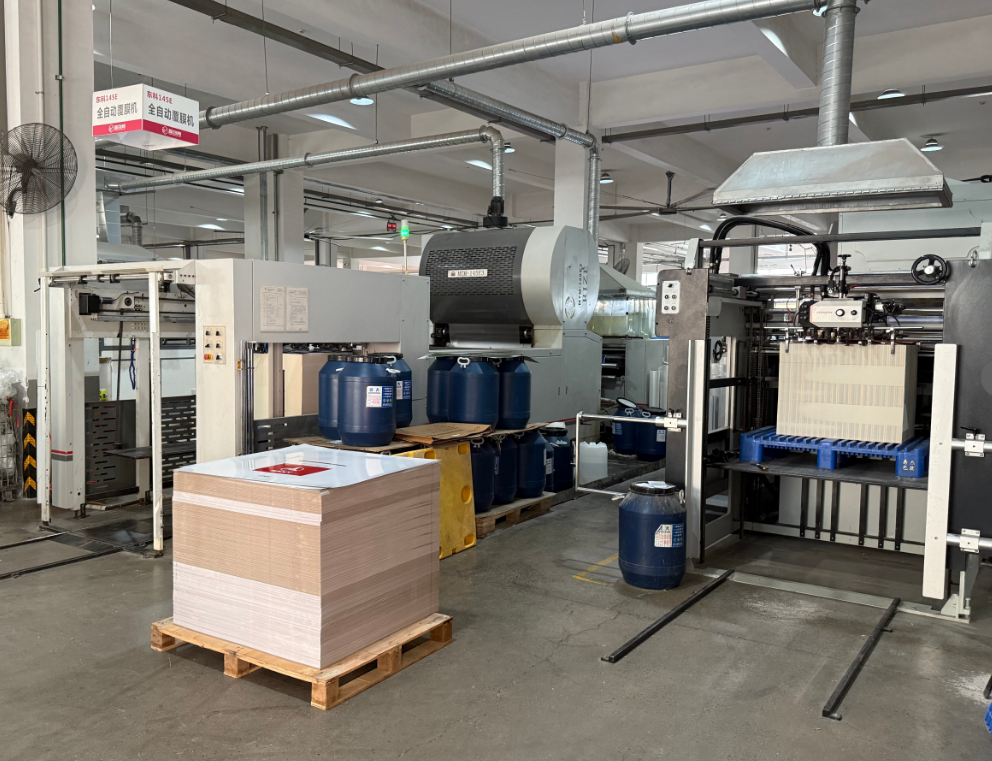
At Wuxi Box Printing Technology Co., Ltd., the development of printed packaging involves considering material characteristics, structural design, printing quality, and post-press processing. For bakeries and food brands, a suitable pastry box should protect delicate baked goods while supporting convenient handling and attractive product presentation. By combining practical construction with thoughtful visual design, pastry packaging can help maintain product appeal and create a positive experience from the bakery counter to the customer's table.