

How Packaging Design Helps Protect Small Electronic Accessories
Small electronic accessories may not look particularly difficult to package, but protecting them during storage, handling, and transportation requires careful planning. Products such as charging cables, adapters, earphones, USB drives, connectors, and computer accessories often contain delicate components that can be damaged by pressure, friction, or impact. A suitable packaging design helps keep these products secure while making them easier to store, display, and deliver to customers. One of the first considerations is the size of the packaging. Small electronic accessories often come in different shapes, from thin cables to compact adapters and irregularly shaped connectors. If the box is too large, the product may move around during transportation and rub against other objects. If it is too small, inserting and removing the accessory may become difficult. Accurate measurements help manufacturers create packaging that provides enough space without allowing excessive movement.
Internal structure plays an important role in protecting electronic products. Cardboard inserts, paper trays, dividers, and custom compartments can help keep accessories in their intended positions. For example, a charging cable can be arranged in a dedicated compartment, while an adapter can be held in place by a fitted insert. This reduces unnecessary movement and prevents different components from knocking against one another inside the box. Material selection is another important factor. The paperboard used for an electronic accessory box needs to provide sufficient rigidity to maintain its shape during normal handling. Lightweight products may work well with standard folding cartons, while heavier accessories may require thicker paperboard or additional structural support. The choice should reflect the product's weight, dimensions, fragility, and expected distribution conditions rather than simply selecting the thickest available material.
Protection against external pressure should also be considered. Electronic accessories are frequently packed into larger shipping cartons, stored on warehouse shelves, and transported through multiple distribution stages. During these processes, individual packages may experience stacking pressure or accidental impacts. A properly designed box with stable corners, suitable side panels, and a strong base can help reduce the risk of deformation that might affect the product inside. Static electricity is another concern for certain electronic components. Some sensitive products, such as semiconductor components, circuit boards, and exposed electronic parts, may require specialized electrostatic discharge protection. Ordinary printed paperboard boxes should not be assumed to provide this protection. When packaging products with static sensitivity, manufacturers may need to incorporate suitable antistatic bags or other protective materials inside the outer carton.

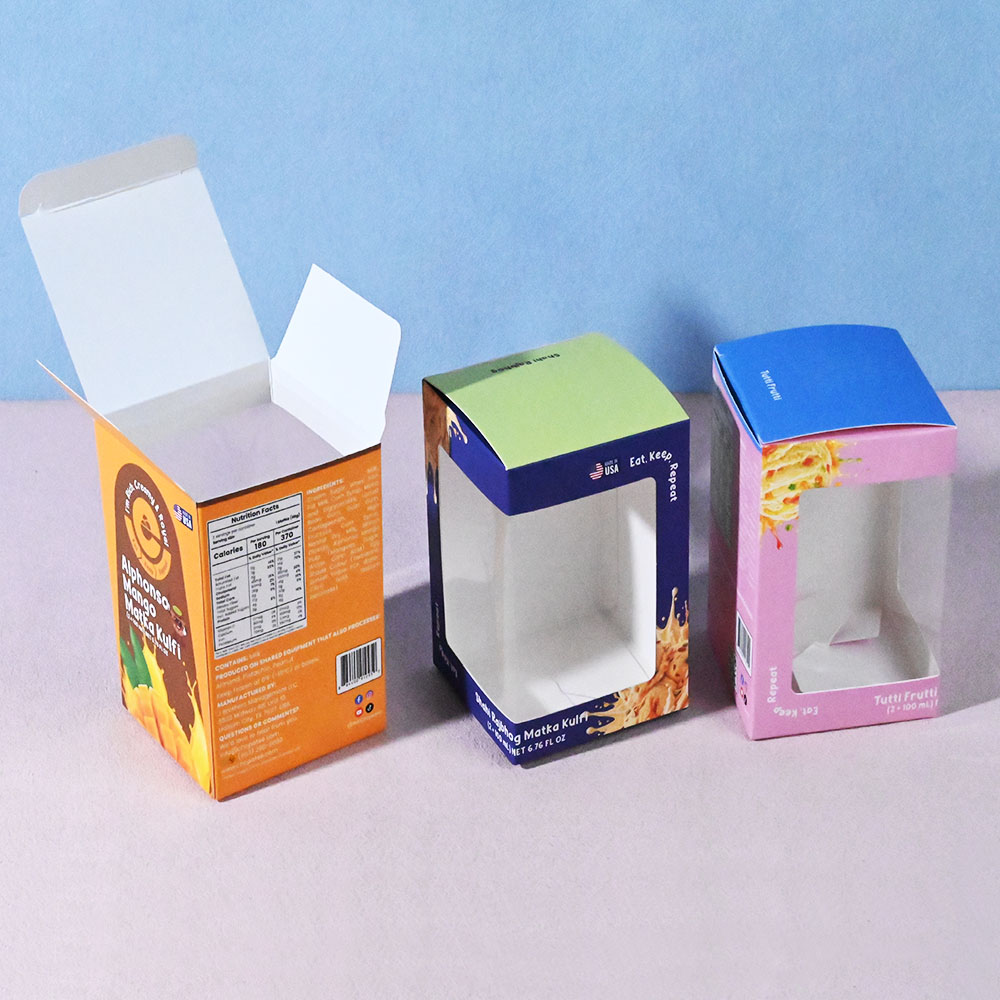
Moisture and dust can also affect electronic accessories. Products with exposed metal contacts or sensitive connectors may be vulnerable to corrosion or contamination under unsuitable storage conditions. Depending on the product, an additional sealed bag, protective film, or moisture-control material may be necessary. The outer printed box mainly provides structure and presentation, while the inner protective packaging addresses more specific environmental risks. Closure design is equally important. A box that opens accidentally during transportation can expose its contents to damage or loss. Tuck-end cartons, locking tabs, and other closure structures can help keep products securely enclosed. For accessories that are frequently displayed in retail stores, hanging features or window openings may also be considered. These features should be integrated without weakening the overall structure or reducing the protection provided by the package.
Product organization becomes especially important when several accessories are sold together. A package containing a charger, cable, connector, and instruction booklet needs enough space to keep each item separate and easy to identify. Without a suitable internal layout, smaller components may become tangled or hidden beneath larger products. Well-planned compartments improve both product protection and the customer's experience when opening the package. Printing and labeling also contribute to effective electronic accessory packaging. Product model numbers, specifications, compatibility information, barcodes, and brand details should be presented clearly. This is particularly useful for products that look similar but have different technical specifications. Accurate printed information helps retailers organize inventory and allows customers to identify the correct accessory without opening the box.
For businesses selling electronic accessories online, packaging must also suit the demands of e-commerce delivery. Individual product boxes may be placed inside larger shipping cartons or mailer packaging before reaching customers. The outer shipping package should provide sufficient protection against handling and transportation impacts. Testing the complete packaging combination is more useful than evaluating the individual product box alone because both layers contribute to the final result. Before approving a new packaging design, manufacturers and buyers should test samples using the actual electronic accessories. Important checks include product fit, insert stability, closure performance, resistance to ordinary handling, and ease of removal. If the products are particularly sensitive, additional testing for vibration, impact, moisture, or electrostatic discharge protection may be necessary. Identifying weaknesses during the sample stage can prevent larger problems during mass production.
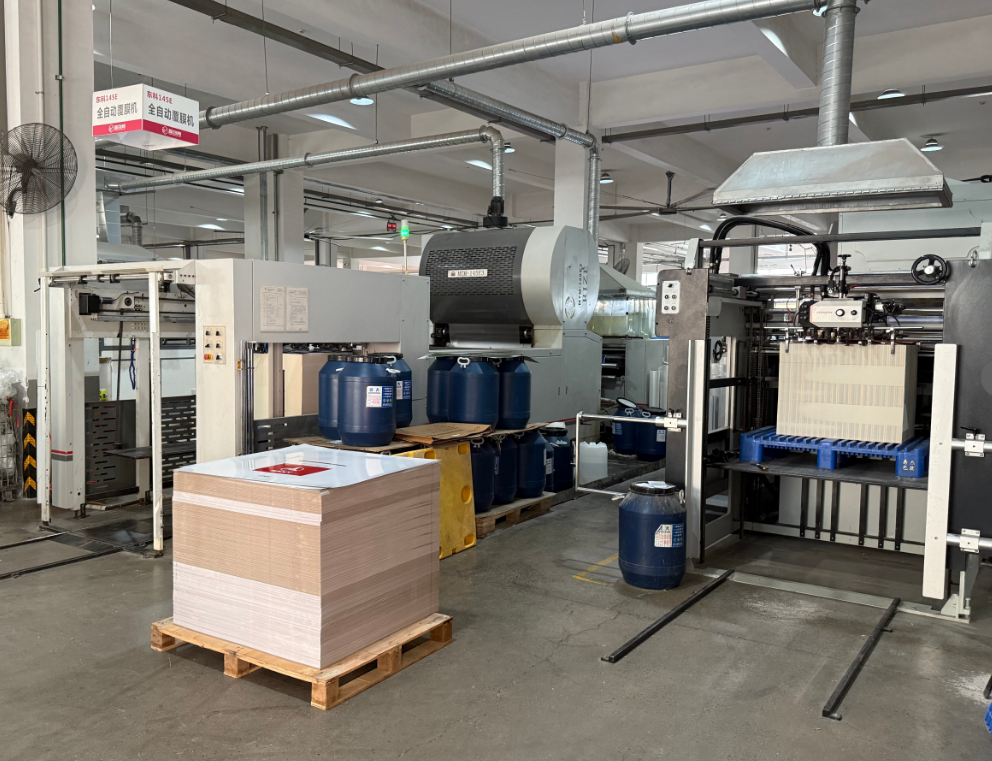
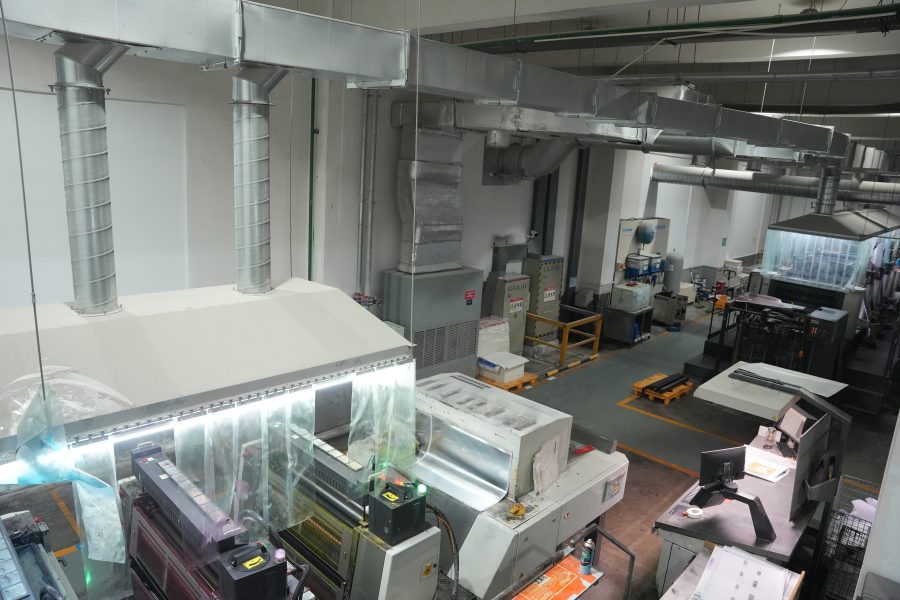
Ultimately, effective electronic accessory packaging requires more than an attractive exterior. The box structure, paperboard quality, internal compartments, closure method, and additional protective materials must work together to meet the product's requirements. At Wuxi Box Printing Technology Co., Ltd., attention to structural design, printing quality, and post-press processing helps support the production of customized packaging for different product categories. By combining practical protection with clear product presentation, well-designed 3C boxes can help businesses deliver small electronic accessories in better condition while creating a more professional brand experience.