

How to Choose Between a Mailing Box and a Shipping Bag
For businesses selling products online, choosing the right delivery packaging is an important part of order fulfillment. Mailing boxes and shipping bags are two common options, but they serve different purposes. While both can help deliver products to customers, their protective capabilities, storage requirements, and costs are not the same. Selecting the right option depends on what is being shipped, how it will be handled, and the condition in which customers expect to receive their orders. The type of product is usually the first factor to consider. Mailing boxes are generally more suitable for items that need structural protection, such as electronic accessories, books, gift sets, cosmetics, and small household products. Their rigid construction helps prevent the contents from being squeezed or deformed during transportation. Shipping bags, on the other hand, are often used for clothing, fabric products, documents, and other items that are relatively flexible and less likely to break.
Protection against external pressure is one of the main differences between these two packaging options. A corrugated mailing box can maintain its shape under ordinary handling and provide a protective space around the product. This is particularly useful when parcels are stacked with other shipments. A shipping bag offers less resistance to compression, so products inside may be exposed to pressure from surrounding packages. Businesses should consider the likely handling conditions before choosing a flexible bag for their products. Weight is another consideration. Shipping bags are generally lightweight, which can help reduce the total package weight and may be beneficial for businesses sending large numbers of lightweight products. Mailing boxes usually require more material and have a greater packaging weight. However, the additional weight may be worthwhile when the product needs better protection. The objective should be to balance shipping expenses with the potential cost of damaged goods and customer complaints.
Packaging dimensions also influence transportation efficiency. Mailing boxes provide a defined shape, but using oversized boxes can create unnecessary empty space and increase shipping volume. Shipping bags can adapt more easily to soft or irregularly shaped products, making them convenient for certain orders. However, they are not always suitable for products that need to retain their original shape. Choosing dimensions that closely match the product helps reduce unnecessary packaging and improve delivery efficiency. Another important difference is how products are packed. Mailing boxes generally require folding, assembling, and sometimes sealing before the products can be inserted. Shipping bags are often quicker to prepare, especially for simple orders containing clothing or other flexible items. For e-commerce businesses processing hundreds or thousands of orders daily, even a small difference in packing time can influence overall warehouse efficiency.
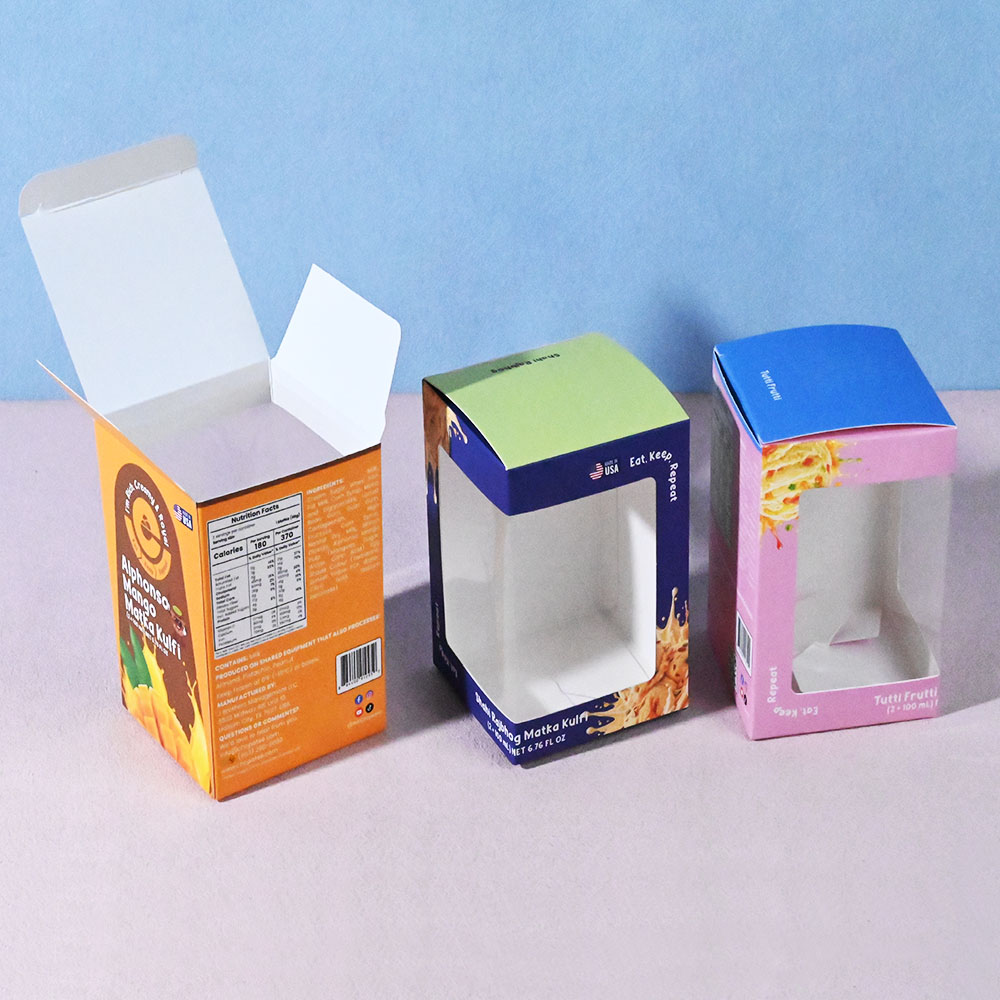
Brand presentation is also worth considering. A custom printed mailing box provides a relatively large and stable surface for displaying logos, brand colors, product information, and promotional graphics. It can create a more structured unboxing experience and help reinforce brand identity. Shipping bags can also feature custom printing, although their flexible surfaces may affect how graphics appear when the package is filled or folded. For brands that place a strong emphasis on packaging presentation, the choice of structure can make a noticeable difference. The contents of the package should determine whether additional protection is necessary. Fragile products may require internal dividers, paper inserts, cushioning materials, or protective wrapping even when placed inside a mailing box. A shipping bag may also need an inner protective layer when products are sensitive to moisture, dust, or surface scratches. Neither packaging option automatically guarantees complete protection, so businesses should consider the product's specific vulnerabilities.
Storage space is another practical factor for warehouses and fulfillment centers. Flat-packed mailing boxes can be stored efficiently before assembly, although they still require a designated area and handling during setup. Shipping bags usually take up less storage space and are easier to organize in large quantities. Businesses with limited warehouse space may find bags more convenient for suitable product categories, while companies handling a wide range of products may benefit from keeping both options available. Environmental considerations are becoming increasingly important in packaging decisions. Paper-based mailing boxes can be suitable for recycling where local collection systems accept the materials, while shipping bags may be made from paper or plastic, each with different disposal requirements. Material composition, coatings, adhesives, and local recycling infrastructure all influence the environmental impact. Rather than assuming one format is always more sustainable, businesses should evaluate the actual materials and avoid unnecessary packaging.
Before making a final decision, companies should test both packaging options with their actual products. A practical trial can include packing the item, sealing the package, stacking it with other parcels, and checking its condition after simulated handling. Businesses should also compare material costs, packing time, storage requirements, and shipping expenses. These factors provide a more realistic basis for choosing packaging than looking at the unit price alone. In many cases, businesses do not need to choose only one packaging format. Mailing boxes can be reserved for fragile, rigid, or premium products, while shipping bags can be used for lightweight and flexible items. This combination allows companies to match packaging performance with different order requirements instead of applying the same solution to every product.
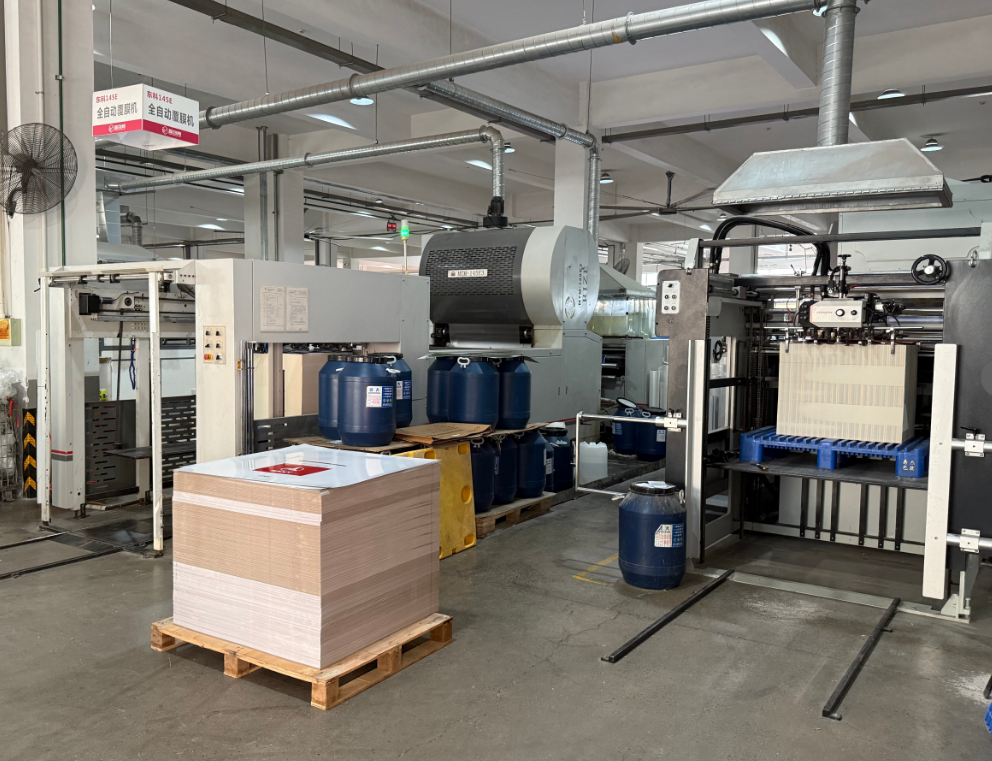
At Wuxi Box Printing Technology Co., Ltd., packaging solutions include mailing boxes, paper bags, and other printed paper products designed for different business applications. By considering product characteristics, transportation conditions, branding requirements, and production costs, businesses can select packaging that works effectively throughout the delivery process. The right choice is not necessarily the most expensive or elaborate one, but the option that protects the product, supports efficient fulfillment, and gives customers a positive experience when their orders arrive.