

The Importance of Packaging Standardization for Global Brands
As brands expand into international markets, maintaining consistency across products becomes increasingly important. Customers expect the same quality, appearance, and experience regardless of where they purchase a product. Packaging standardization helps global brands achieve this consistency by creating uniform packaging systems that support efficient production, reliable logistics, and strong brand recognition. While localized adjustments may still be necessary, standardized packaging provides a solid foundation for global business growth. One of the greatest benefits of packaging standardization is consistent brand identity. Consumers often recognize products by their packaging before reading the label. Using the same colors, typography, logos, structural designs, and visual elements across different markets strengthens brand recognition and builds customer trust. Whether a customer purchases a product in Asia, Europe, or North America, consistent packaging reinforces the perception of a reliable and established global brand.
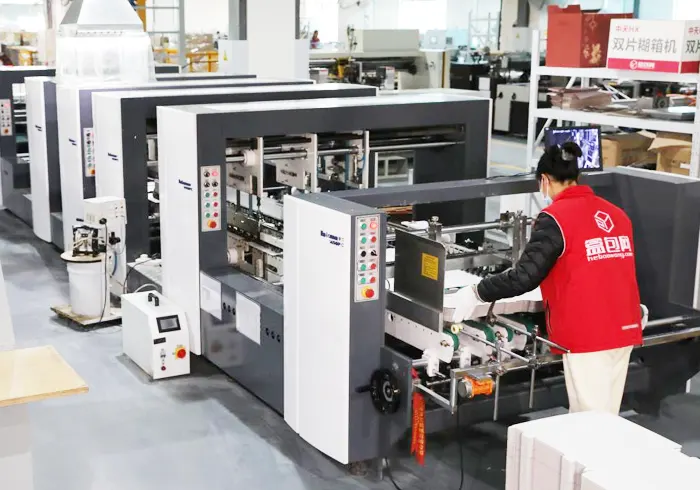
Standardization also improves manufacturing efficiency. Producing multiple packaging designs for different markets increases complexity, production time, and operational costs. Standardized packaging allows manufacturers to streamline production processes, reduce machine setup times, and improve overall manufacturing productivity. Larger production volumes for common packaging formats also help lower unit costs through economies of scale. Supply chain management becomes significantly more efficient with standardized packaging. Uniform carton sizes and structures simplify palletization, container loading, warehouse storage, and transportation planning. Standard dimensions maximize the use of available shipping space, reduce handling challenges, and improve logistics efficiency throughout the distribution network. This leads to lower transportation costs and faster order fulfillment.
Inventory management is another area that benefits from standardization. Instead of maintaining numerous packaging variations for different markets or product lines, companies can reduce the number of packaging components they need to stock. Simplified inventory reduces storage requirements, minimizes the risk of packaging shortages, and improves inventory accuracy across global operations. Packaging standardization also supports automation. Modern production facilities and distribution centers increasingly rely on automated filling, labeling, sorting, and packaging systems. Uniform packaging dimensions and structures improve machine compatibility, reduce production interruptions, and minimize handling errors. This leads to higher productivity and more consistent packaging quality.
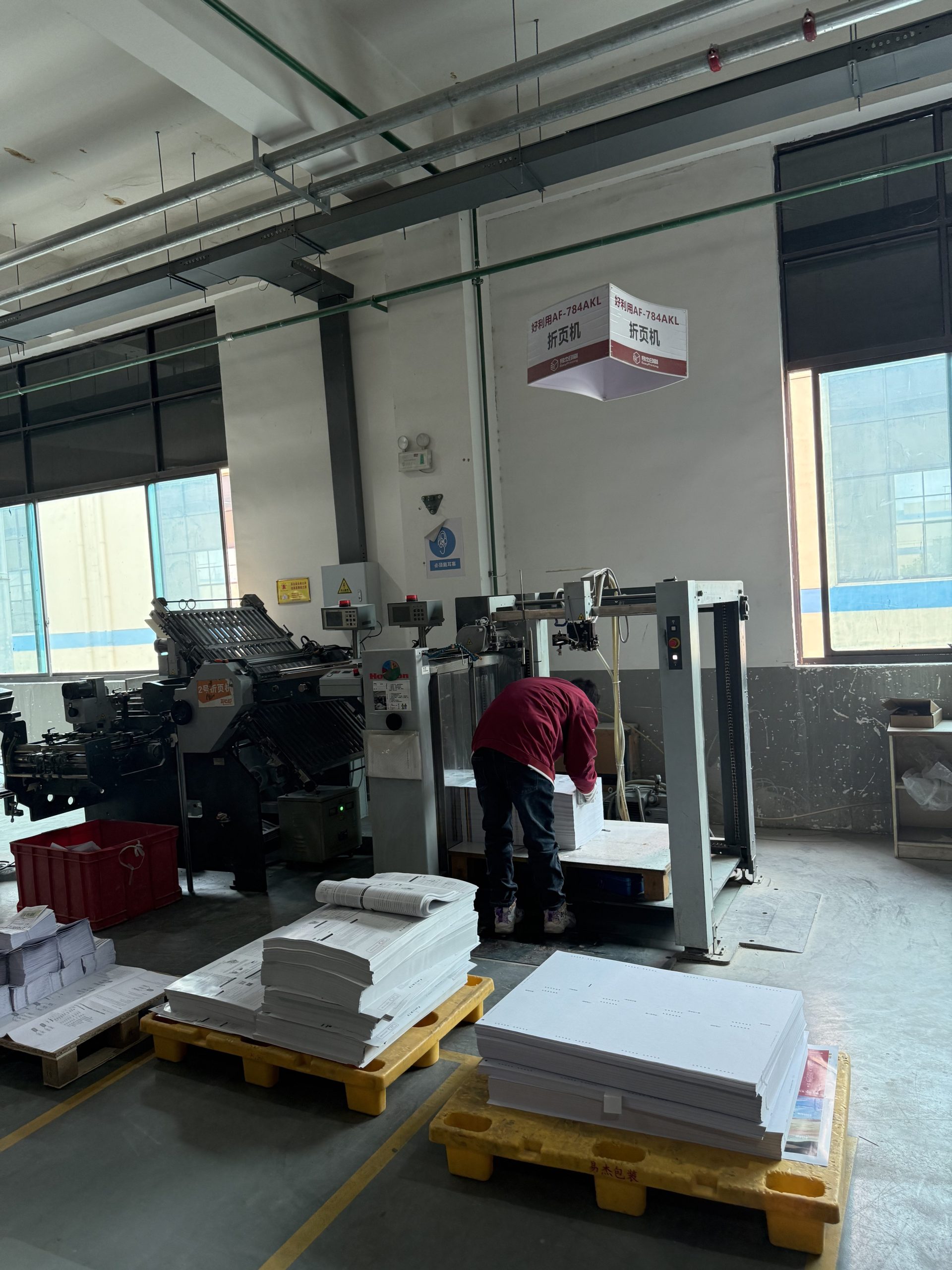
Quality control becomes easier when packaging is standardized. Manufacturers can establish consistent production standards, inspection procedures, and testing methods across all facilities. This ensures that every package meets the same quality expectations regardless of where it is produced. Consistent quality strengthens customer confidence and protects the brand's reputation in international markets. Although global consistency is important, packaging standardization still allows for localized customization. Core structural designs and branding elements can remain consistent while labels, languages, regulatory information, or promotional graphics are adapted to meet local market requirements. This balanced approach enables brands to satisfy regional regulations without sacrificing global identity.
Sustainability initiatives also benefit from standardized packaging systems. Using common packaging materials and structures simplifies recycling programs, reduces material waste, and improves purchasing efficiency. Standardized packaging can also support lightweight design strategies that lower transportation emissions while maintaining product protection throughout global supply chains. Cost reduction is another significant advantage. Standardized packaging decreases design complexity, reduces tooling requirements, simplifies procurement, and minimizes production variations. These efficiencies contribute to lower operational expenses while improving responsiveness to changing market demands. Companies can allocate more resources toward innovation, product development, and customer engagement rather than managing unnecessary packaging complexity.
Ultimately, packaging standardization is a strategic advantage for global brands. It strengthens brand recognition, improves manufacturing efficiency, simplifies logistics, enhances quality control, and supports sustainable business practices. By creating a consistent yet adaptable packaging system, companies can deliver a reliable customer experience across international markets while optimizing operational performance. In an increasingly connected global economy, standardized packaging serves as a powerful foundation for long-term growth, customer trust, and competitive success.