

How Packaging Material Selection Affects Final Product Cost
Packaging material selection is one of the most important decisions that influences the total cost of a product. Many businesses focus mainly on the initial price of packaging materials, but the real impact extends far beyond material purchasing. The choice of paperboard, corrugated board, coatings, inserts, and other packaging components affects manufacturing efficiency, transportation expenses, storage requirements, product protection, and even customer perception. Selecting the right material helps brands control costs while maintaining quality and performance. The most direct impact of material selection is the raw material cost. Different packaging materials have significant price differences depending on quality, availability, durability, and production requirements. For example, premium paperboard with higher stiffness or special surface finishes may increase packaging expenses compared with standard materials. However, choosing the cheapest option does not always create the lowest overall cost, as poor material performance can lead to additional expenses later.
Packaging strength is closely related to material choice. If the selected material cannot provide enough protection, products may suffer damage during storage or transportation. Damaged products create additional costs through returns, replacements, customer complaints, and wasted inventory. Investing in a suitable material that provides the necessary protection can reduce these hidden expenses and improve overall profitability. On the other hand, using materials that are stronger than necessary can also increase costs unnecessarily. Some brands select heavy-duty packaging without considering actual product requirements. Excessive material increases purchasing costs, packaging weight, and transportation expenses without providing meaningful benefits. Proper material evaluation helps businesses find the right balance between protection and efficiency.
Transportation costs are another major factor affected by packaging materials. Heavier packaging increases the total shipment weight, which can raise logistics expenses, especially for international transportation. Lightweight but durable materials allow companies to reduce shipping costs while still protecting products. For businesses with large shipping volumes, even small reductions in packaging weight can create significant savings. Material selection also influences manufacturing efficiency. Some materials are easier to cut, fold, print, and assemble than others. A material that performs well during production can reduce machine downtime, improve production speed, and lower labor costs. In contrast, unsuitable materials may cause issues such as cracking during folding, poor glue adhesion, or inconsistent printing results, increasing production waste and operational expenses.
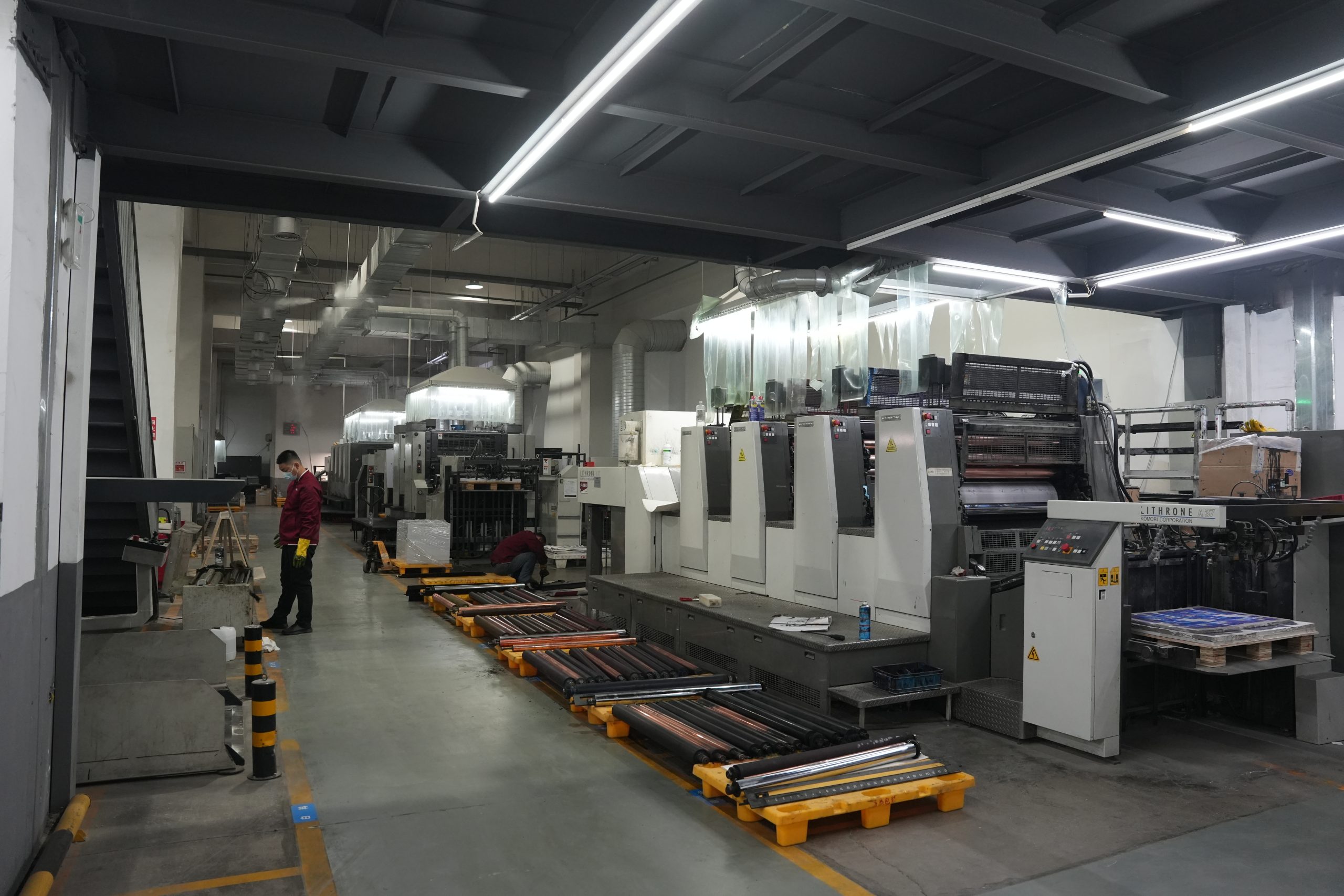
Printing and finishing requirements must also be considered. Different materials react differently to printing methods, coatings, and decorative effects. A material chosen without considering the desired appearance may require additional processing steps to achieve the expected result. For example, achieving a premium appearance on a low-quality surface may require extra coatings or treatments, increasing production costs. Storage costs can also be influenced by packaging materials. Heavier or bulkier packaging requires more warehouse space and may increase handling expenses. Efficient material selection combined with optimized packaging dimensions allows businesses to improve storage capacity and reduce inventory-related costs.
Sustainability considerations are becoming increasingly important in material selection. Many brands are choosing recyclable, renewable, or reduced-material packaging solutions to meet environmental goals and consumer expectations. While some sustainable materials may have higher initial costs, they can create long-term value by improving brand image, supporting regulatory compliance, and reducing waste management expenses. Packaging material selection also affects customer perception. The look, feel, and durability of packaging influence how customers evaluate product quality. A well-chosen material can create a premium experience and strengthen brand trust, while poor-quality packaging may negatively affect customer confidence. The right material should support both functional requirements and brand positioning.
Ultimately, packaging material selection has a direct impact on the total cost of a product, but the decision should not be based only on the purchase price of materials. A complete evaluation should consider protection performance, production efficiency, transportation costs, storage needs, sustainability goals, and customer expectations. By choosing materials strategically, brands can reduce unnecessary expenses, improve operational efficiency, and create packaging that delivers long-term value throughout the entire product lifecycle.