

How Packaging Optimization Helps Reduce Material Purchasing Costs
For many manufacturers and brand owners, packaging materials represent a significant portion of overall production costs. As raw material prices continue to fluctuate, businesses are looking for ways to improve efficiency without compromising product protection or packaging quality. One of the most effective strategies is packaging optimization. Rather than simply selecting lower-cost materials, packaging optimization focuses on using materials more efficiently through better design, engineering, and production planning. The result is lower purchasing costs, reduced waste, and improved operational performance. A key aspect of packaging optimization is eliminating unnecessary material. In many cases, packaging is designed with more paperboard, corrugated board, or internal fillers than the product actually requires. While overengineering may seem to provide extra protection, it often increases material costs without delivering meaningful benefits. By carefully analyzing product dimensions, weight, and shipping conditions, packaging engineers can design structures that provide adequate protection while using fewer raw materials.
Right-sizing packaging is another effective way to reduce purchasing costs. Oversized boxes require more material to manufacture and often create empty space that must be filled with protective inserts. This not only increases packaging material consumption but also raises transportation and storage costs. Designing packaging that closely matches the size of the product reduces material usage, improves packing efficiency, and lowers overall operating expenses. Material selection also has a major impact on purchasing costs. Higher-grade paperboard or specialty materials are not always necessary for every product. Choosing materials based on actual performance requirements rather than assumptions allows businesses to avoid paying for unnecessary strength or premium finishes. Experienced packaging suppliers can recommend alternative materials that achieve the same functional results while offering better cost efficiency.
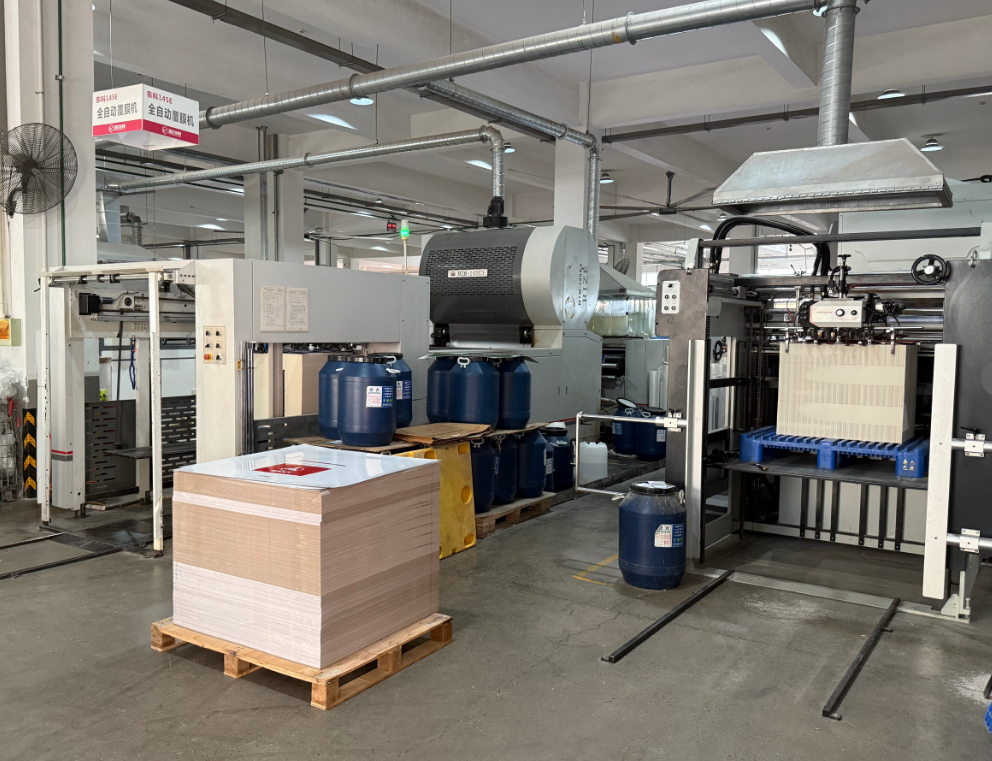
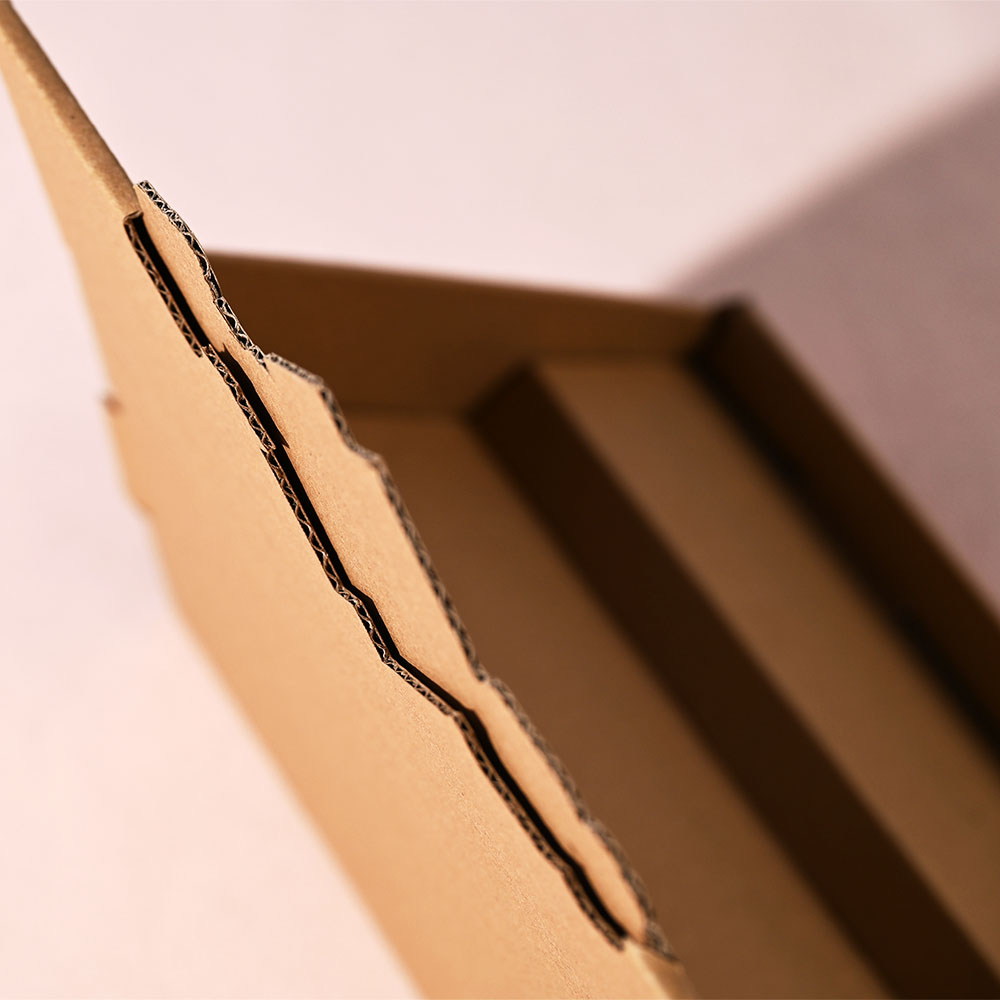
Structural optimization is equally important. A well-engineered carton can often achieve the required strength through smarter folding patterns, reinforced panels, or improved load distribution instead of relying on thicker materials. Efficient structural design allows manufacturers to reduce material thickness without sacrificing durability, helping lower both purchasing costs and package weight. Packaging layout optimization also contributes to material savings. During the printing and die-cutting process, the arrangement of carton designs on a sheet determines how much material is utilized. Efficient layouts maximize the number of cartons produced from each sheet while minimizing trim waste. Better material utilization means fewer raw materials are required to produce the same number of packages.

Standardization offers another opportunity to reduce purchasing costs. Companies that use multiple packaging sizes or structures often need to purchase a wide range of materials, increasing inventory complexity and limiting purchasing power. Standardizing packaging components where possible allows businesses to buy materials in larger quantities, negotiate better pricing with suppliers, and simplify inventory management. Reducing packaging waste during production also has a direct impact on material purchasing. Poorly designed packaging may create higher rejection rates due to folding issues, printing defects, or assembly problems. Every defective carton represents wasted material and additional replacement costs. Optimized packaging designs improve manufacturing consistency, reducing scrap and increasing overall material efficiency.
Working closely with packaging suppliers can uncover further cost-saving opportunities. Suppliers have extensive knowledge of material performance, converting processes, and production capabilities. They can identify areas where design adjustments, alternative materials, or improved manufacturing methods can reduce material consumption without affecting product quality or appearance. Early collaboration often leads to more practical and economical packaging solutions. Sustainability goals frequently align with packaging optimization. Using fewer raw materials not only lowers purchasing costs but also reduces environmental impact. Lightweight packaging consumes fewer resources, generates less production waste, and lowers transportation emissions due to reduced shipment weight. As more businesses prioritize sustainable operations, optimized packaging supports both financial and environmental objectives.
Ultimately, packaging optimization is about achieving greater efficiency rather than simply reducing costs. Through right-sized designs, intelligent material selection, optimized structures, efficient production layouts, and close supplier collaboration, businesses can significantly reduce material purchasing expenses while maintaining product protection and brand quality. Companies that invest in packaging optimization are better positioned to improve profitability, strengthen supply chain performance, and remain competitive in an increasingly cost-conscious market.