

How Packaging Optimization Helps Reduce Material Purchasing Costs
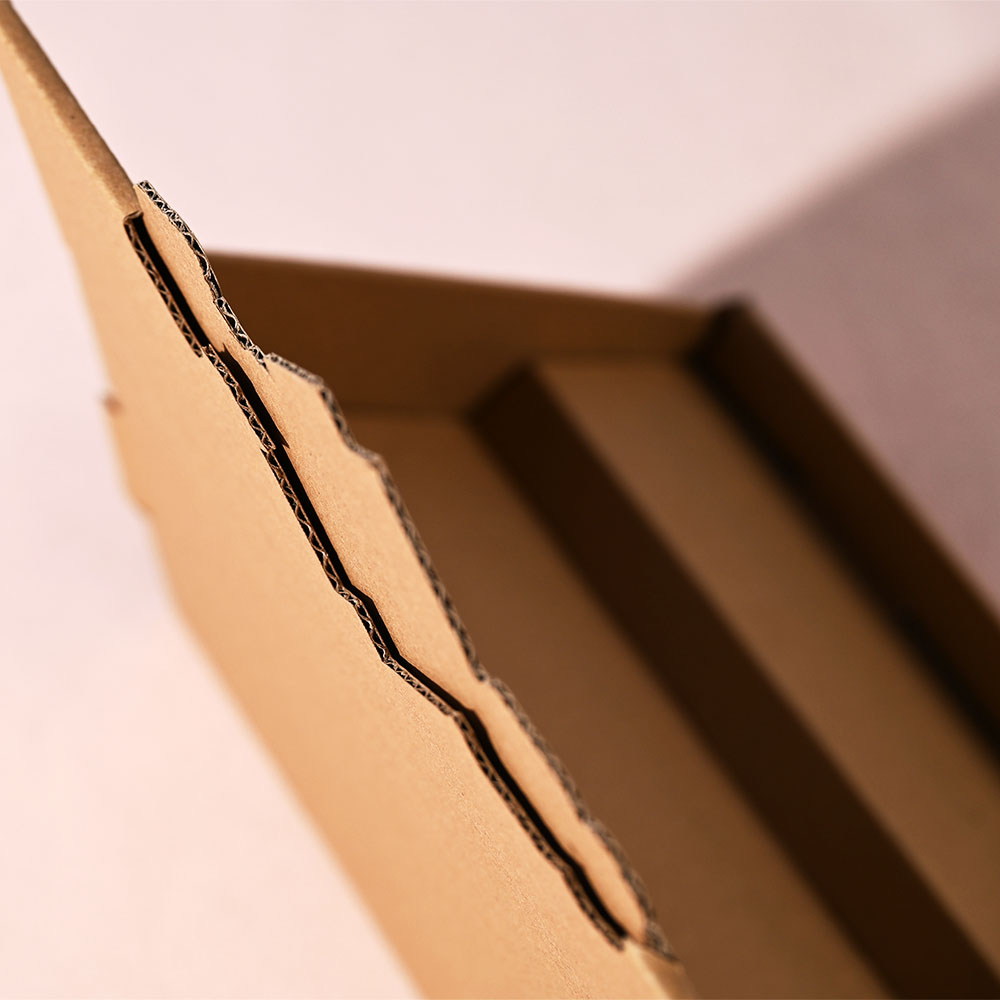
Packaging materials represent a significant portion of production expenses for many businesses, especially companies that manufacture products at large volumes. While reducing material costs may seem as simple as choosing cheaper packaging, this approach can often create problems related to product protection, quality, and brand image. Packaging optimization provides a more effective solution by improving material efficiency through better design, smarter material selection, and improved production planning. By optimizing packaging systems, companies can reduce purchasing costs while maintaining performance and quality standards. One of the main ways packaging optimization reduces material costs is by eliminating unnecessary material usage. Many packaging designs include extra space, oversized structures, or excessive layers that do not provide meaningful benefits. Through structural analysis and redesign, packaging engineers can reduce the amount of paperboard, corrugated material, or other components required for each package. Even small reductions in material usage can create significant savings when multiplied across thousands or millions of units.
Right-sizing is one of the most effective packaging optimization strategies. Packaging that is too large requires more raw materials and creates additional shipping costs due to increased volume. By designing packaging that closely matches the product dimensions, businesses can reduce material consumption while improving storage and transportation efficiency. A properly sized package provides sufficient protection without unnecessary space. Material selection also plays an important role in controlling purchasing expenses. Instead of automatically choosing thicker or higher-grade materials, companies can evaluate the actual performance requirements of their products. Packaging specialists can recommend alternative materials with suitable strength, durability, and printability at a lower cost. This ensures that businesses pay for the performance they need rather than features they do not require.
Optimized packaging structures can also improve material utilization during production. The layout of carton designs on printing sheets or corrugated boards directly affects how much raw material is converted into finished packaging. Efficient dieline arrangements reduce unused areas and minimize cutting waste, allowing manufacturers to produce more packages from the same amount of material. Reducing packaging variations is another way companies can lower material purchasing costs. Businesses with many product sizes or designs often need to manage multiple types of cartons, inserts, and packaging components. This increases purchasing complexity and inventory requirements. By developing standardized packaging systems where possible, companies can purchase materials in larger quantities, simplify inventory management, and achieve better supplier pricing.
Packaging optimization also helps reduce the hidden costs associated with poor material choices. Low-quality packaging materials may appear cheaper initially but can lead to higher expenses caused by product damage, returns, and replacements. Selecting optimized materials ensures that packaging remains cost-efficient throughout the supply chain rather than creating additional costs after production. Supplier collaboration is an important part of successful packaging optimization. Experienced packaging manufacturers can analyze current packaging designs and suggest improvements based on material performance, production methods, and cost considerations. Early involvement allows suppliers to identify opportunities for material reduction before designs become fixed and expensive changes are required.
Sustainability goals and cost reduction often work together through packaging optimization. Using fewer materials reduces purchasing expenses while also lowering environmental impact. Lightweight packaging requires fewer raw resources and can reduce transportation costs due to lower shipment weight. These improvements help companies achieve both economic and environmental benefits. Packaging optimization can also improve purchasing efficiency by making material demand more predictable. When packaging designs are standardized and material usage is optimized, companies can forecast requirements more accurately and reduce unexpected purchasing fluctuations. Better planning supports stronger supplier relationships and more stable production schedules.
Ultimately, packaging optimization helps reduce material purchasing costs by focusing on efficiency rather than simply reducing quality. Through right-sized designs, smarter material selection, improved layouts, standardized structures, and supplier cooperation, businesses can lower expenses while maintaining product protection and brand presentation. In competitive markets, optimized packaging provides a practical way for companies to control costs, improve sustainability, and achieve better long-term operational performance.