

Understanding the Relationship Between Carton Strength and Material Usage
Designing an effective folding carton is about achieving the right balance between protection and efficiency. Many people assume that stronger cartons simply require thicker or heavier materials, but that is not always the case. Modern packaging engineering focuses on maximizing strength while minimizing material usage. By understanding how carton structure, material selection, and manufacturing techniques work together, businesses can create packaging that protects products effectively without increasing unnecessary costs or waste. One of the biggest misconceptions in packaging is that heavier materials automatically produce stronger cartons. While thicker paperboard can improve strength in certain applications, excessive material often adds cost without delivering proportional performance improvements. A well-engineered carton made from the right material can outperform a heavier package with an inefficient design. The goal is not to use more material but to use it more effectively.
Material selection is one of the most important factors influencing carton strength. Different paperboard grades offer different characteristics, including stiffness, tensile strength, compression resistance, and folding performance. Selecting a material based on the product's weight, transportation conditions, and storage requirements ensures the carton provides adequate protection without unnecessary material consumption. Structural design often has an even greater impact than material thickness. Features such as reinforced corners, properly designed locking tabs, support panels, and optimized fold lines can significantly increase the strength of a carton. A well-designed structure distributes loads more evenly, allowing the package to withstand stacking pressure and handling stresses while using less material than a poorly designed alternative.
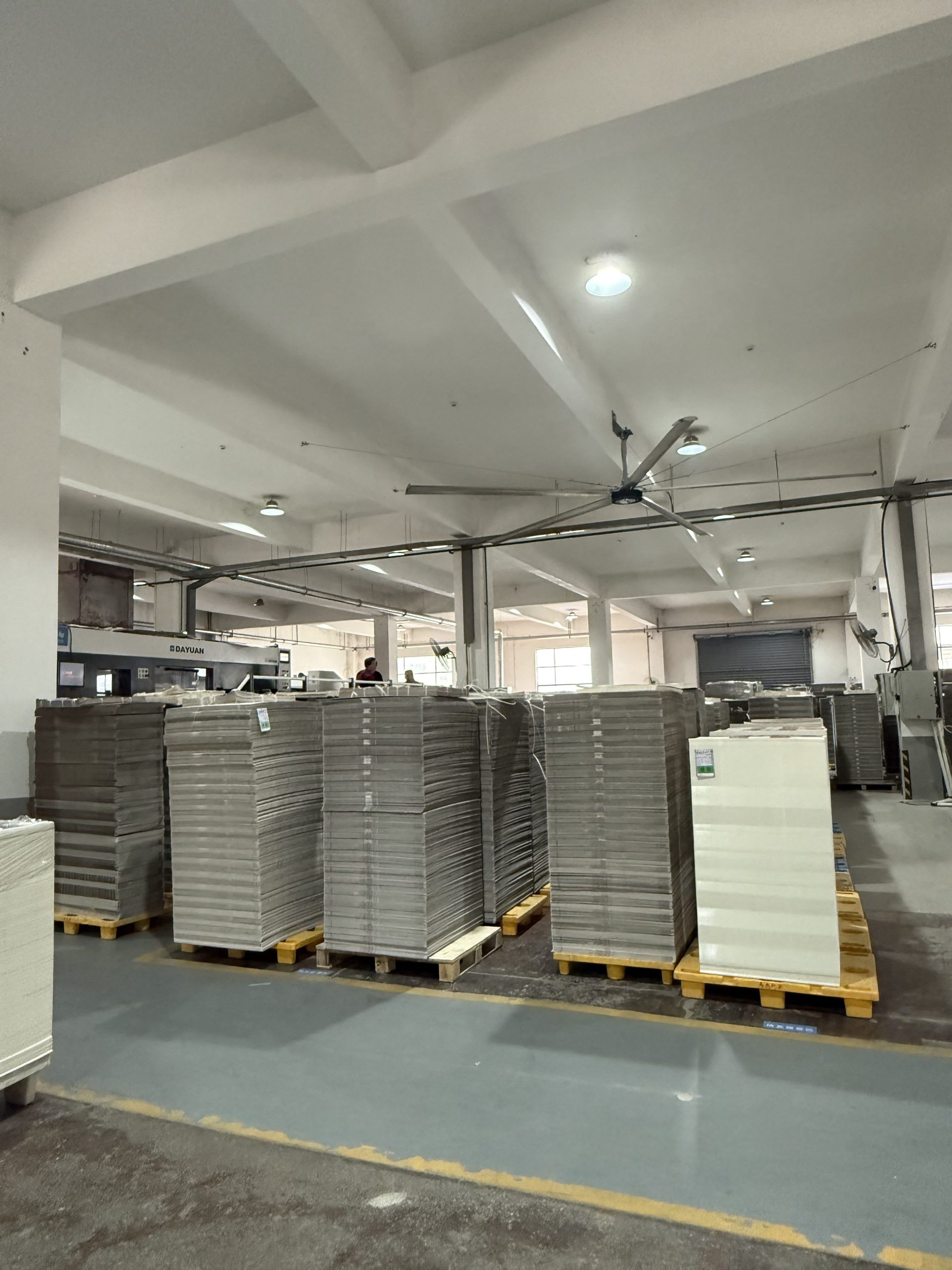
The size of the carton also affects its overall performance. Oversized cartons create unnecessary empty space, allowing products to shift during transportation and increasing the likelihood of damage. They also require more material than necessary. Designing a carton that closely matches the product dimensions improves structural stability, reduces material usage, and often eliminates the need for excessive protective fillers. Compression strength is particularly important for products stored and transported on pallets. During warehousing and shipping, cartons are stacked on top of one another for extended periods. If the carton lacks sufficient compression resistance, it may collapse under the weight of the load. Packaging engineers evaluate stacking requirements carefully to determine the minimum material specifications needed to maintain structural integrity throughout the supply chain.
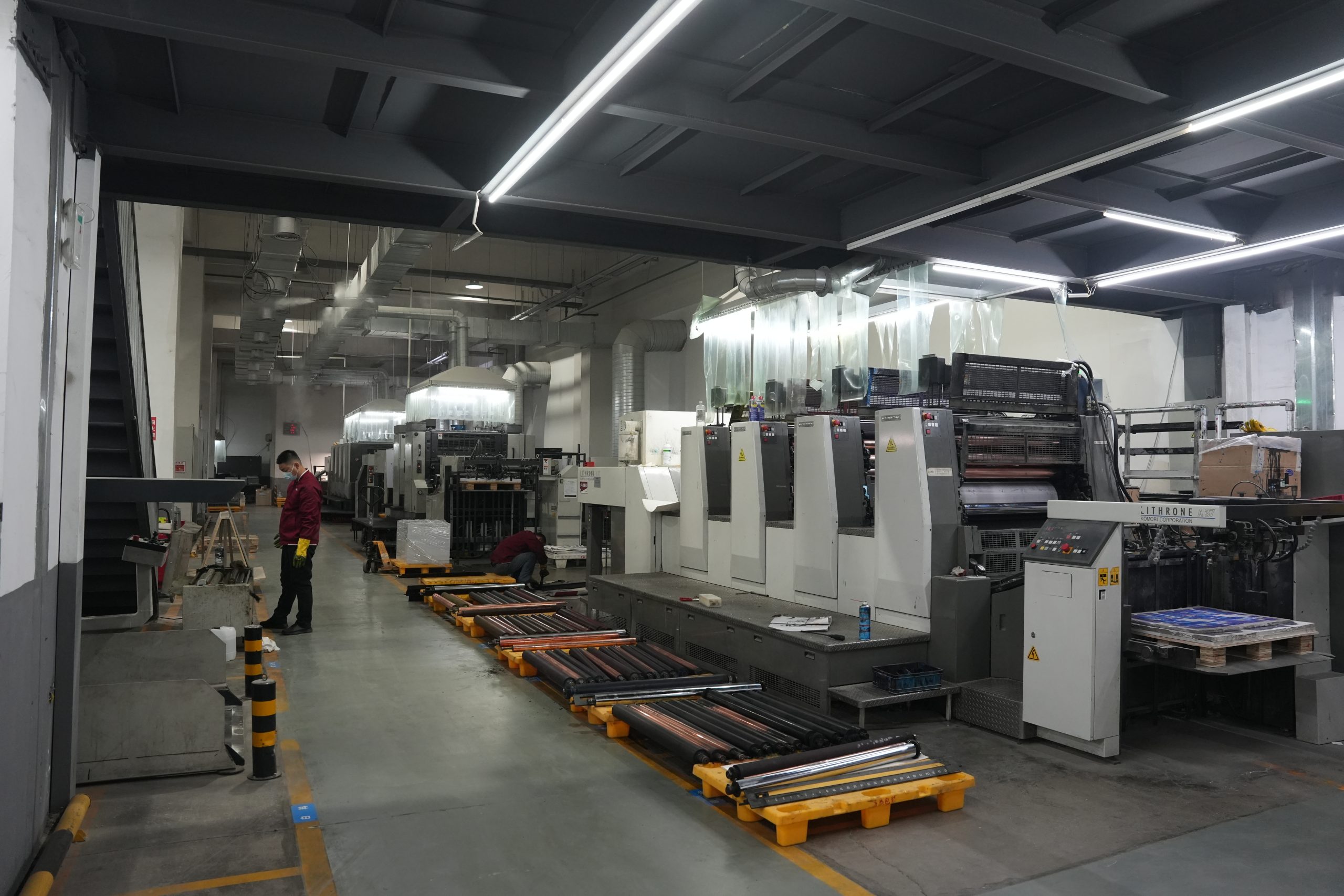
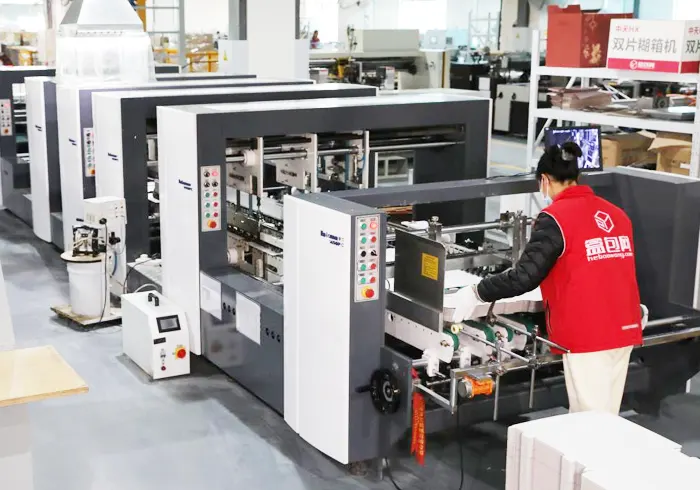
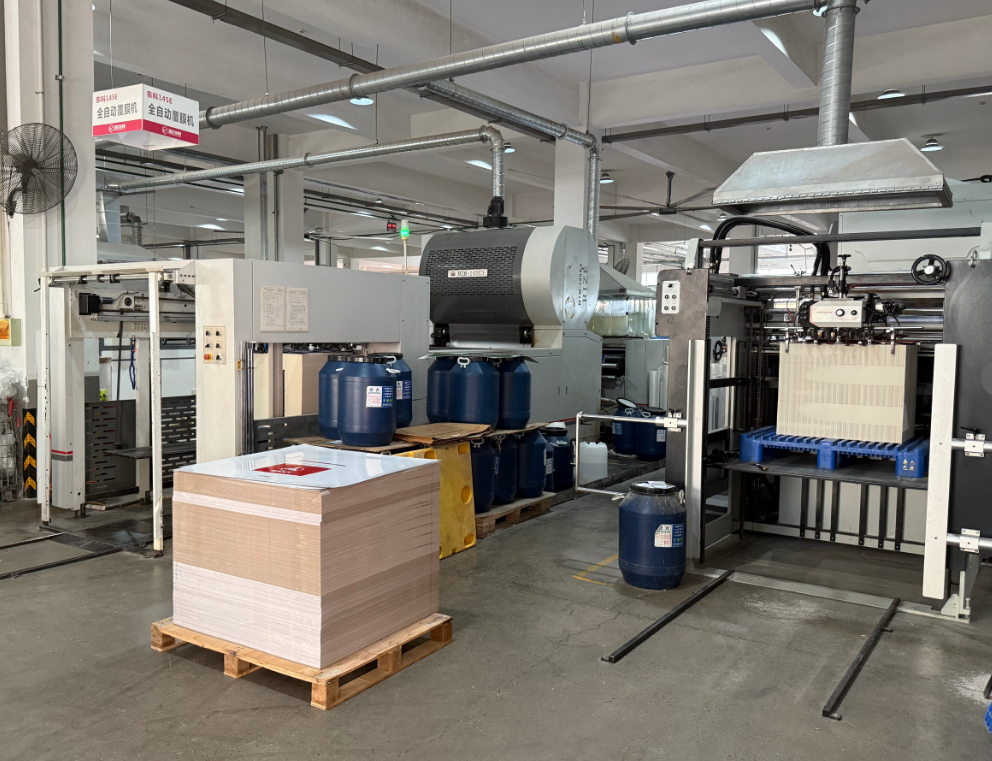
Manufacturing quality also influences carton strength. Precision die-cutting, accurate scoring, and consistent gluing ensure that cartons assemble correctly and maintain their designed performance. Even high-quality materials cannot deliver reliable strength if the carton is poorly manufactured. Consistent production processes help ensure that every package performs as intended. Modern packaging design increasingly uses testing to optimize the relationship between strength and material usage. Compression tests, drop tests, vibration tests, and transportation simulations allow manufacturers to evaluate carton performance under real-world conditions. Test results help identify opportunities to reduce material while maintaining the required level of protection, creating more efficient packaging solutions.
Sustainability is another reason why optimizing material usage is becoming increasingly important. Using only the material necessary to achieve required performance reduces paper consumption, lowers transportation weight, and minimizes production waste. This supports environmental objectives while also lowering manufacturing and shipping costs. Efficient packaging demonstrates that sustainability and product protection can work together rather than compete. Collaboration between brands and packaging manufacturers is essential when determining the right balance between carton strength and material usage. By understanding the product, distribution environment, and customer expectations, packaging engineers can recommend materials and structural designs that deliver reliable performance without unnecessary expense. Early collaboration often leads to more innovative and cost-effective packaging solutions.
Ultimately, the relationship between carton strength and material usage is about optimization rather than maximization. Strong packaging is achieved through intelligent material selection, efficient structural design, precise manufacturing, and thorough performance testing—not simply by adding more paperboard. Businesses that focus on this balanced approach can reduce costs, improve sustainability, protect their products more effectively, and deliver high-quality packaging that performs reliably throughout the entire supply chain.