

Why Food-Safe Printing Standards Matter for the F&B Industry
In the food and beverage industry, packaging plays a critical role that goes far beyond visual appeal. It is a key factor in ensuring product safety, regulatory compliance, and consumer trust. Food-safe printing standards are essential because packaging often comes into direct or indirect contact with consumable products. Any failure to meet these standards can compromise food quality, create health risks, and seriously damage a brand’s reputation. As consumer awareness and global regulations continue to increase, food-safe printing has become a non-negotiable requirement for responsible F&B brands. One of the primary reasons food-safe printing standards matter is the risk of contamination. Inks, coatings, adhesives, and substrates used in packaging can potentially migrate into food if they are not properly formulated or applied. This is especially critical for products such as baked goods, snacks, confectionery, and ready-to-eat meals, where packaging may touch the food directly or be exposed to heat, moisture, or oils. Food-safe printing materials are specifically designed to minimize chemical migration and prevent harmful substances from entering the food chain.
Regulatory compliance is another major driver behind food-safe printing practices. Governments and food safety authorities across the world enforce strict regulations regarding materials used in food packaging. Standards vary by region, but they commonly require the use of approved inks, low-migration materials, and controlled production environments. Brands that ignore or misunderstand these requirements risk shipment delays, product recalls, fines, or even bans from certain markets. Working with printers who understand international food packaging regulations helps brands navigate these complexities and operate confidently across borders. Food-safe printing standards also help preserve product quality. Packaging must protect food from external influences such as light, air, moisture, and odors, all of which can affect freshness, taste, and shelf life. Proper coatings and barrier materials, combined with controlled printing processes, ensure that packaging maintains its protective properties without introducing unwanted smells or flavors. This consistency is especially important for premium food and beverage products where sensory quality defines customer satisfaction.
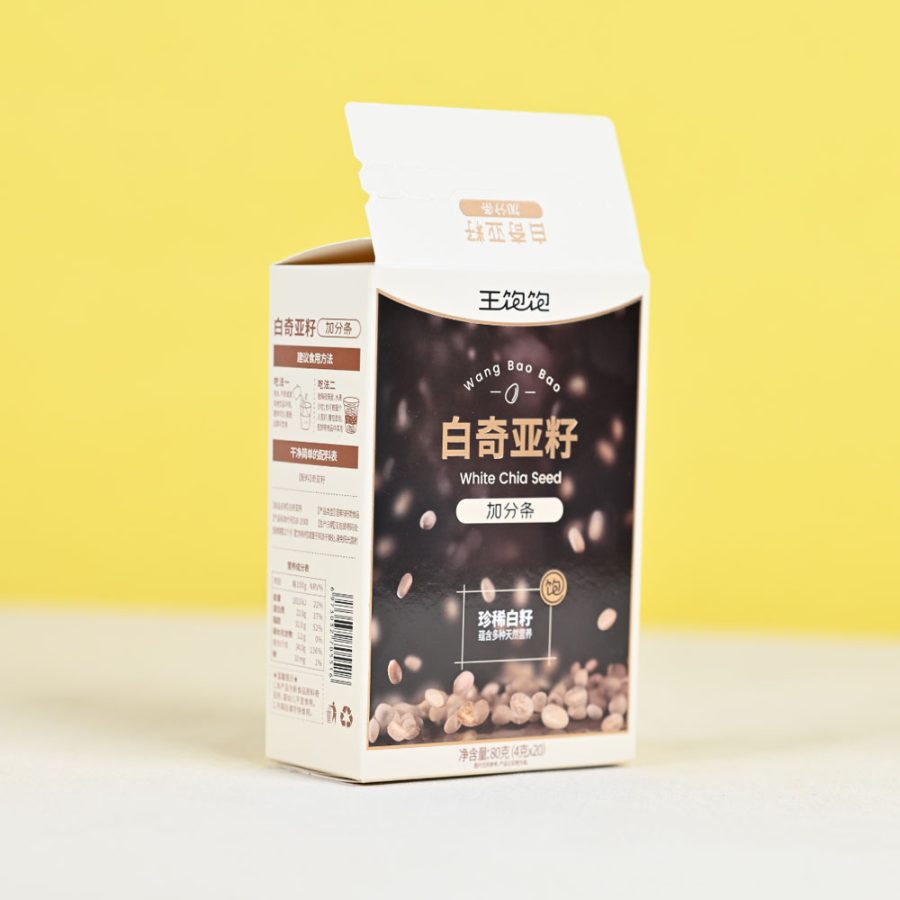
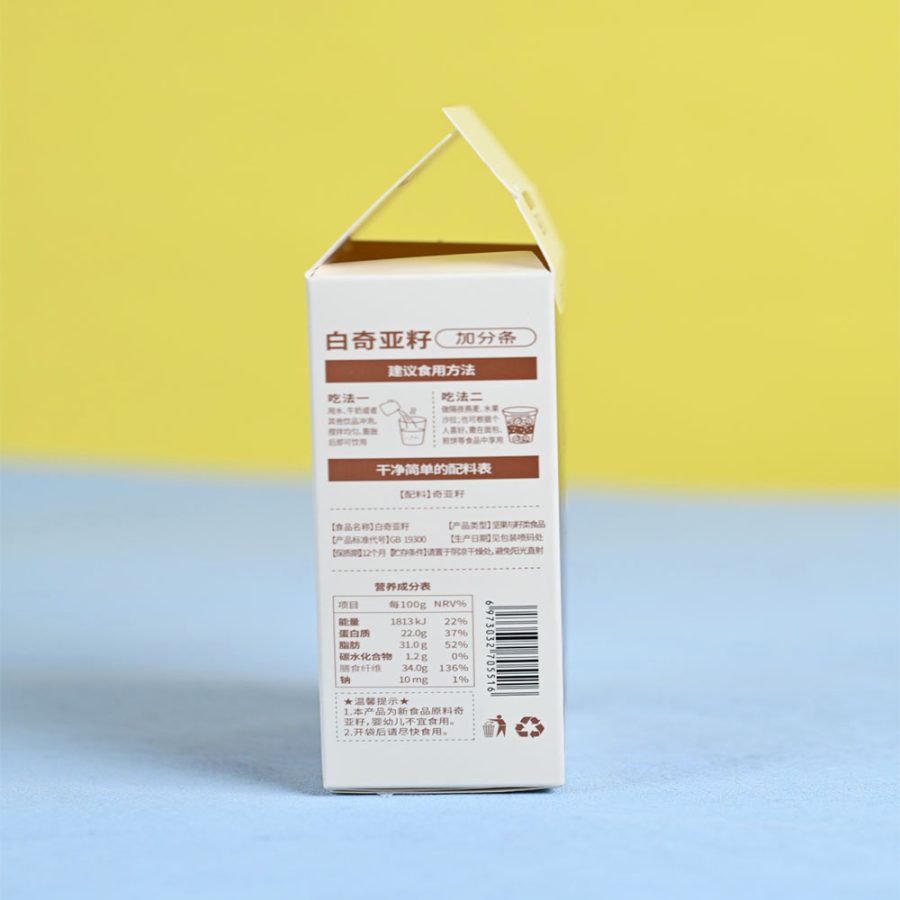
Consumer trust is directly linked to packaging safety. Today’s customers are more informed and cautious about what they consume. They expect brands to be transparent, responsible, and compliant with recognized safety standards. Clean printing, clear labeling, and professional packaging signal that a brand takes food safety seriously. Any visible defects, strange odors, or unclear information on packaging can raise doubts and discourage purchase. Food-safe printing reassures consumers that the brand values their health and wellbeing. Sustainability and food safety increasingly go hand in hand. Many food-safe inks and coatings today are developed to meet both environmental and health requirements. Water-based inks, low-VOC materials, and recyclable coatings help brands reduce environmental impact while maintaining safety. This dual focus supports modern F&B brands that aim to meet regulatory demands and consumer expectations at the same time.
Consistency in production is another key benefit of adhering to food-safe printing standards. Standardized processes, strict quality control, and documented material sourcing ensure that every packaging batch meets the same safety criteria. This reduces the risk of variation and unexpected issues during mass production. For food brands operating at scale, consistency is essential to maintaining safety, quality, and brand reliability across multiple markets and distribution channels. Ultimately, food-safe printing standards protect everyone involved—from manufacturers and retailers to consumers. They safeguard public health, support regulatory compliance, preserve product integrity, and strengthen brand credibility. In an industry where trust is everything, food-safe printing is not simply a technical requirement; it is a fundamental part of delivering safe, high-quality food products to the market.