

Why Packaging Projects Need More Than Just Attractive Artwork
In many packaging projects, the first focus is often placed on visual design. Brands want packaging that catches attention, communicates their identity, and stands out from competitors on store shelves. While attractive artwork is important, successful packaging requires much more than impressive graphics. A package must also perform well during manufacturing, transportation, storage, retail display, and customer use. Without considering these practical factors, even the most visually appealing packaging design can create unexpected problems. One of the biggest mistakes brands make is treating packaging as only a marketing tool. Packaging certainly plays an important role in branding, but it also serves functional purposes such as protecting products, supporting logistics, and improving operational efficiency. A beautiful design that cannot withstand shipping conditions or cannot be produced efficiently may create higher costs and customer dissatisfaction.
Structural performance is one of the most important elements beyond artwork. The shape, size, folding method, and reinforcement features of a package determine how well it protects the product. A carton must be designed according to product weight, fragility, stacking requirements, and transportation conditions. Without proper structural engineering, packaging may collapse, deform, or fail during distribution. Material selection is another factor that cannot be ignored. Different products require different packaging materials based on strength, appearance, durability, and environmental conditions. A premium printed design placed on unsuitable material may not deliver the expected result. For example, a package with excellent graphics but insufficient board strength may damage easily during shipping, affecting both product quality and brand reputation.
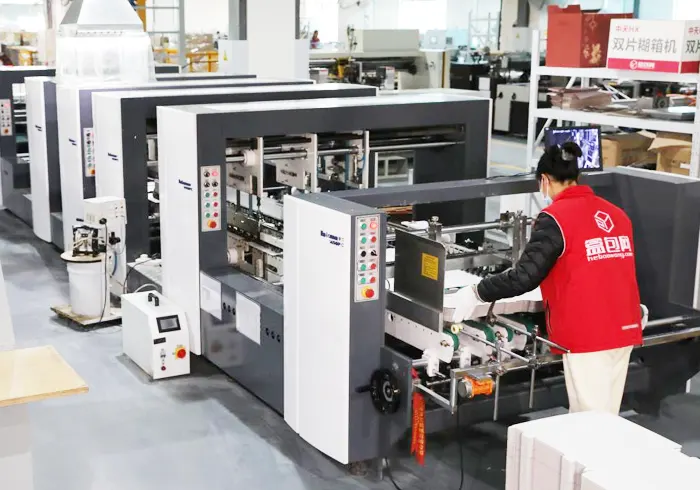
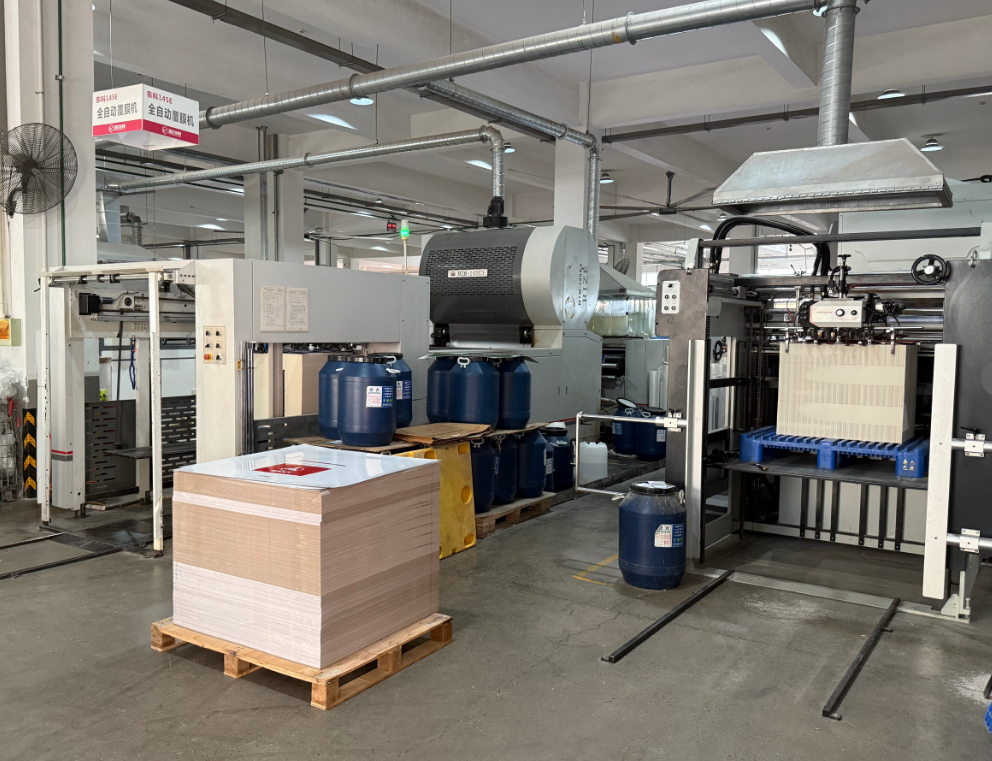
Manufacturing feasibility also plays a critical role. Some packaging concepts look impressive during the design stage but are difficult or expensive to produce on a large scale. Complex structures, excessive finishing effects, or extremely detailed artwork may increase production time, create higher defect rates, or require additional processing steps. Collaboration between designers and packaging manufacturers helps ensure that creative ideas can be translated into efficient production. Printing quality depends on more than just artwork files. Proper color management, material compatibility, printing technology selection, and finishing processes all influence the final appearance. A design may look perfect on a computer screen but appear different when printed on actual packaging materials. Experienced packaging suppliers help optimize artwork for real production conditions.
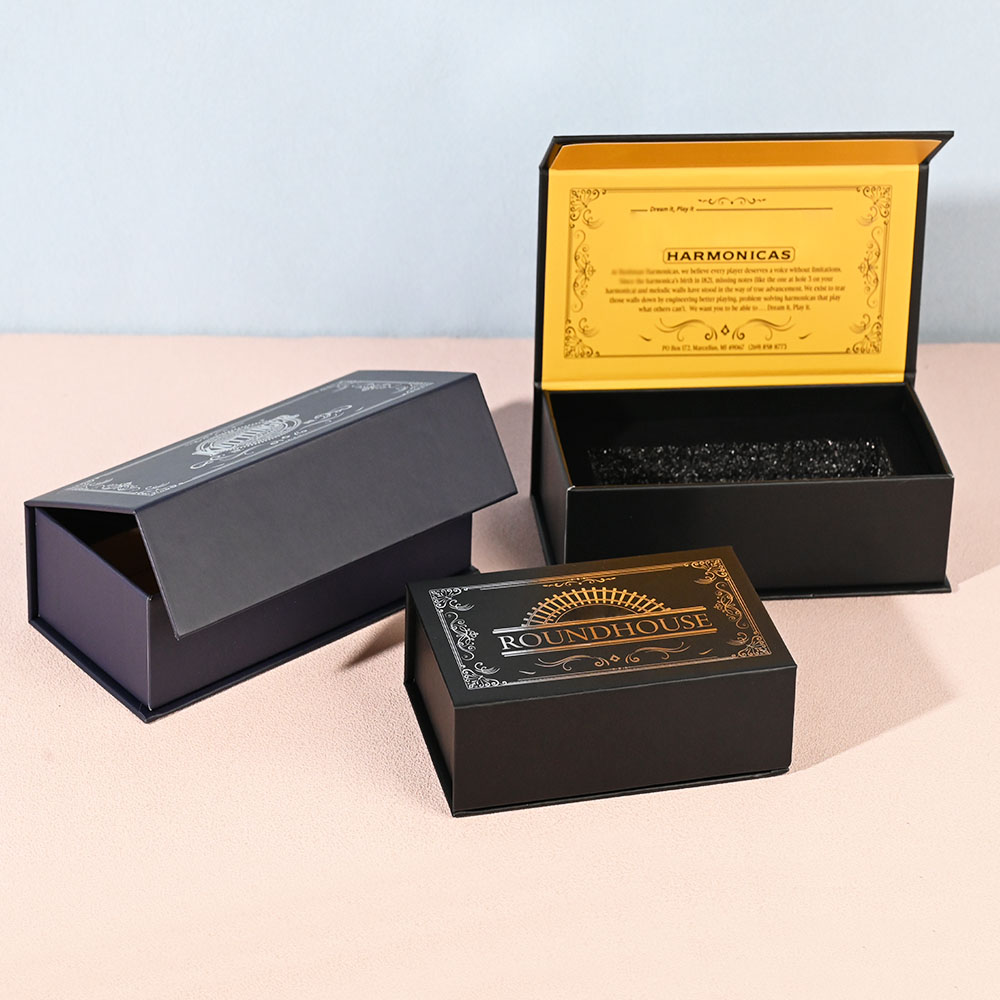
Packaging should also consider the complete supply chain. Products often travel through multiple stages, including factories, warehouses, transportation networks, and retail environments. Packaging must maintain its appearance and protective function throughout this journey. A package that looks attractive when leaving the factory but arrives damaged at the customer's door can negatively impact the brand experience. Efficiency is another important consideration. Packaging design affects how quickly products can be packed, stored, and shipped. Poorly designed cartons may require more labor, slow down production lines, or occupy unnecessary warehouse space. Practical packaging solutions improve operational performance while reducing long-term business costs.
Sustainability has also become an essential part of packaging development. Attractive packaging should not rely on excessive materials or unnecessary decorative elements. Brands increasingly need solutions that balance visual appeal with recyclable materials, reduced waste, and efficient transportation. Good packaging design considers environmental impact from the beginning rather than adding sustainability features later. Customer experience is another area where packaging must go beyond appearance. Consumers interact with packaging through opening, handling, storage, and disposal. Easy-to-open structures, clear information, and functional designs can significantly improve satisfaction. A package should not only attract customers but also provide convenience after purchase.
The most successful packaging projects come from collaboration between brand teams, designers, and packaging manufacturers. Designers bring creativity and brand understanding, while manufacturers provide knowledge about materials, production processes, and quality control. Combining these perspectives creates packaging that is visually appealing, technically reliable, and commercially practical. Ultimately, attractive artwork is only one part of successful packaging development. Effective packaging requires a balance between design, structure, material selection, manufacturing efficiency, logistics performance, and customer experience. Brands that consider these factors from the beginning can create packaging that not only looks impressive but also delivers real value throughout the entire product lifecycle.