

Why Small Changes in Carton Dimensions Can Affect Production
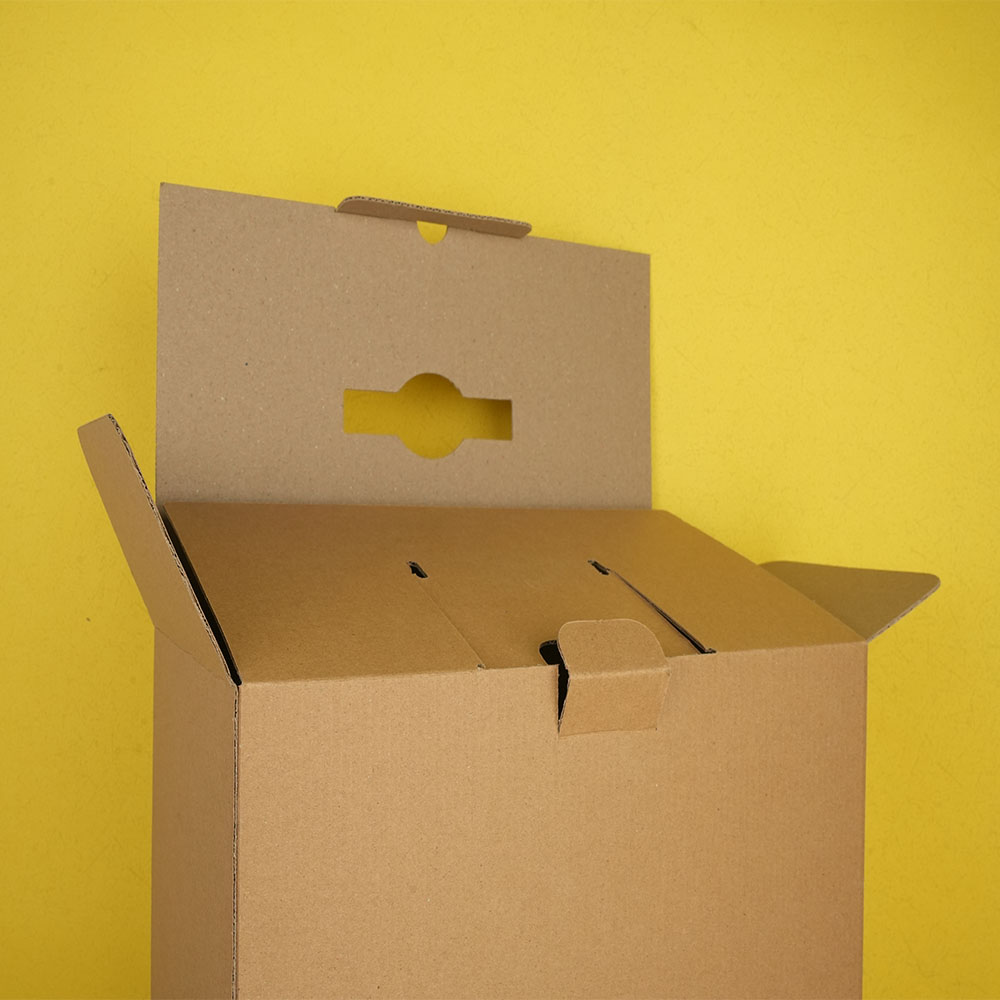
A carton may only be a few millimeters different from the original specification, but that does not mean the change is insignificant. In packaging production, dimensions are connected to folding lines, glue flaps, printing layouts, die-cutting, product fit, and packing operations. A small adjustment in one panel can therefore create changes in several other parts of the carton. One of the first effects appears in the dieline. A folding carton is made up of multiple panels that have to work together when the flat sheet is cut and folded. If the width of one panel changes, the position of nearby folding lines, side flaps, and glue areas may also need to change. Simply stretching one part of the artwork without adjusting the structural drawing can lead to an inaccurate finished carton.
The product itself is another reason dimensions matter. Packaging is normally designed around a specific product size, but products can have tolerances of their own. A carton that fits perfectly around one batch may become too tight if the product dimensions increase slightly. On the other hand, excessive internal space can allow the product to move during transportation. Both situations can affect packing efficiency and product protection. Small dimensional changes can also influence folding performance. Folding cartons rely on accurately positioned creases and cut lines. When panel proportions change, the carton may no longer fold at exactly the same sequence or angle as before. This can result in panels overlapping incorrectly, corners becoming uneven, or the finished carton failing to sit squarely.
Glue areas are particularly sensitive. A glue flap that becomes slightly narrower may provide less bonding area, while a larger flap can interfere with another panel during folding. In high-volume production, such a difference can turn into a recurring issue rather than an isolated problem. The carton may still be usable, but the production line may need adjustments to maintain stable operation. Changes in dimensions can affect printing layouts as well. When the size or position of panels changes, logos, product information, barcodes, images, and decorative elements may need to be repositioned. If the structural change is made after artwork has already been prepared, there is a greater possibility of important information becoming too close to a crease or cutting edge.
Material consumption can change too. Increasing the size of a carton does not always mean simply adding a small amount of paperboard. Depending on the dieline arrangement, the revised carton may require a different sheet layout. More material may be needed, or the number of cartons that can be placed on a printing sheet may change. This can influence both material usage and production efficiency. The effect becomes even more noticeable when cartons are produced in large quantities. A difference that appears minor when looking at one box can become significant when multiplied across tens or hundreds of thousands of units. It may increase material consumption, require additional setup work, or create more production waste.
Carton dimensions can also influence packing and transportation. A slightly larger carton may change how many finished boxes fit into a shipping case or onto a pallet. The result can be unused space, a different stacking arrangement, or a change in the number of products transported per shipment. For brands shipping large volumes, these differences can have practical consequences beyond the printing factory. Automation is another consideration. Cartons used with automatic filling, folding, or packing equipment often need to stay within specific dimensional tolerances. A change that causes the carton to enter a machine differently can affect feeding, opening, folding, or closing. This is why packaging dimensions should be considered together with the equipment that will handle the finished carton.
Changes in dimensions can also require new tooling. If the modification affects the cutting pattern or crease positions, the existing die may no longer be suitable. Even when a change appears visually small, the manufacturer needs to determine whether the current tooling can accommodate it or whether a revised die is necessary. For this reason, carton dimensions should be treated as part of the complete packaging structure rather than as isolated numbers. Length, width, height, panel proportions, flap sizes, crease positions, glue areas, artwork placement, and material specifications all interact with one another.
Before approving a dimensional change, packaging buyers should ask the manufacturer to review the complete dieline and assess its effect on production. A quick structural check can identify whether the change requires new artwork, tooling, material calculations, or machine adjustments. In packaging manufacturing, precision is not only about producing a carton to a particular measurement. It is about making sure that every measurement works with the rest of the structure. Even a small dimensional change can affect how a carton is printed, cut, folded, glued, packed, stored, and transported. Checking those effects before production begins is often much easier than correcting them after thousands of cartons have already been produced.