

Smart Ways to Reduce Packaging Weight Without Losing Strength
In today’s competitive and environmentally conscious market, reducing packaging weight has become both a cost-saving strategy and a sustainability priority. However, lowering material usage must never compromise structural strength or product protection. The challenge lies in finding smart design and engineering solutions that maintain durability while optimizing efficiency. One of the most effective strategies is structural optimization. Instead of simply reducing material thickness, engineers redesign the box structure to distribute weight and pressure more efficiently. Reinforced corners, interlocking flaps, and strategically placed folds can significantly improve compression strength. A well-designed folding carton or corrugated box often performs better than a heavier but poorly structured alternative.
Material innovation also plays a critical role. Modern high-performance paperboards and corrugated materials are engineered to provide greater strength-to-weight ratios. By using advanced fiber compositions and improved fluting profiles, manufacturers can reduce board thickness while maintaining stacking strength and impact resistance. This approach lowers shipping weight without sacrificing protection. Right-sizing packaging is another essential method. Oversized boxes waste material and increase dimensional shipping costs. By customizing packaging dimensions to fit products precisely, brands can eliminate empty space and reduce the need for excessive fillers. Precision die-cutting and accurate measurement during the design phase ensure that packaging hugs the product securely.
Intelligent corrugation design offers further opportunities. Adjusting flute types—such as switching from larger to micro-flute profiles—can reduce material use while preserving rigidity. Combining different flute layers in double-wall constructions can also create lighter yet stronger solutions tailored to specific shipping requirements. Advanced simulation and testing technologies have transformed packaging development. Compression tests, drop tests, and digital modeling allow designers to analyze stress points before mass production. By identifying areas where material can be reduced without weakening performance, companies can confidently optimize packaging weight while maintaining safety standards.
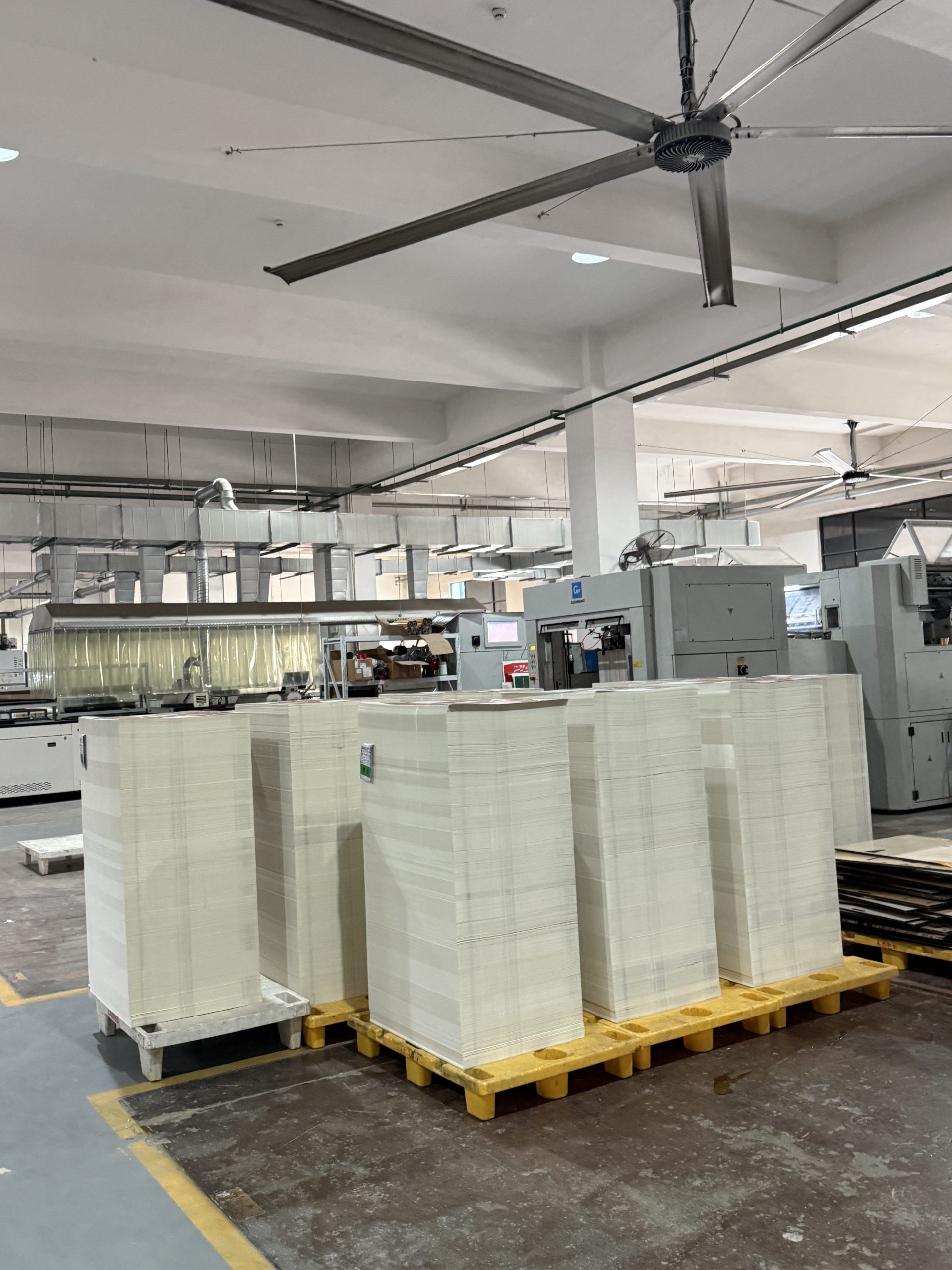
Improving print and finishing efficiency also contributes indirectly. When printing alignment is precise and cutting accuracy is high, material waste during production decreases. Consistent quality control ensures fewer rejected units, reducing overall raw material consumption and supporting sustainability goals. Lightweight packaging offers significant logistical advantages. Lower weight reduces transportation fuel consumption, leading to cost savings and a smaller carbon footprint. For e-commerce brands, lighter parcels also decrease shipping fees while improving handling efficiency throughout the supply chain.
Sustainability considerations further drive innovation in lightweight packaging. Many brands are adopting recyclable, FSC-certified, or responsibly sourced paper materials that are engineered for performance. By combining smart design with eco-conscious materials, companies achieve both environmental and commercial benefits. Collaboration between packaging designers, engineers, and printing specialists is essential. A holistic approach ensures that graphic layout, structural design, and material selection work together seamlessly. Sometimes minor adjustments—such as reducing unnecessary layers, optimizing internal inserts, or modifying closure systems—can deliver significant weight reductions.
Ultimately, reducing packaging weight without losing strength is not about cutting corners; it is about smarter engineering. Through structural innovation, material advancements, precision manufacturing, and data-driven testing, brands can achieve durable, lightweight packaging that protects products, lowers costs, and supports sustainability. The result is a solution that balances efficiency with performance, meeting the demands of modern markets while building long-term value.